Curried Potato Stew

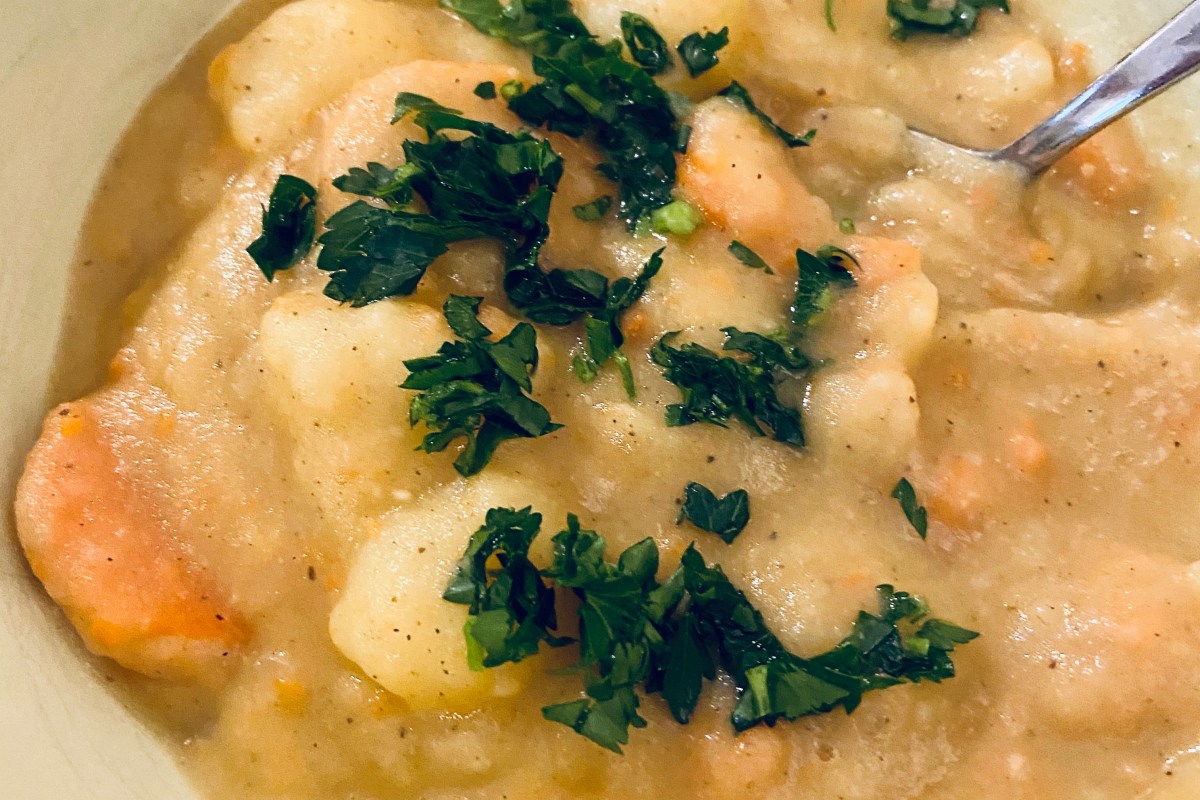
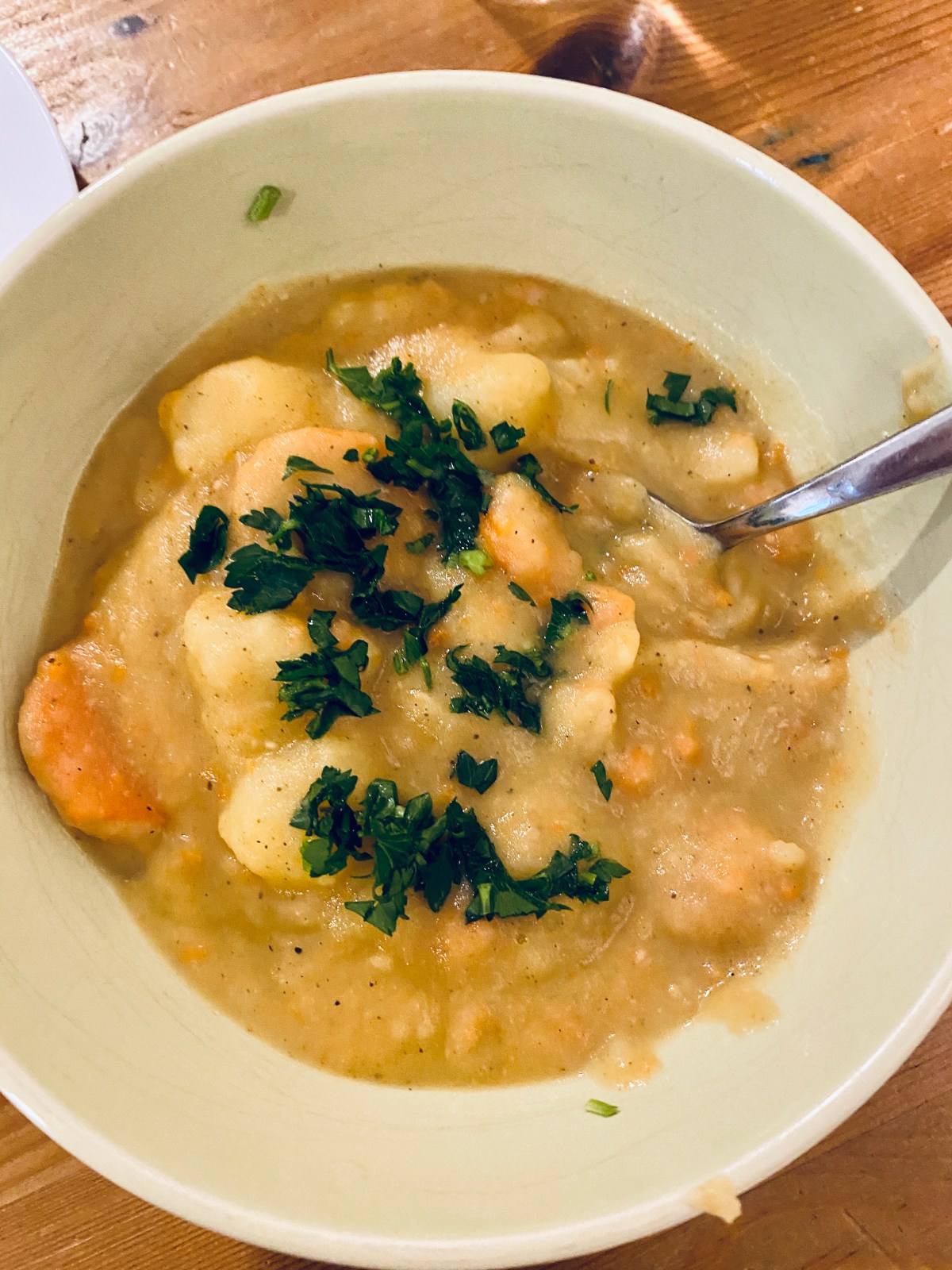
Curried Potato Stew
Curried Potato Stew, via Eat the Vegan Rainbow

This is it, I suppose! At this time of social distancing (and, yes, there is a pandemic going on and yes, if you are not social distancing as much as you can and making light of all this you are in self-denial; and yes, if you think that COVID-19 cases will magically disappear by Easter you are in double self-denial) it is time to get creative with things you may have in your pantry and things you may be able to get from your grocery store.

So, for the next few months what you’ll get here are recipes that are super simple, mostly one pot, and include ingredients like rice, beans, potatoes, carrots, corn, onions… We are back to basics here, like this Italian cuisine inspired Rice and Beans I shared last week!

I will also keep thing brief and to the point. More cooking, less talking! So, here we go: this week I am sharing a wonderful dish that is really all about potatoes. All you need is some onion, garlic, carrots, potatoes and coconut milk or cream. And if you don’t have coconut milk on hand, your can use coconut oil, or a bit of butter (vegan, if you are vegan, or any other kind if you are not – I am totally non-judgmental of people and their food choices and I hope all can just enjoy the meal) and some milk or cream (again: which kind is up to you). The main point of adding coconut milk is to create a rich stew that’s smooth, silky and dense – something that will fill you up and provide some good old comfort in a bowl.

What makes this dish pop are spices! In this case we will be using curry powder and garam masala, two spices I recommend having on hand at all times! (I’m fresh out of curry powder, so that may be a spot of bother to be honest). If you don’t have these, you may want to add a bit of cumin powder and a bit of paprika, or just a bit of nutmeg, a hint of cinnamon, or a dash of allspice. Any combination of these may work depending on your individual preferences, so if you are improvising the best advice I can give you is to follow your nose!

Lastly, I recommend using a heavy pot for this. My go-to is a Dutch oven, but any heavy pot will do. Take care, eat well, pamper yourself and stay well!

Curried Potato Stew

What you’ll need:

  • 4-5 large potatoes (I prefer Russet, but any more starchy variety will do), washed, peeled and cut into 1 inch (2.5 cm) cubes
  • 4 large carrots, washed and sliced into carrots rings (if you have a 8+ year old kid who needs something to do during this period of no school they can help chop potatoes and carrots)
  • 1 yellow onion, diced
  • 3-4 cloves garlic, minced
  • 1 13.5 – 14 oz (about 400 ml) can coconut milk or cream (alternatively, 1 cup of cream, or 1 cup of milk plus 2 tablespoons of butter will work)
  • 1 tablespoon curry powder
  • 2 teaspoons garam masala powder
  • water – enough to deglaze the pan (see step one below) and cover your vegetables (step 3)
  • optional toppings – freshly chopped cilantro or parsley, freshly squeezed lemon or lime juice (or if lemons or limes are not within an easy reach you may want to add a small amount of clear vinegar (red wine, apple cider, white or rice will all work here, not sure about balsamic), and a drop or two of hot sauce

What you’ll do:

  1. Place your heavy pot over the high heat and add your onions, carrots and garlic to the pot. You may use some oil if you are using, but you don’t really need to. You will be adding lots of fat later (with all that coconut milk/cream or milk/cream/butter alternatives). Stir frequently to prevent veggies from sticking to the bottom of the pan. Add some water (in 1/4 cup increments or so) to deglaze the bottom from time to time. Brown the vegetables for about 5 minutes.
  2. Add the potatoes, coconut milk (or alternatives) and spices. Mix well and let cook like this with frequent stirring for 2-3 minutes.
  3. Add enough water to cover the vegetables well, bring to boil, then lower the heat to a simmer, cover with a lid and let simmer for 20-30 minutes until all the vegetables are cooked through. The exact time will depend on how finely you’ve chopped your vegetables!
  4. Once the veggies are cooked, use a stick blender to blend approximately half of the pot into a smooth, silky mix (you can also use a blender to do this, or even your potato masher).
  5. Serve hot in a bowl, topped with any, all or none of the topping listed above. Enjoy!
COPYRIGHT © EAT THE VEGAN RAINBOW, 2020

 

Italian Rice and Beans – Riso e Fagioli (Oil Free)

Italian Rice and Beans
Italian Rice and Beans, via Eat the Vegan Rainbow

Here where I live, and I imagine where you live too, schools have been closing, events are being cancelled, and most people are advised to work from home and stay away from large gatherings (where I work, we are down to less than 25 people). It’s called social distancing and it is one of the strategies that can help reduce the impact of COVID-19.

In these times of uncertainty and anxiety many will turn to comfort food (I’ve already seen posts about people getting into their Nutella reserves!). And: many will turn to their pantry for the ingredients. So, this recipe is made for such a day, when you want to make something really comforting and filling with things you likely already have on hand: rice and beans.

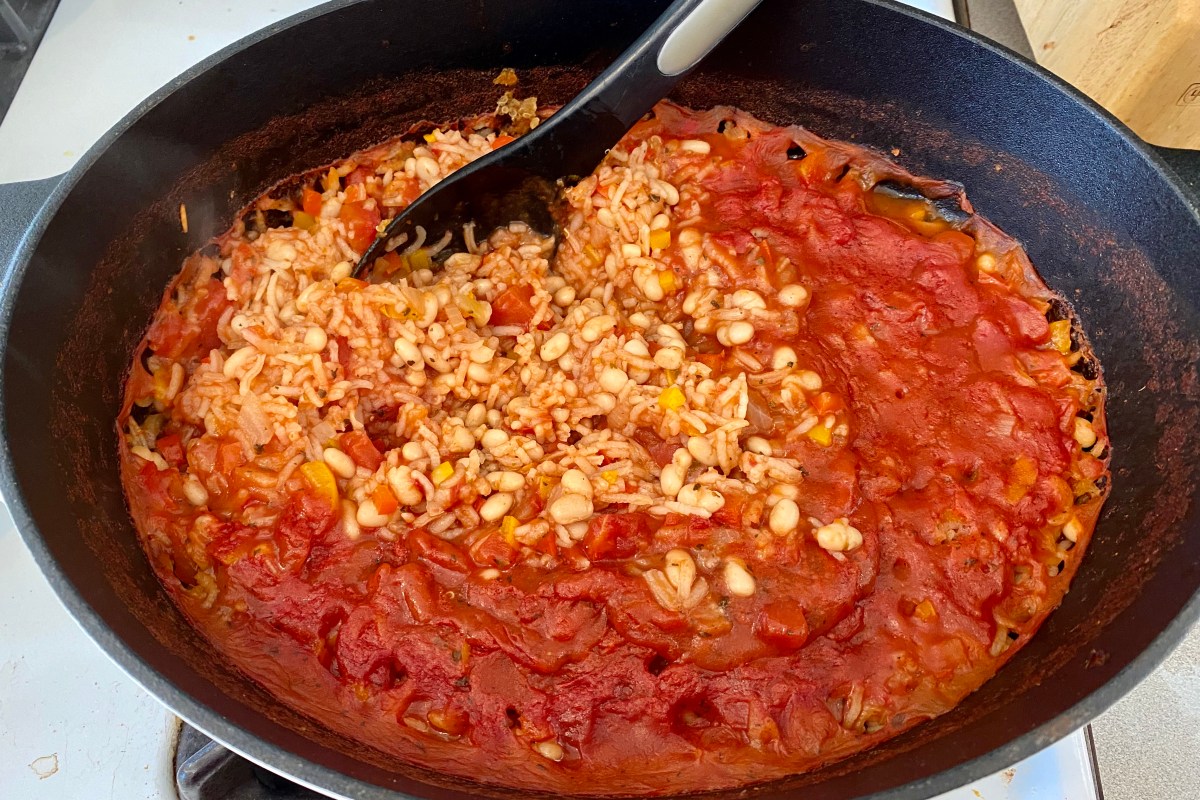
The recipe here was inspired by an old Italian favorite called Pasta e Fagioli – a pasta and bean soup/stew that is absolutely delicious. This time around I wanted to replace pasta with rice, and see where we end up. Where things ended up was a really rich, and dense stew/casserole dish, with a lot of rich flavors working in harmony!

I took one shortcut to make putting everything together easier and used canned white beans, also known as cannellini beans. Beans are a great source of plant protein and I always have a good supply of canned beans in my pantry. White (cannellini) beans are a fantastic basic bean, and I use them in many different ways, for example in burgers, pasta sauces, or soups. I also used them to make a marvelous mushroom pâté!

If you have dry beans, please remember to soak them overnight before cooking. I recommend that you cook beans first before using them in this stew. The amount of dry beans you need for this recipe is about 1 to 1 1/2 cup, however I recommend that you soak and cook a full batch (in my house that’s usually 1 lbs (about 500 g)), and use the leftover beans for something else, perhaps one of the recipes I listed above. This will save you some time and help with meal prep and batch cooking.

The dish itself is one-pot – all the ingredients go into a single pot, and the lovely meal comes out. Please note that the pot needs to be oven safe, as you will move the dish from the stove top into the oven. I recommend using a Dutch oven or another heavy and sturdy type of pot. If you don’t have such a thing, you can transfer your stew into an oven safe dish and proceed from there. Please note that the food will be very hot, and you  can burn yourself badly if you are not careful!!!

Finally, you have options when it comes to rice. To keep things authentic, you may want to choose a short grain rice, like Arborio, as this will give you a creamier texture. However, you don’t need to lose any sleep over the rice choice here and use whatever you have on hand. As you can tell from my pictures, I used a very long grain rice known as Basmati rice, which is the staple I have in my pantry.

Note: When combined with rice, beans make a complete protein (meaning includes all the essential amino acids that we need), just in case you were wondering. In general, if you eat a varied plant-based diet, you really don’t need to stress over whether you are getting enough protein and whether it is complete, because the quick answer to this is: Yes, you are! Plants have plenty of protein, and people eating fruits, vegetables, nuts, legumes, and whole grains are all set.

Italian Rice and Beans – Riso e Fagioli (Oil Free)

What you’ll need:

  • 1 cup rice, washed and rinsed
  • 1/2 yellow onion, diced
  • 1 sweet pepper, diced (any color or type provided it’s not hot; you can also used frozen)
  • 2/3 cup tomato paste
  • 1 14.5 oz (400 g) can diced tomatoes
  • 2 15.5 oz (440 g) can white (cannellini) beans, drained and rinsed
  • 2 teaspoons dried basil
  • 1 teaspoon dried oregano
  • 2 cups water (or vegetable stock if you prefer)
  • Optional toppings: fresh basil, and/or vegan parmesan, and/or nutritional yeast.

What you’ll do:

  1. Preheat the oven to 400 F (200 C).
  2. Place the Dutch oven over medium high heat. Add the diced onions and dry sauté until soft and slightly browned. You may need to add some water to prevent onions from sticking to the bottom of the pot and burning. Keep stirring! (Note: If you are OK with using oil in your cooking, you can sauté the onion in some olive oil – 1 tablespoon should be sufficient).
  3. Add the diced peppers, and continue sautéing for another 5 minutes, with frequent stirring, until peppers soften.
  4. Once the peppers are softened, add the tomato paste and mix well. Let the tomato paste bloom for 1-2 minutes with frequent stirring.
  5. Add the rice, beans, herbs, water, and diced tomatoes. Stir well and let come to boil, then transfer into the oven and leave in there for 30 minutes.
  6. Take rice and beans out of the oven and enjoy! I recommend topping each plate with some fresh basil, and if you are not entirely oil-free with a drizzle of good olive oil and/or some parmesan (vegan, for those who are vegan or regular if you are a vegetarian or transitioning to plant-based diet), or some nutritional yeast (that’s my guilt-free favorite!!!). A simple side salad will complete this nicely, but if you are out of fresh produce due to social distancing, a pickle may work just as well!
COPYRIGHT © EAT THE VEGAN RAINBOW, 2020

Dark Chocolate Donuts – oil-free, gluten-free, and vegan

Dark Chocolate Donuts - Vegan, Gluten-Free
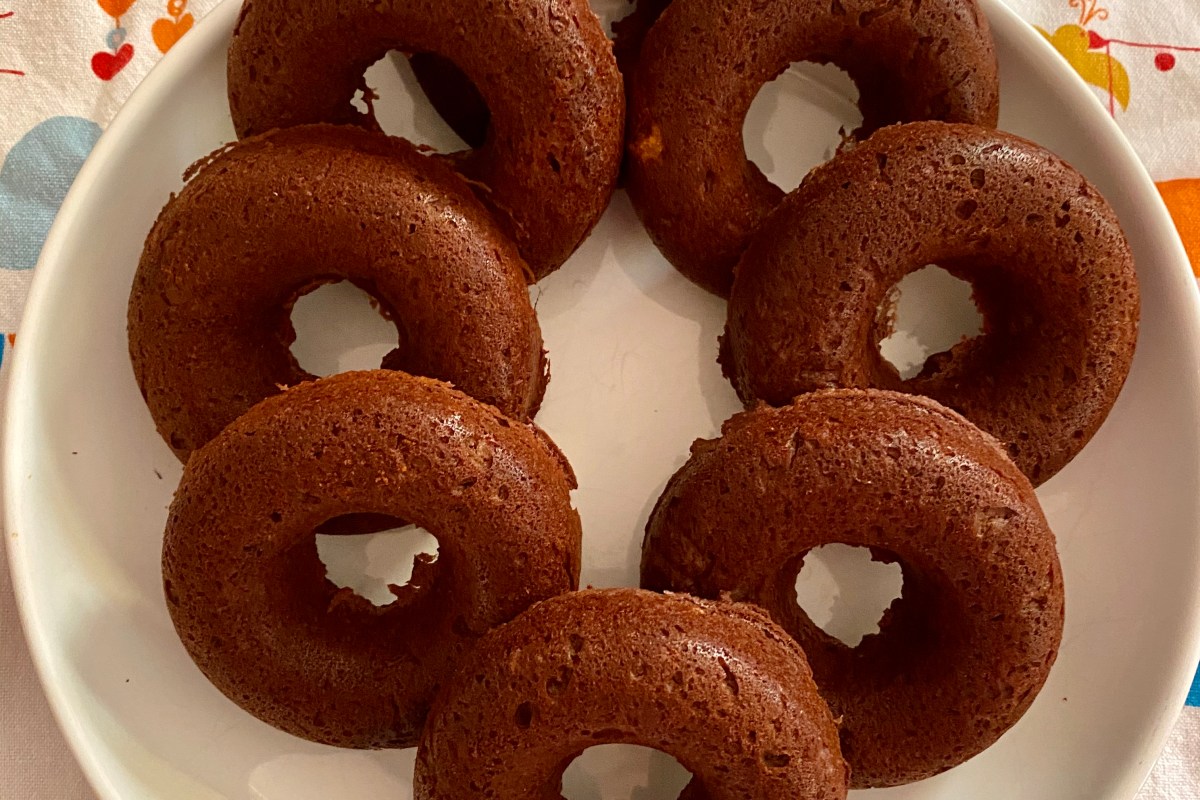
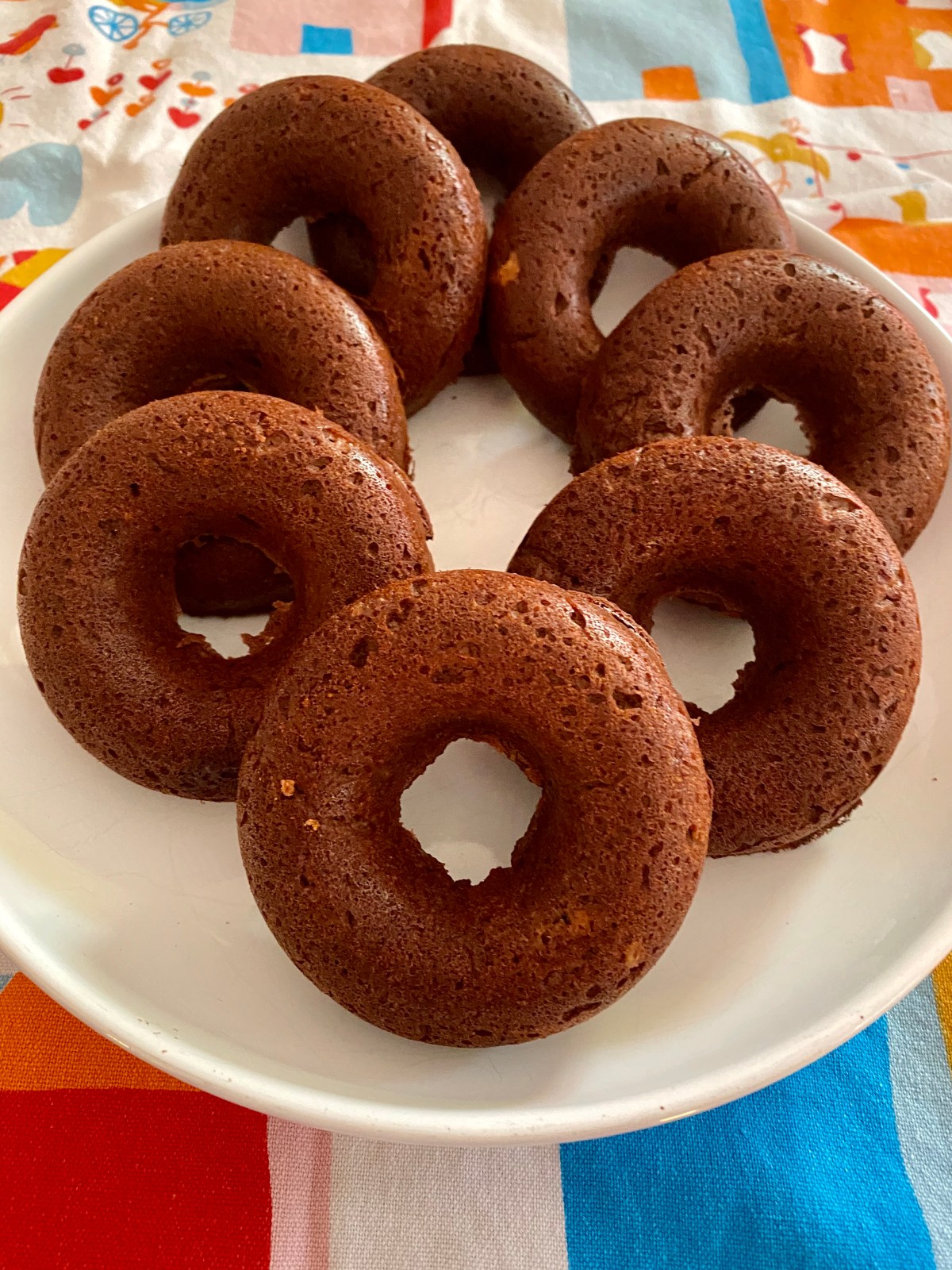
Dark Chocolate Donuts, via Eat the Vegan Rainbow

Quite frankly, these donuts are nothing like the donuts I grew up with. Those were masterpieces of my grandmother, made with yeast-based dough that would rise for hours, be beaten down, and kneaded, rolled out, cut in circles with a glass and fried in some piping hot oil. Then, while still hot, dusted with powdered sugar or injected with jam. Those were donuts of my childhood and I loved making them with my grandma!

Now that I am well into my adulthood and struggling to maintain healthy weight, and allow myself an occasional treat, I’ve been re-inventing old treats into new treats. With less (or in this case no) oil, less sugar, and taking far less time to make, yet equally as delicious!

One thing that makes these donuts possible is a non-stick donut pan. I never thought I would buy one, but I did, and it works really, really well. Although these donuts don’t have any wheat flour and are surprisingly sticky and wet, they came out perfect, and I think that’s all thanks to the pan. (I got this one from Amazon, in case you are wondering).

The donuts some together in less than 5 minutes, and take about 15 minutes to bake. You need a large bowl and a spatula. No waiting for dough to rise, no rolling it out, none of that. All you need to do it spoon it into the donut pan, fill each ring about 3/4 of the way full, leaving the room on the top for donuts to rise and fill, and that’s it!

The dough will be sticky and dense, so you will need to spoon it out bit by bit, until the donut ring is done. Don’t overfill as I said and don’t pack it in too much. You will need to nudge the dough in and smooth the surface a bit, but try not to overfill. It’s best to bake in batches than end up with a batch that’s not looking too good.

These donuts are not very sweet, which is the way I prefer them. But if you do have a sweet tooth you can glaze them by simply using some powdered sugar and a squeeze of lemon juice to make a dense sugar paste. Or you can melt a bit of dark chocolate and dunk them in for a chocolate glaze. Feel free to go as wild as you like, and enjoy!


Dark Chocolate Donuts – oil-free, gluten-free, and vegan

What you’ll need:

  • 1 cup almond flour (this is usually called bleached almond flour and it is not almond meal; coconut flour will probably work as well, and any gluten-free flour will likely work too but using rice flour will make this less keto-friendly if you are into that sort of diet)
  • 1/2 cup pea protein powder, unsweetened (you can use any vegan protein powder and you could use sweetened versions and vanilla or chocolate flavored ones – in that case you need to remember to dial down maple syrup)
  • 2 tablespoons dark cacao powder
  • 2 tablespoons maple syrup
  • 1 cup unsweetened apple sauce
  • 1/4 cup almond butter, creamy and unsalted (you could use peanut butter, but I find almond butter to be of a milder flavor)
  • 2 tablespoon vanilla
  • 1 teaspoon baking soda
  • 1 teaspoon baking powder
  • 1/2 lemon – juice (about 1/4 cup)


What you’ll do:

  1. Preheat the oven to 375 F (190 C).
  2. In a large mixing bowl, combine all the ingredients – except the lemon juice. Using a spatula or a similar flat mixing utensil, mix  well until fully incorporated, smooth and even.
  3. Add the lemon juice and mix again until all is fully mixed in. This will take about 2-3 minutes of mixing. The dough will be moist, sticky and dense.
  4. Use a small spoon to transfer the dough into the donut pan. Spoon it out bit by bit, until a donut ring is done, then proceed to the next ring and so on until all the rings are full or all the dough is used up. Don’t overfill as I said and don’t pack it in too much. You will need to nudge the dough in and smooth the surface a bit, but try not to overfill. The amount of though is enough for 8-10 donuts using regular size donut pan (like this one, which is sold as a pair on Amazon).
  5. Bake for 12-15 minutes, until the tooth pick comes out clean. Let cool for 5-10 minutes before taking out of the pan. The donuts should slide right out and are ready to enjoy!
COPYRIGHT © EAT THE VEGAN RAINBOW, 2020

Quinoa Breakfast Scramble (oil-free)

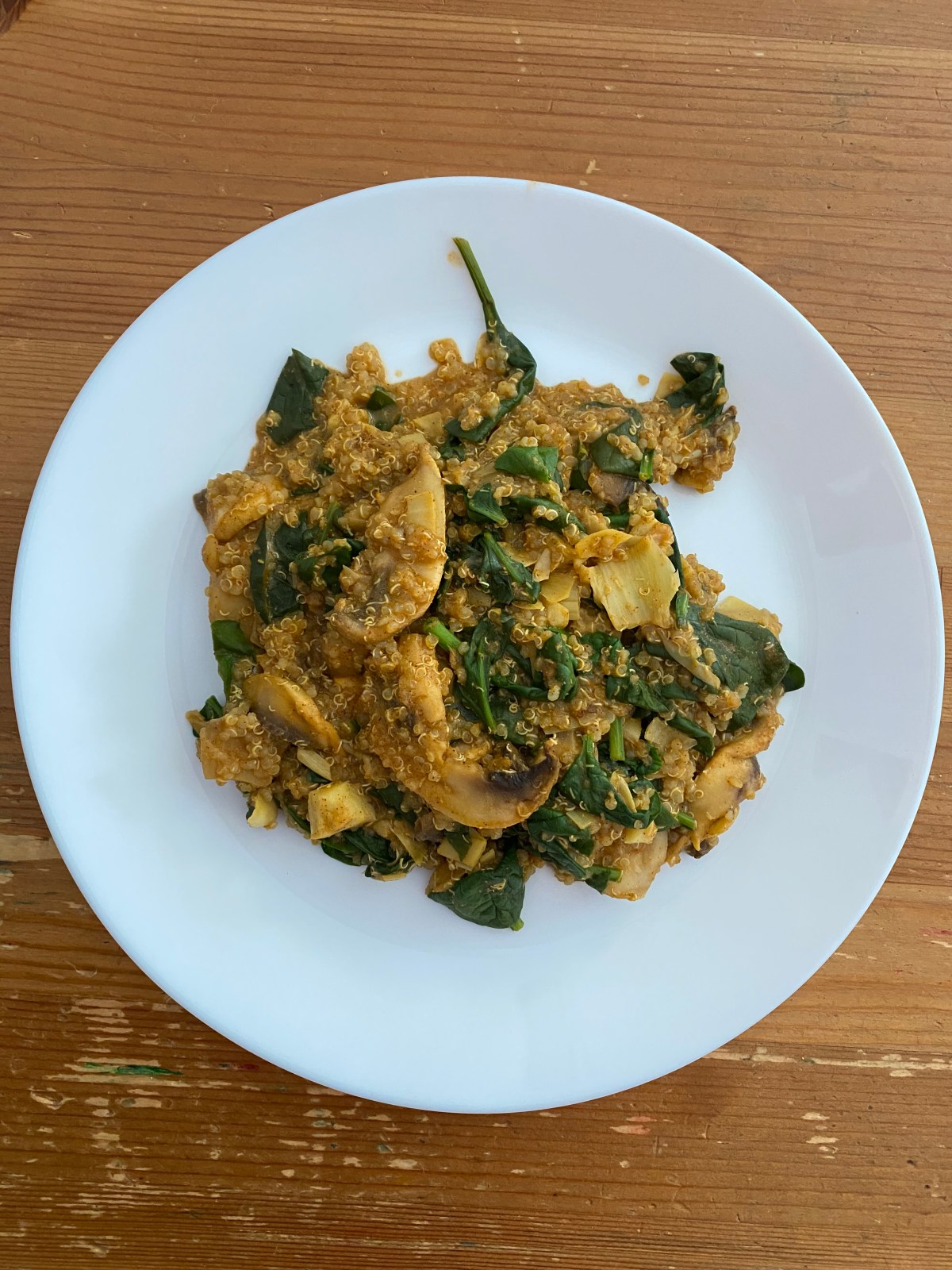
Quinoa Breakfast Scramble, via Eat the Vegan Rainbow

What’s for breakfast? This question takes a whole new meaning on weekends (I luckily have those off), when I am around to spend time experimenting and entertaining. I love making waffles, pancakes, and muffins. Lately, I started getting myself into eating more protein for breakfast, so I’ve been gravitating towards tofu scrambles (see recipes here and here). They are yummy and delicious, and I love them!

But: I also like some variety, and that led me to looking for other high-protein plant-based alternatives. Quinoa is the queen of plant protein – it is a fantastic substitute for rice, and I use it in many different recipes, from those that are supposed to be complete meals (like stuffed eggplant (the same recipe can be used to stuff peppers) and gumbolaya), to side dishes (see here for a very festive side dish with quinoa, roasted cranberries and pistachios – yummy!). Because quinoa is such a great source of plant-based protein, I have also developed a recipe for a ground beef substitute featuring quinoa. In this way quinoa can me your go to for tacos, pizza topping and similar.

With all that said, I wanted to see whether quinoa makes a good breakfast – and it does! The recipe below is just one illustration of how great a quinoa-based breakfast can be. You can also eat quinoa the same way you would oat meal – topped with fruit, syrup, even granola and yogurt. However, quinoa is not as quick to make as oats, so I recommend that you prepare a batch of quinoa and then store it in fridge for 3-5 days and use as needed.

There are a few tips for preparing quinoa. First of all, I recommend soaking for few hours (on the kitchen countertop) to overnight (in the fridge). Quinoa is covered with bitter compounds called saponins. These are totally natural compounds produced by the plant as it grows, and used a sort of protection from pests (not even pests like bitter things!!!). Soaking and extensive rinsing will help wash these chemical compounds away, and you can tell they are there if foam forms as you are rinsing. One thing to note is that a lot of quinoa on the market has been treated to remove saponins – on one hand that is good because you don’t need to worry about the bitter taste, on the other hand depending on the process used some of the nutritional value of quinoa may have been removed as well. By the way, eating saponins at the amount present on quinoa will not hurt, just in case you are wondering, but the flavor is likely going to be affected. Bottomline: I soak and rinse my quinoa very well before cooking.

And because the quinoa is already wet and soaked, I cook it in less water, usually 1.5 cups of water to 1 cup quinoa. The easiest way to cook quinoa is to use a pressure cooker (it takes 8-10 min on rice cycle, if you have instant (electric) pressure cookers with preset menu to choose from), or about 20 min on the stove top.

Once quinoa is cooked and cooled, you can store it for 3-5 days in the fridge and use as needed, for a scramble recipe below, for salads, as a porridge-type breakfast, as a side for your dinner, or to make any one of your favorite recipes that call for rice or any other type of grain. Enjoy!

Quinoa Breakfast Scramble (oil-free)

What you’ll need:

  • 1 1/2 cups cooked quinoa
  • 8 oz mushrooms, sliced
  • 3-4 artichoke hearts, sliced
  • 8 oz baby spinach leaves
  • 1/4 cup nutritional yeast
  • 1 teaspoon garlic powder
  • 1 teaspoon onion powder
  • 1 teaspoon paprika
  • 1/2 teaspoon smoked paprika
  • (Optional): oil or cooking spray. Omit for oil-free version.

What you’ll do:

  1. Add mushrooms to a large non-stick pan and place over medium-high heat. If using oil or cooking spray, add to pan and bring to heat before adding the mushrooms. Cook with stirring until mushrooms are soft and browned. This takes about 4-5 minutes.
  2. Add the artichoke hearts, mix well and sauté for another 2-3 minutes.
  3. Add the cooked quinoa, and all the other ingredients except the spinach. Mix well and cook for 4-5 minutes more.
  4. Last: add the spinach – it will be bulky and take up a lot of space. But don’t panic: slowly incorporate the spinach. It will start to wilt and reduce in size as it heats up and mixes in. Baby spinach leaves take about 2-3 minutes to wilt and soften, so keep stirring until incorporated, reduce the heat to low, cover with a lid, and leave for couple of minutes.
  5. Serve as breakfast, lunch or dinner. If serving as a breakfast, complement with a bowl of fruit and perhaps a piece of toast. Enjoy!
COPYRIGHT © EAT THE VEGAN RAINBOW, 2020

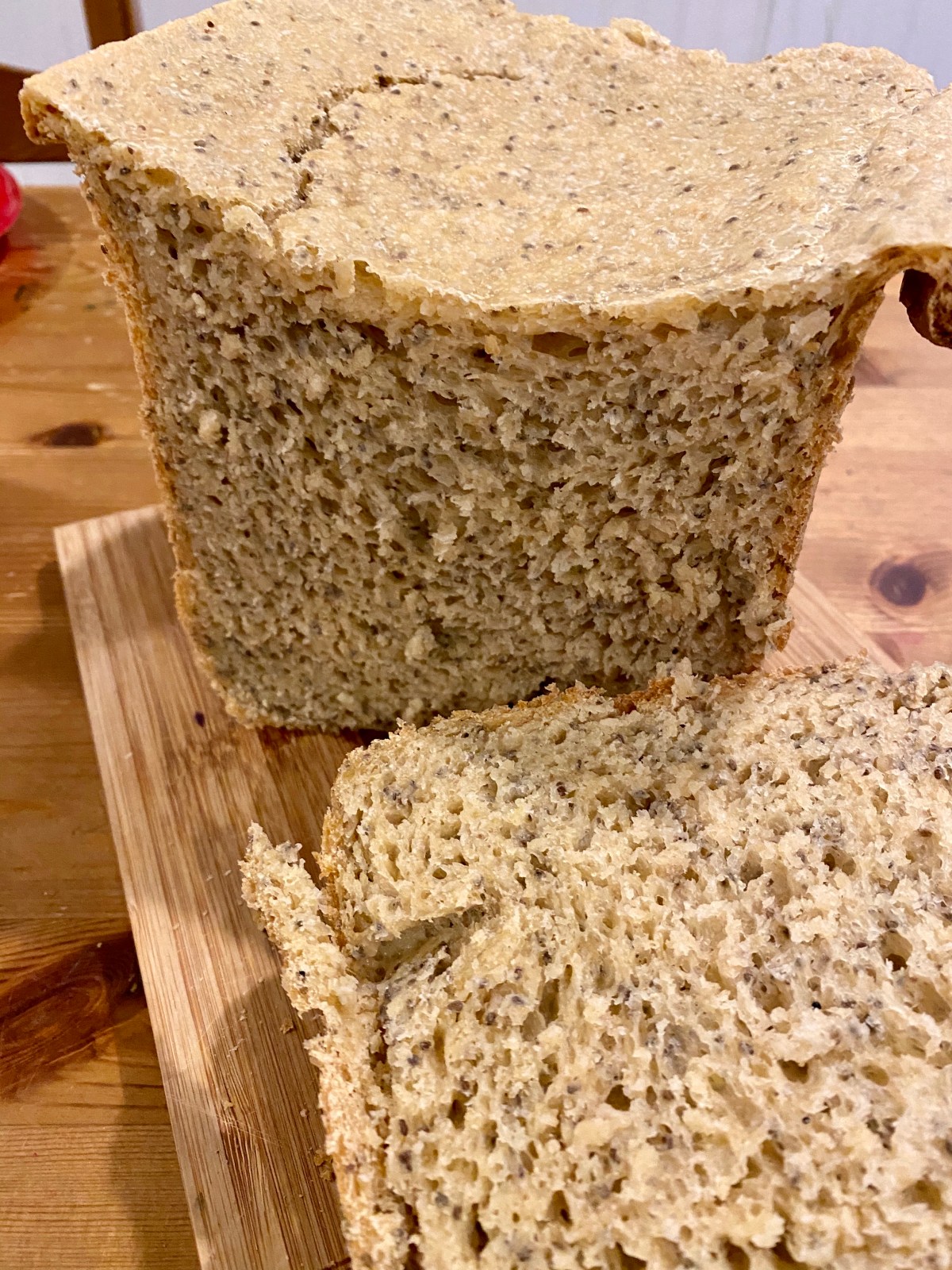
Chia Seed Bread (Bread Machine Recipe)

Chia Seed Bread (Bread Machine Recipe)
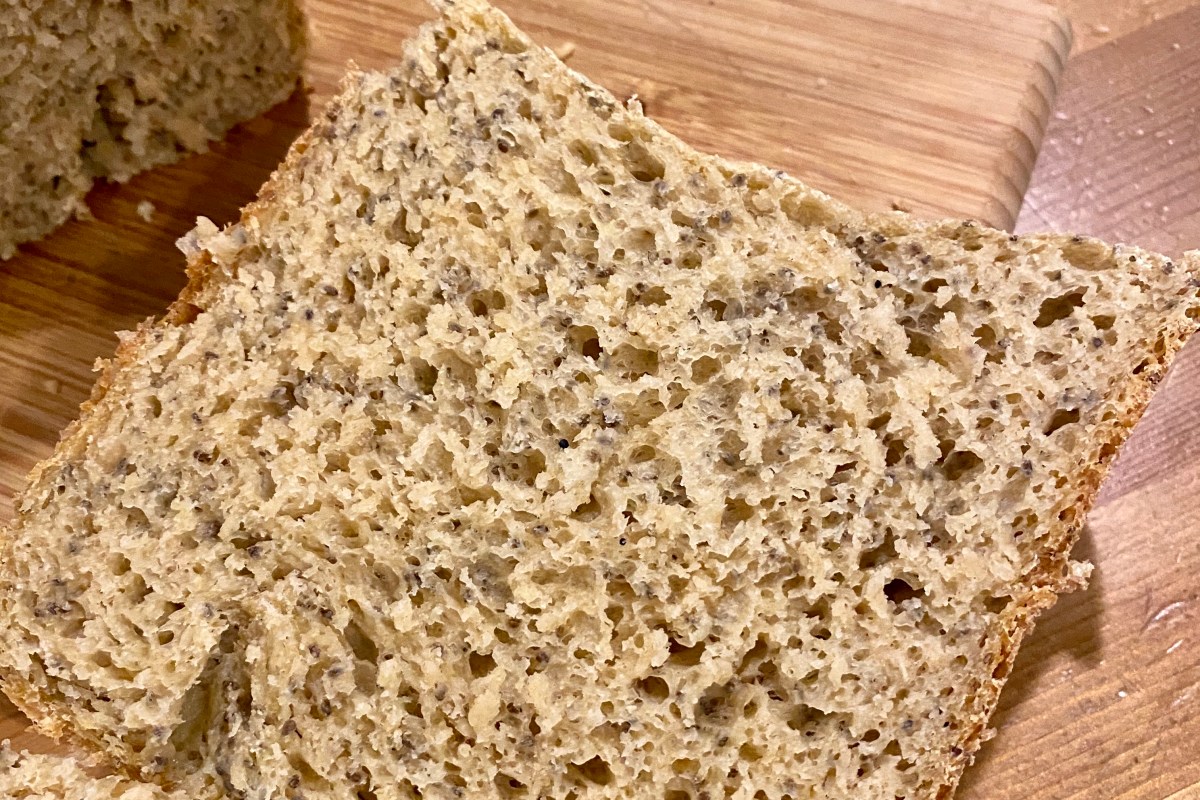
Chia Seed Bread (Bread Machine Recipe), via Eat the Vegan Rainbow

When it comes to comfort food, I think we can all agree that there are not many things that can compete with freshly baked bread. Bread making is part science, part art, and part therapy. Watching the dough rise, pounding the dough down, letting the house fill with the aroma of freshly baked bread…, and then biting into a fresh, crusty loaf.

This sounds almost too good to be true, and in practice it really is. Who has the time to baby sit the dough? Not me! That’s why I bought a bread machine. It’s a specialized kitchen gadget that I use 5-6 times a year, which may not seem like much but it is worth it!

The model I have is a very basis one, without too many fancy bells and whistles. However, it is consistent and although it did not produce a good gluten-free loaf I did come close.  (To be fair, the reason for not having luck with gluten-free breads is that my bread machine does not have a gluten-free setting as some fancier machine do, and gluten-free dough does require a totally different treatment and timing.)

Back to the chia seed seed bread. I decided to try to make a rustic bread with chia seeds for added nutritional touch and a bit of texture. If you have not used chia seeds before, they are often used to make vegan puddings, or as a substitute for eggs in vegan baking. When soaked, these seeds produce a thick, gelatinous mass which can be used as a binder. This was the basic idea behind using them in a bread recipe.

The first step in this recipe, and in others that use chia seeds is soaking the seeds. I recommend using hot water to speed things up here, but you can also soak your seeds in cold water overnight. If you are using hot water please remember to let the water temperature come down to room temperature before using it in the bread machine as hot water will destroy your yeast.

Last tip for this chia seed bread is to use some lemon juice and a bit of lemon zest, plus some baking powder to help the bread rise. Chia seeds are heavy and may weigh the bread down, so a bit more leavening helps. Another modifications to the bread machine set-it-and-forget-it is to use the first resting time in the bread machine program to go in with a spatula and make sure that chia seeds are well incorporated throughout. Once that’s done, you can walk away and let the machine take care of the rest. Enjoy!

Chia Seed Bread (Bread Machine Recipe)

FOR A 2 LBS (1 KG) LOAF, FRENCH BREAD SETTING ON A BASIC OSTER MODEL)

What you’ll need:

  • 1/4 cup chia seeds
  • 3/4 cup hot water
  • 2 3/8 cups water
  • 1/4 cup oil
  • 1/2 lemon, zest and juice
  • 1 3/4 cups white flour
  • 1 3/4 cups whole wheat flour
  • 2 teaspoons baking powder
  • 1 teaspoon salt
  • 1 tablespoon sugar
  • 2 1/2 teaspoons quick rise yeast


What you’ll do:

  1. Place chia seeds in a bowl or a mug, cover with hot water, mix well and let stand until chia seeds are soaked and gelatinous, and don’t feel warm to touch. This may take 30 minutes or more, so you may want to do this step in the morning if you are planing to have the bread ready for dinner.
  2. Follow your bread machine instructions for the order in which you put your ingredients in. In my case, the order is water, oil, lemon juice and lemon zest, chia seeds, salt, flour, sugar, baking powder and yeast as the very last ingredient.
  3. Turn the program on and let the machine complete the first mixing step. When the mixing blade stops moving, open the machine and mix everything by hand with a spatula. This step is necessary as chia seeds may lump together and not mix well with the rest of the ingredients. Once you have ensured that everything is well mixed together, close the lid and let the machine take care of the rest.
  4. Your bread should be ready in 3 hours or so. Enjoy!
Copyright © Eat the Vegan Rainbow, 2020


Gluten-free flatbread with corn, cashews and chia seeds

Gluten-free flatbread with corn, cashews and chia seeds
Gluten-free flatbread with corn, cashews and chia seeds, via Eat the Vegan Rainbow

Making your own gluten-free flatbread is easy! Yes, you heard that right – so, now you don’t have any excuses not to try it. Why flatbread? Well, to be quite honest, I don’t have patience or the time needed to work with yeast – you need to babysit a piece of dough for hours and at the end all you have to show for is a loaf of bread. Undoubtedly, it’s a loaf superior to anything you may get in the store, but that usually does not compensate for the time investment.

That’s why I like my bread machine. It’s set-it-and-forget-it kind that does everything for you. And I’ve been able to get some great results this way. But sometimes you just need something more fun and unusual and flatbreads are something to try. I love tortillas (flatbread in my book), lavash, as well as Indian flatbreads, like chapati (or roti) and paratha. These are all great options for wraps, but what they miss is enough structure to make a sandwich.

I love sandwiches, and have shared recipes for sandwiches in the past, like this grilled tofu with coleslaw sandwich, or this tomato-basil-mozarella (aka caprese salad) one. So, I needed a quick, easy and flat (but not floppy) bread. Plus: the bread needed to be gluten-free.

Below is the result. I would call it a step in the right direction, as I wished that it was a bit crispier. Still, that’s nothing a toaster (or a toaster oven) can’t fix. The bread is basically made of corn, cashews and chia seeds all mixed together with some nutritional yeast, baking powder and spices.

The trick I discovered which helps bake the bread is to use a pizza stone. And if you don’t have one, don’t worry, I provide alternatives below.

Enjoy!


Gluten-free flatbread with corn, cashews and chia seeds

What you’ll need:

  • 4 cups corn kernels (fresh, frozen (defrosted) or from the can (drained))
  • 1 cup cashews
  • 1/3 cup chia seeds
  • 1/3 cup nutritional yeast
  • 1 teaspoon baking powder
  • 1/2 teaspoon black pepper
  • 1/4 teaspoon crushed red pepper flakes
  • Optional: 1/4-1/2 teaspoon salt (to taste)
  • Cooking spray

What you’ll do:

  1. Preheat the oven to 425 F (220 C) with a pizza stone in it, if using.
  2. Put all the ingredients into a food processor and process until fully combined and smooth. This will take couple of minutes.
  3. If you are not using a pizza stone there are several different ways in which you can bake this. You can use a baking sheet or a 9 in x 13 in (23 cm x 33 cm) baking dish. Regardless of a method, you will need parchment paper. If using the pizza stone you will place the parchment paper on your pizza peel and pour the batter on it, shaping into a 1/4 in (5-6 mm) thick rectangle (I am assuming you have a pizza peel if you have a pizza stone, the two go hand in hand; but if you don’t just use your kitchen counter and be very, very, very careful when placing your bread onto the pizza stone as it will be hot and you can get burned). If you are using a baking sheet or a baking dish you need to spray the parchment paper with some cooking spray to prevent sticking and pour in your batter. Smooth the top and make sure the thickness is even throughout.
  4. Place the bread into the oven. If using the pizza stone, it will take about 15 minutes to bake this bread half way through, then you will turn the oven off. Leave the bread in the oven with the heat turned off for another 15 minutes. The pizza stone and the oven retain lot of heat, so the bread will continue to bake. If you are baking without the pizza stone, bake for 25 minutes, then check for doneness. The bread will feel soft but it should not feel wet.
  5. Take the bread out, and slide the parchment paper out of the baking sheet/dish. Let the bread cool on the parchment paper until cool enough to handle, then slide on the cooling rack. This will prevent the bottom from getting soggy.
  6. Serve warm or cold, and use as you would normally use a flat bread. Enjoy!

Copyright © Eat the Vegan Rainbow, 2020

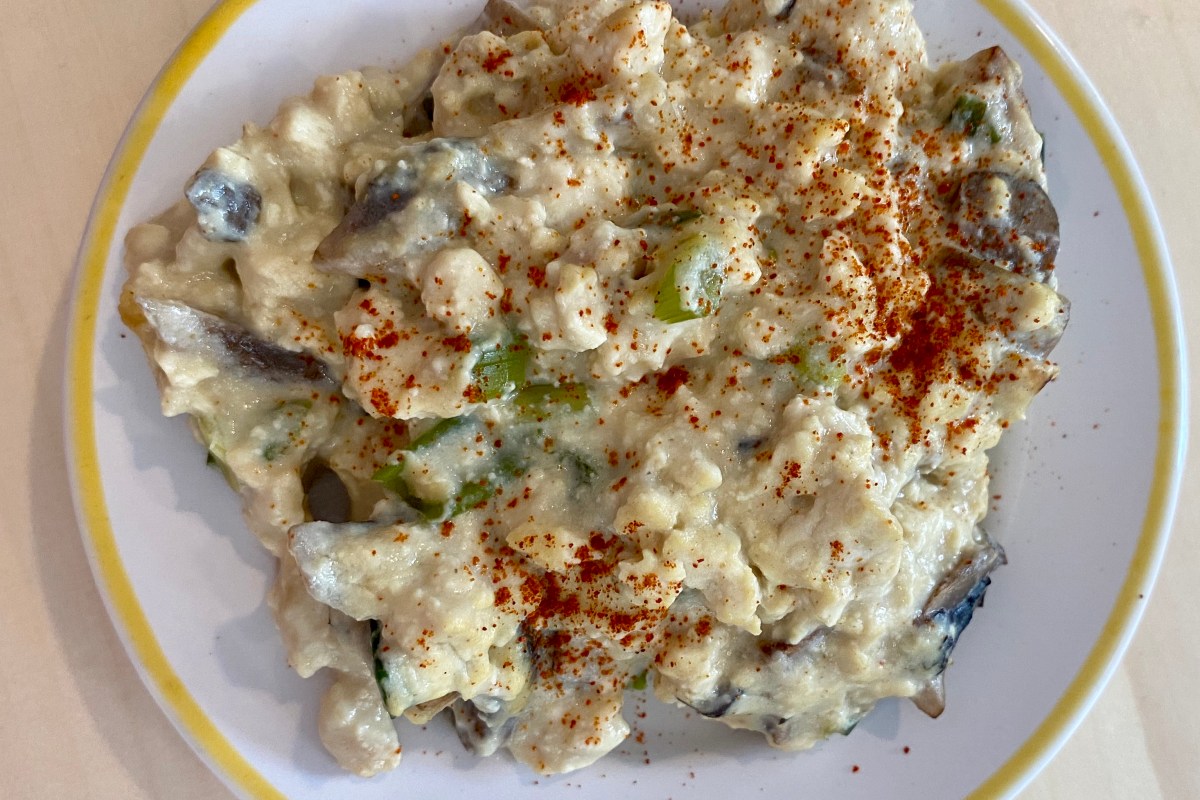
Vegan Scrambled Eggs with Mushroom and Scallions (oil-free)

Vegan Scrambled Eggs with Mushroom and Scallions
Vegan Scrambled Eggs with Mushroom and Scallions (oil-free), via Eat the Vegan Rainbow

Do you eat breakfast every day? Many consider breakfast essential – a meal that can’t be skipped no matter what. I personally ebb and flow on this. When I was younger I could not imagine starting a day without a solid meal. Nowadays, breakfast may or may not happen, and it may or may not happen at different times after I wake up. Very often, it is a quick piece of fruit, a banana, apple, or (one of my weird favorites) roasted sweet potato, or my attempt to dethrone avocado toast – the banana toast (huh, you didn’t see that one coming, did you?)

I blame my busy morning for this state of the affairs, so when I do have a chance I try to make breakfast a bit more substantial. Often that means some sort of doughie concoction like muffins, pancakes, crêpes, waffles, scones, or even popovers and I enjoy making them as they are real crowd pleasers. But, I personally prefer a savory breakfast when I have a choice, like a breakfast taco, or something like these soy-free scrambled eggs.

Few days ago I made another version of scrambled eggs (not soy-free), which I am very proud of. The recipe uses tofu, so if you are trying to minimize soy intake for whatever reason, you can refer back to soy-free scrambled egg recipe for instructions on how to make the “egg” base, and combine with the rest of the recipe below.

The recipe is really simple. You will need a blender to create a very smooth mix of silken tofu and arrowroot powder (or starch) that will serve as binder for the scramble, but that’s the only specialized equipment you need here. All the rest you can do by hand.

There are two optional ingredients below – black salt or kala namak and smoked paprika. Black salt is salt that has traces of sulfur containing salts which give it a sulfurous smell, a smell of eggs. I usually skip this, but you may want to experiment with small amounts and see whether you like it or not. For a smokey aroma, I recommend using a small pinch of smoked paprika just before serving. If you prefer to add some heat, you can replace with a pinch of chipotle powder or a drizzle of hot hot sauce, like tabasco.

Vegan Scrambled Eggs with Mushroom and Scallions (oil-free)

What you’ll need:

  • 4-5 scallions (green onions), white parts and green parts, finely sliced
  • 5-6 mushrooms (white or cremini), whole, sliced (I prefer slicing them finely)
  • 1 box (10 oz, 300 g) silken tofu
  • 1/4 cup nutritional yeast
  • 1 tablespoon arrowroot powder (or tapioca starch or any other starch you have on hand)
  • 1/2 lemon, just the juice
  • 1 teaspoon garlic powder
  • 1 teaspoon onion powder
  • 1 teaspoon cumin powder
  • 1 box (14 oz, 400 g) extra firm tofu, drained and crumbled
  • (Optional) pinch of black salt
  • (Optional) pinch of smoked paprika for serving (or chipotle powder for more heat)
  • (Optional) tabasco sauce, drop or two


What you’ll do:

  1. Sauté scallions and mushrooms in a dry pan over medium-high heat, stirring frequently and adding a tablespoon of water at a time as needed to prevent food from sticking to the bottom of the pan. You can use oil if you like – 1 tablespoon should be sufficient here.
  2. While scallions and mushrooms are cooking, place silken tofu and the rest of the ingredients except a block of extra firm tofu, into a blender and blend until smooth.
  3. Once they are done cooking, push mushrooms and scallions to the side of the pan and poor in the silken tofu mix. Deglaze the bottom of the pan, then add the extra firm tofu crumbles, and mix well to incorporate all the ingredients.
  4. Increase the heat to high, and let the mix start to bubble. Mix well to prevent burning, and cook for 3-4 minutes. Serve hot with an optional pinch of black salt, sprinkle of smoked paprika, chipotle powder or hot sauce. A piece of toast and some black coffee would go well with this scramble, too!
Copyright © Eat the Vegan Rainbow, 2020

Favorite Posts of 2019

new-years-eve-3891889_1920

Happy New Year!

It seems 2020 may turn out to be pretty depressing and gloomy, but I still hope we can all have health and small, but meaningful victories along the way.

Here, I want to take a brief look back at some of those small victories in 2019, the recipes and posts that brought smiles and happy tummies to me and others, the posts and recipes that helped.

  1. Must-Have Spices for Your Vegan Kitchen
    Basic spice collection
    Basic Spice Collection, Image via Pixabay

    the main motivation behind this post was to help people navigate the spice isle in their grocery store. Those spice bottle displays can be intimidating – too many little bottle with “magic” powders and, very often, scary looking price tags. So, I used this opportunity to boil it down to essentials: dried basil and oregano, garlic powder and onion powder, paprika and smoked paprika, ground cumin and chili powder, liquid smoke, Old Bay Seasoning (or any other seafood seasoning mix), and, for sweet treats, cinnamon, nutmeg, cloves and vanilla extract. With these spices on hand you will have the wide range of basic and not-so-basic recipes covered. You will find that recipes below incorporate many of these spices, some in perhaps unexpected ways.

  2. BBQ Pulled Eggplant
    BBQ Pulled Eggplant
    BBQ Pulled Eggplant, via Eat the Vegan Rainbow

    I love eggplant, and this recipe really works for me. It takes advantage of the natural eggplant texture that makes it very easy to pull into long strings that resemble pulled BBQ meat. Plus, eggplant soaks the liquid really well, and in this recipe we use a marinade made of chili powder, smoked paprika, onion powder, soy sauce, maple syrup (or agave syrup) that makes this a really delicious and rich BBQ experience.

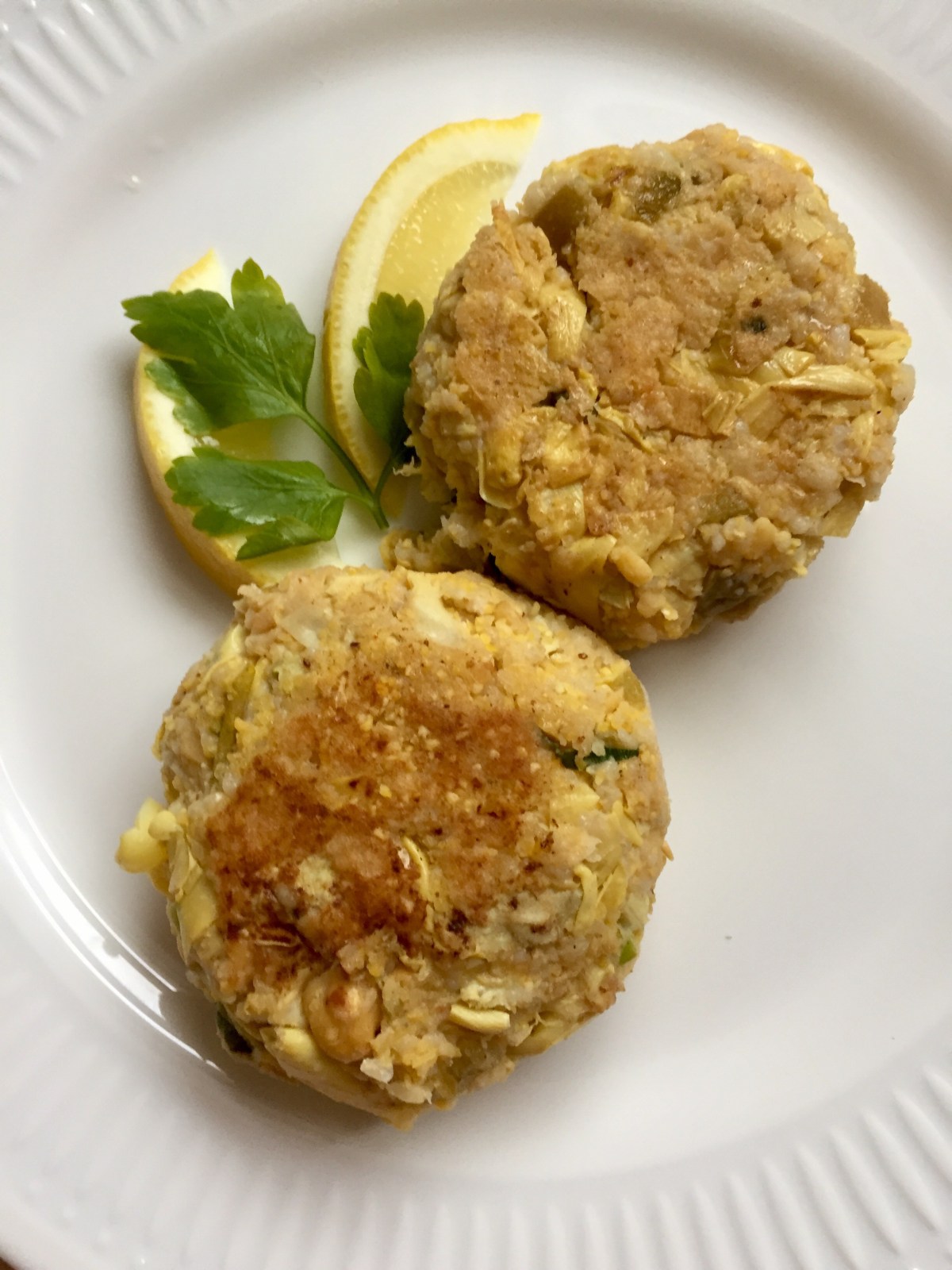
  3. Fish-like Cakes with Chickpeas and Artichoke Hearts
    "Fish" Cakes with Chickpeas and Artichoke Hearts
    “Fish” Cakes with Chickpeas and Artichoke Hearts, via Eat the Vegan Rainbow

    this is an example of a recipe where using Old Bay Seasoning (or a similar type of seafood seasoning mix) is almost essential. These cakes are fantastic and easy to make, they combine chickpeas, artichoke hearts, corn meal, some break crumbs and a good amount of lemon juice and zest. They are light and delightful summer food (although I bet they can bring some much needed summer flavor to your long winter nights as well).

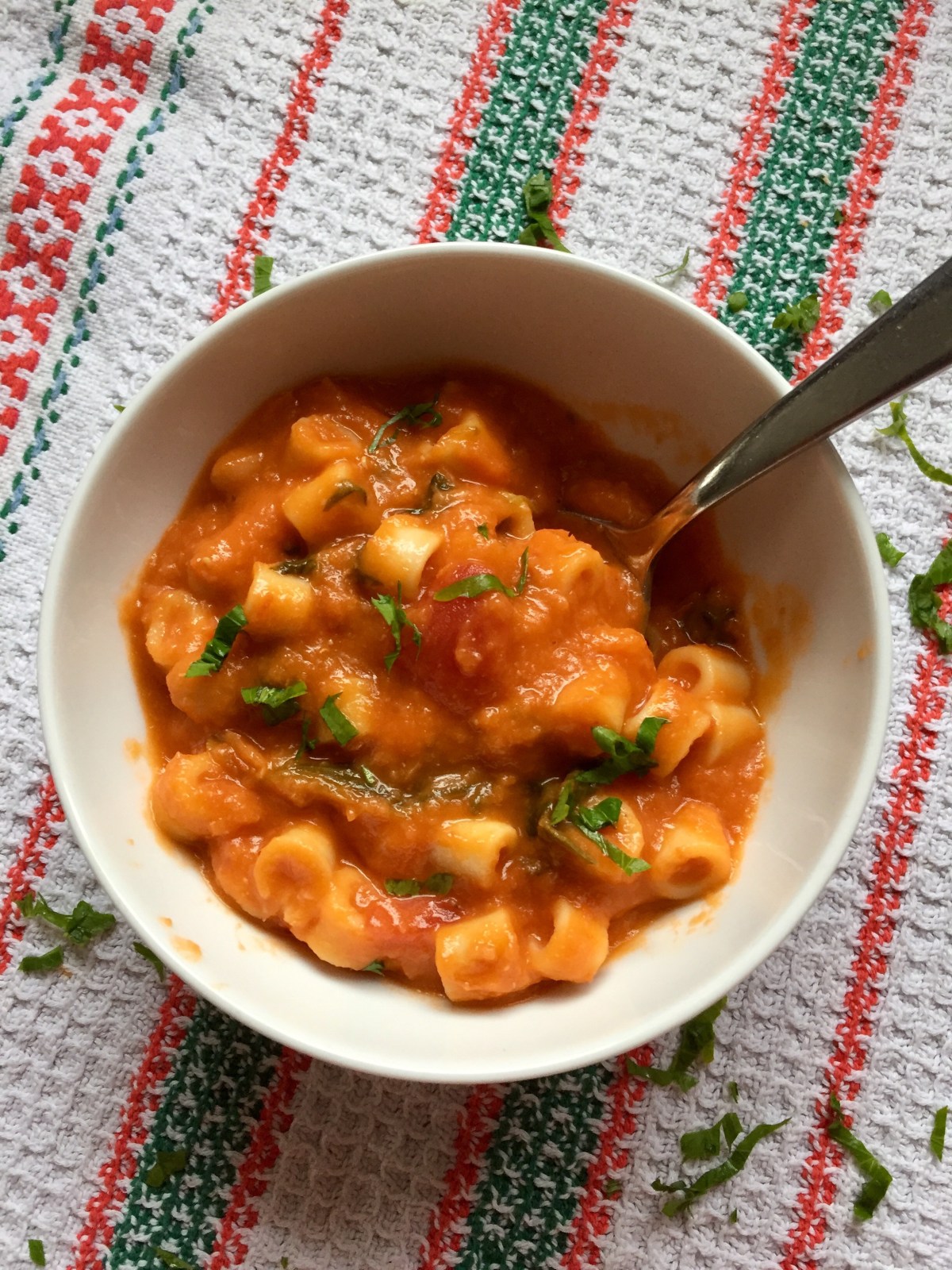
  4. White Bean and Spinach Soup
    img_6271
    White Bean and Spinach Soup, via Eat the Vegan Rainbow

    Speaking of cold winter nights, this soup is all about bringing warmth and comfort to your table. This soup is a complete meal, full of beans, pasta, tomatoes – it comes together in no time and it’s a treat for anyone, vegan or otherwise, young or old. It’s a fantastic weak night dinner option, as well as a great dish to bring to pot lucks!

  5. Vegan Baked Feta (no salt and no fat added)
    img_6302
    Vegan Baked “Feta”, via Eat the Vegan Rainbow

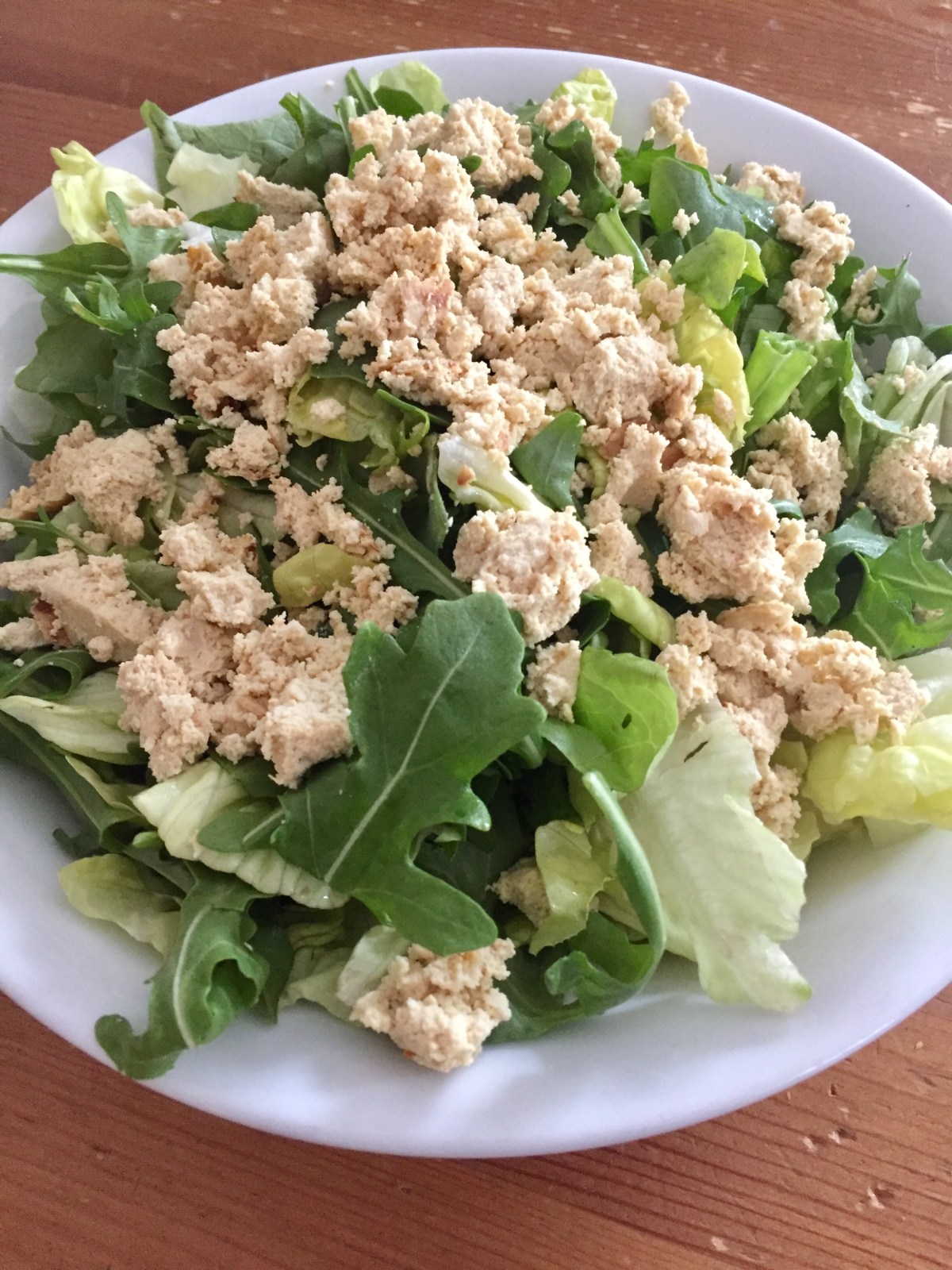
    Here, I wanted to develop an easy vegan cheese recipe and nothing is more simple than taking a block of tofu, adding some vinegar, lemon juice, and nutritional yeast to it, mixing well and letting it lose just a bit of moisture by baking it for a bit. The result is a feta-like crumble that you can use any way you would normally use feta, to top salads, to make sandwiches or to even to make pies!

  6. Mushroom Pâté
    Nut-free Mushroom Pâté, via Eat the Vegan Rainbow
    Nut-free Mushroom Pâté, via Eat the Vegan Rainbow

    Once you give this recipe a try, you will never be able to have another party without it. It is a rich and flavorful dip that is perfect for crackers of any kind, and as a topping for light bites and sandwiches. Yummy!

  7. Homemade Nut and Seed Granola
    Homemade Nut and Seed Granola
    Homemade Nut and Seed Granola, via Eat the Vegan Rainbow

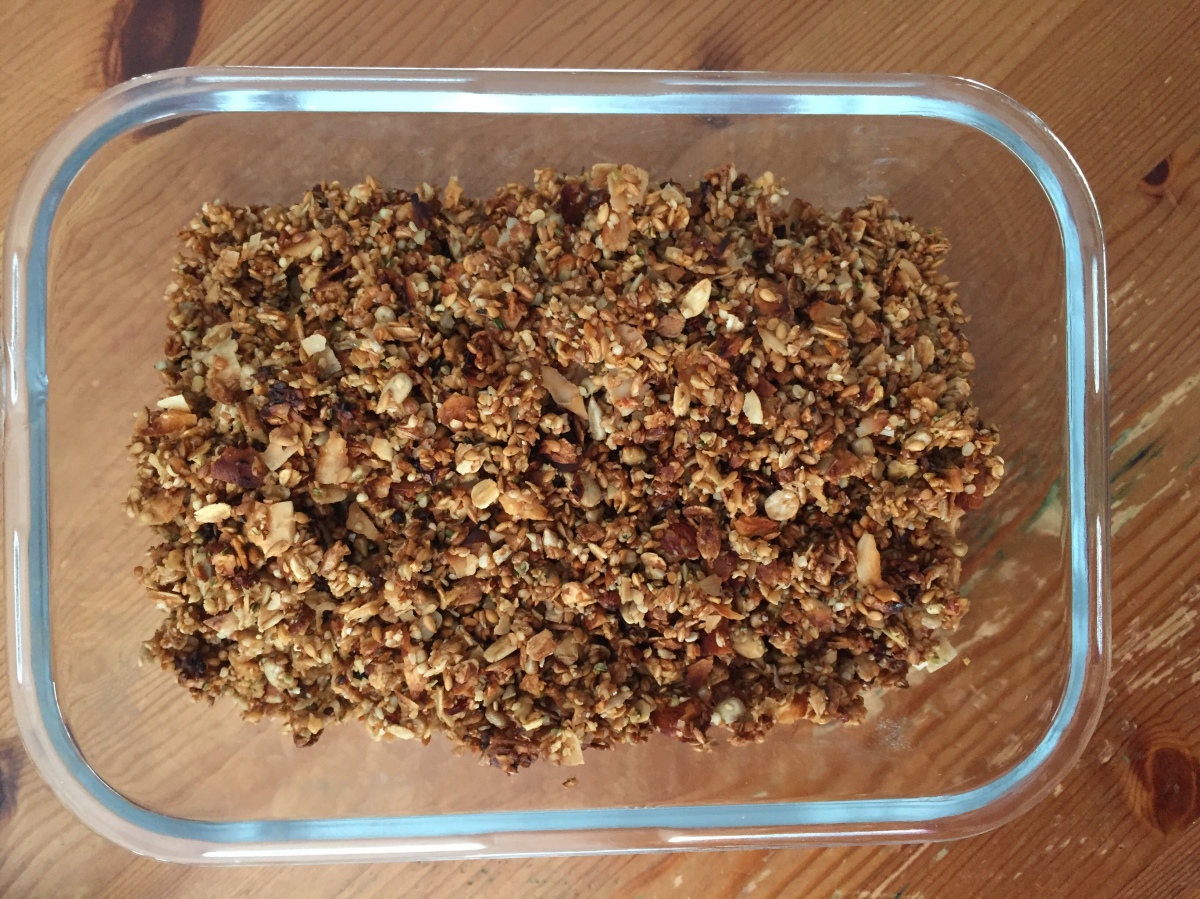
    I have been afraid of making my own granola for the longest time. Finally I decided to give it a try and, quite frankly nothing can be simpler. You do need to have quite a few ingredients on hand to make it really incredible like almonds, buckwheat, flax seed, sunflower seed, oats, hemp seeds – you get the picture! Also: if you leave out the almonds this granola quickly becomes nut-free!!!

  8. Raw Energy Oatmeal Raisin Muffins
    IMG_6471
    Raw Energy Oatmeal Raisin Muffins, via Eat the Vegan Rainbow

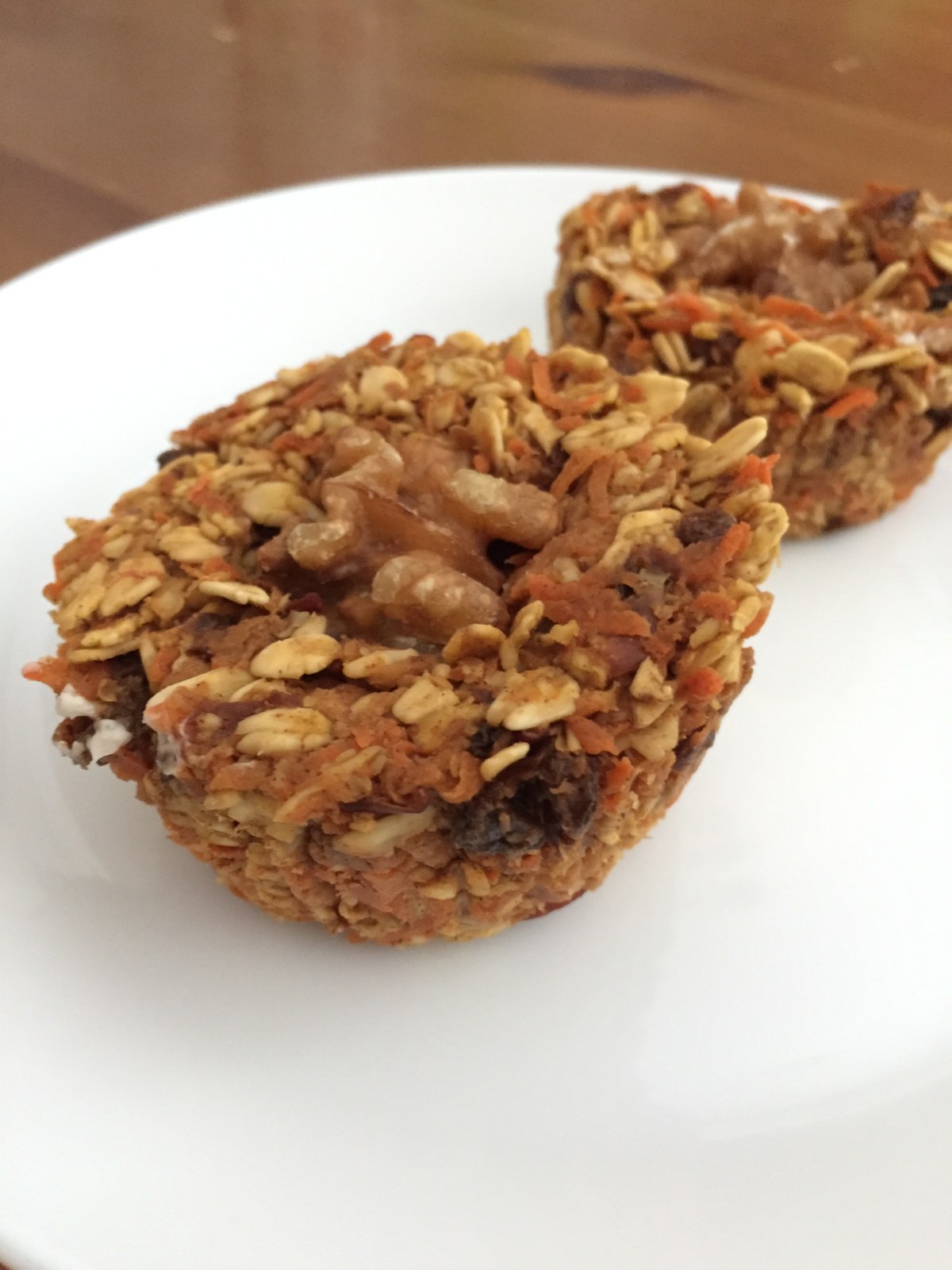
    Last recipe that I want to share with you here is the one I made few times while I was experimenting with transitioning into raw food diet. At the end of the experiment I concluded that 100% raw food diet is not for me, but that some of the recipes, like these muffins are a real keeper. They are no bake, and full of good for you ingredients. Plus they use no added oil, no added sugar and feature only wholesome stuff: carrots, raisins, apples, oats, and of course spices – cinnamon and nutmeg.

Here’s to you and yours and a happy and healthy new year!

Copyright © Eat the Vegan Rainbow, 2020

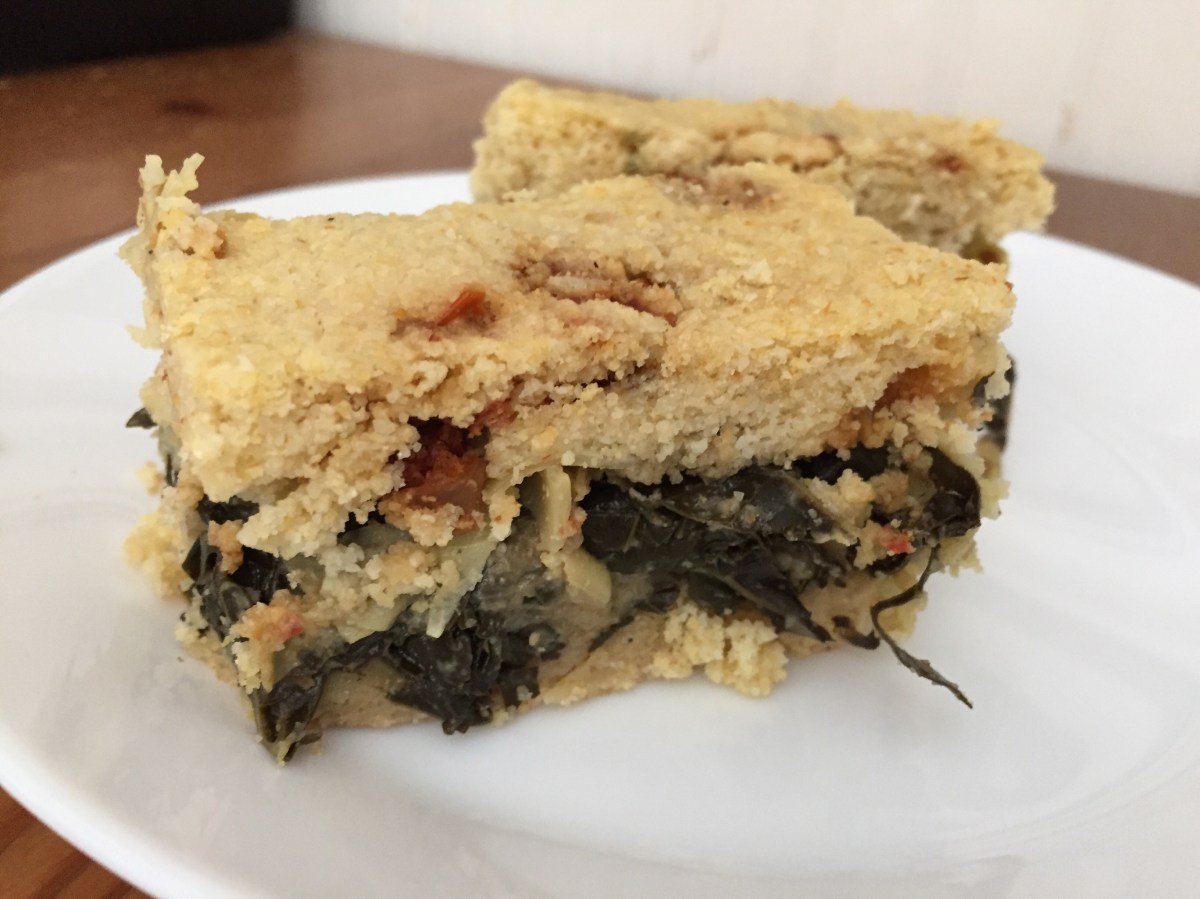
Stuffed Cornbread with Kale, Artichoke Hearts, and Sun Dried Tomatoes

Stuffed Cornbread with Kale, Artichoke Hearts, and Sun Dried Tomatoes, via Eat the Vegan Rainbow

I love cornbread – not the sweet stuff from the southern states of US of A, but the rustic savory kind of the Southern Europe. And I think you will love it too!

I recently shared a recipe for basic gluten-free cornbread, which I hope you tried, especially as a side for a nice pot of bean chili. This, on the other hand, is not your basic cornbread and it’s not gluten free, so make a note of that if you need to (I offer advice on how to make it gluten-free if you need to below).

This cornbread is a bit inspired by lasagna, and a bit inspired by lovely summer produce and flavors. With a bit of freshly grated vegan Parmesan or a dollop of vegan sour cream, and a side salad this can be your lunch or a light dinner! Or: you can serve this as appetizer bites at your next party when freshly baked and warm!!!

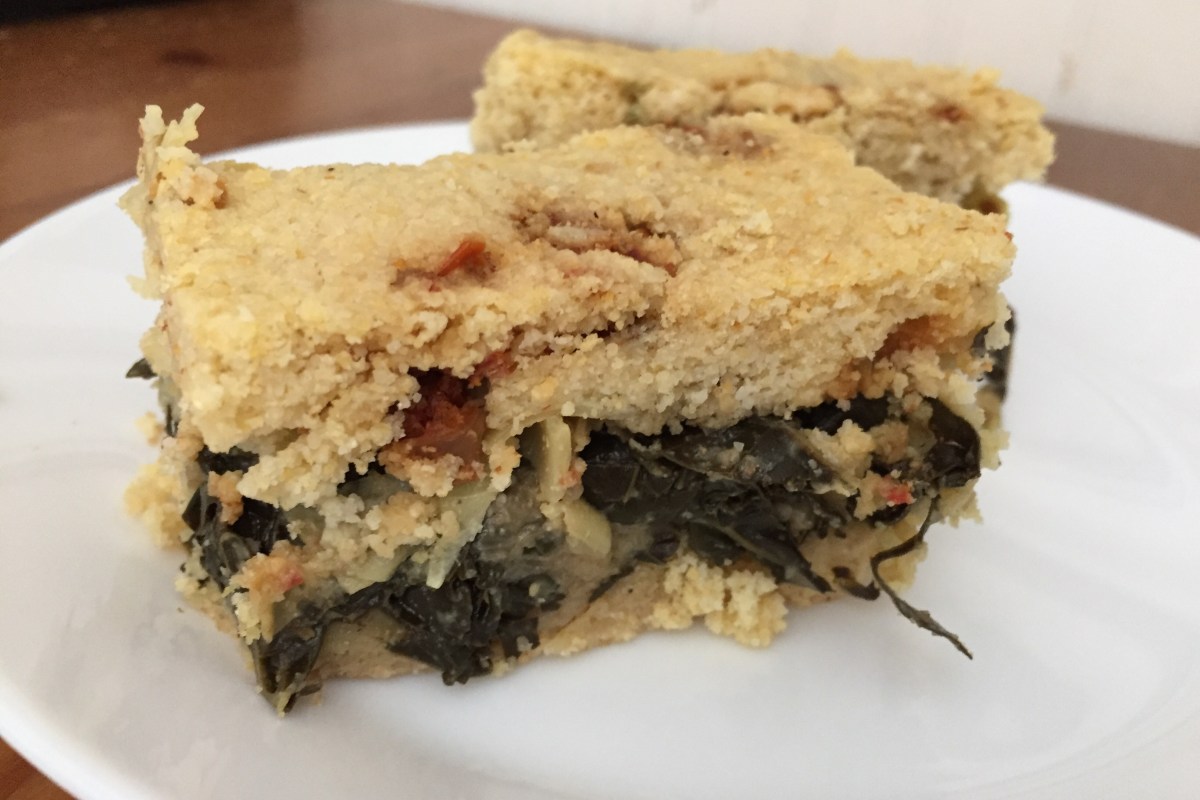
The key to this recipe are three layers that make the stuffing: sautéd kale layer, topped with sliced artichoke hearts layer, topped with sun dried tomatoes layer! Doesn’t this just make your mouth water?

The cornbread better is a mix of three flours: semolina (wheat flour; you can use all purpose white flour or all purpose gluten-free flour as well), fine corn meal and chickpea flour (or other bean-based flour like mung bean flour, or soy bean flour, for extra protein). What helps the bread rise is a mix of baking powder, baking soda and lemon juice, with added acidity giving an extra leavening boost.

The recipe is a bit labor intensive as I don’t recommend using raw kale, and advise getting your kale cooked all the way beforehand. Depending on how “mature” your kale is, this could take anywhere between 10 minutes if working with baby kale to 20 minutes if working with really old kale.

Additionally, I recommend that you soak the sun dried tomatoes in some hot water, to spruce them up a bit. If you are using sun dried tomatoes stored in olive oil, please skip this step and make sure the tomatoes have been well drained to remove excess oil. Better still, use the excess oil to sauté the kale and infuse it with more of that great tomato flavor!

Enjoy!!!

Stuffed Cornbread with Kale, Artichoke Hearts and Sun Dried Tomatoes

What you’ll need:

  • 1 bunch kale (about 1 lbs or 450g), de-stemmed, and finely chopped
  • 1 yellow onion, finely diced
  • 3-4 cloves garlic, thinly sliced
  • 6 oz sun dried tomatoes
  • 1 15 oz can artichoke hearts
  • 1 cup fine corn meal
  • 1 cup semolina flour (or all purpose flour, or all purpose gluten-free flour for a gluten-free version)
  • 1 cup chickpea flour (or other bean flour)
  • 2 teaspoons baking powder
  • 1 teaspoon baking soda
  • Juice of 1 lemon
  • 2 tablespoons olive oil, plus some for greasing the baking dish
  • 2 to 2 1/2 cups water

What you’ll do:

  1. Preheat the oven to 350 F (175 C).
  2. If using sun dried tomatoes that are dry, I recommend that you reconstitute them by soaking them in boiling water for 10-15 minutes. If you are using sub dried tomatoes in olive oil, please skip this step.
  3. Heat the olive oil over medium heat in a very large frying pan, or a wok. This will take 30 seconds or so. Add diced onion and sauté for 4-5 minutes, until soft and golden. Add the garlic and sauté for another minute.
  4. When garlic begins to bloom and develop the aroma, add chopped kale. The volume of a bunch of kale may seem like a lot, but it will cook down. If you are having difficulty fitting all the kale in at once, add in batches. Sauté kale until fully cooked, which will take about 10-15 minutes. You may need to add a tablespoon of water to keep kale from sticking to the pan, so stir frequently and keep an eye to prevent burning.
  5. While the kale is cooking, drain and rinse the artichoke hearts. Shake off the excess water, and slice thinly. Set aside.
  6. Drain the sun dried tomatoes either from the water they were soaking in or from the oil they are stored under. Slice them thinly and set aside.
  7. In a large mixing bowl combine cornmeal, the flours, baking soda and baking powder. In a separate container mix two cups of water with lemon juice then pour into the flour mix. Use a spatula or a wooden spoon to mix well. Add more water if needed. Depending on how fine your corn meal is (there is some variability between brands) you may need more than 2 cups of water to make a smooth, yet thick batter. Your batter should be pourable but not runny. If you run a spoon through it, it should come apart with ease.
  8. Grease the bottom and sides of a 9 x 13 in (23 x 33 cm) baking dish with some oil. Pour in half of your batter and spread evenly. Top with sautéd kale that you drained from access liquid, then top with sliced artichoke hearts, then with sliced sun dried tomatoes. Finally, pour over the rest of the batter, smooth the top and place in the oven for 30 minutes.
  9. Increase the temperature to 425 F (220 C), and bake for another 10 minutes.
  10. Take the stuffed corn bread out and let it rest for 10-15 minutes before serving. Serve as an appetizer or as a really wonderful side dish with your main course. I also enjoy it for breakfast, with some grated cheese, or as lunch with a side salad and some yogurt. Yummy!
Copyright © Eat the Vegan Rainbow, 2019

Sunday Morning Book Review: Vegan Holiday Cooking

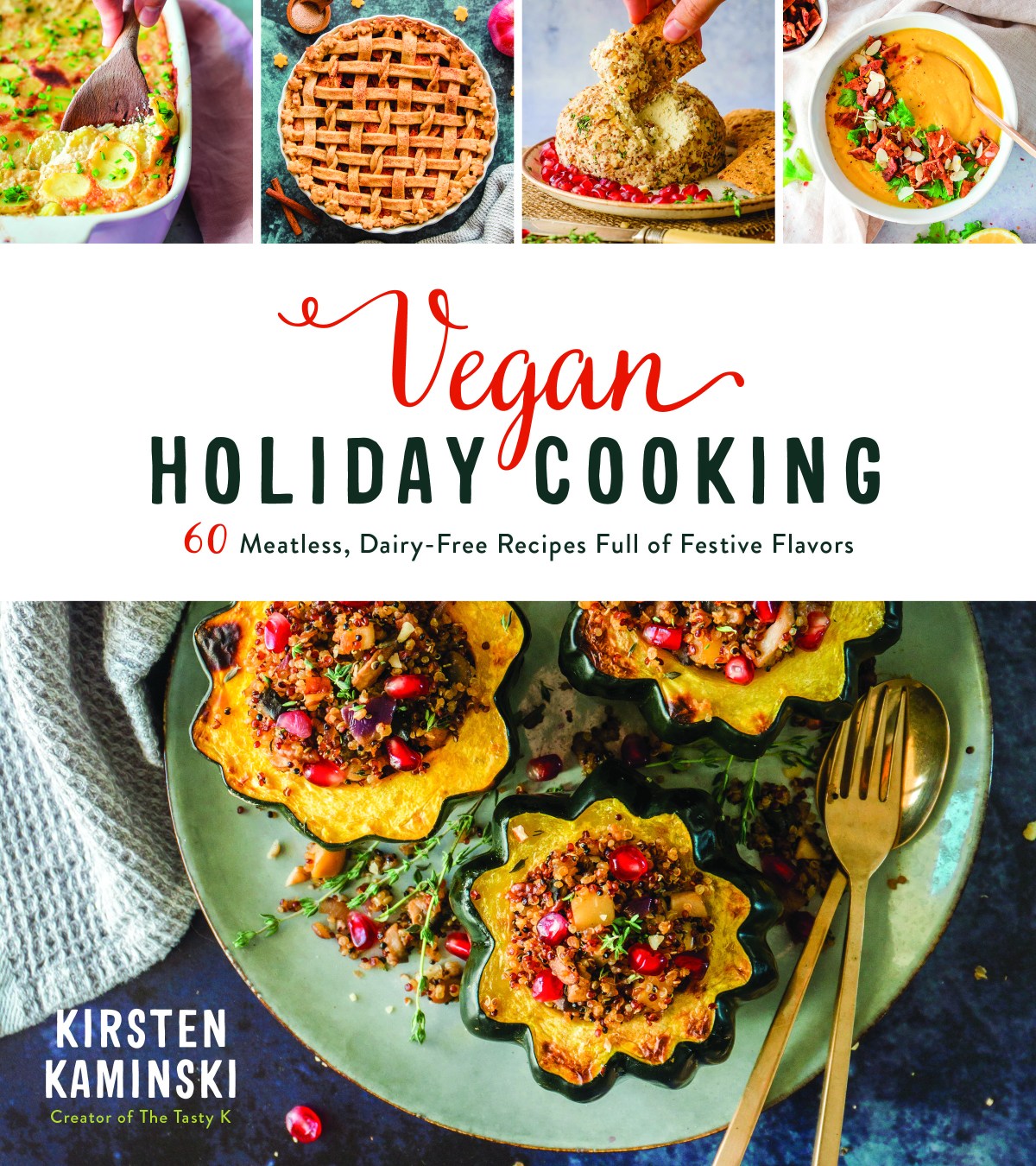
Vegan Holiday Cooking cover
Reprinted with permission from Vegan Holiday Cooking by Kirsten Kaminski, Page Street Publishing Co. 2019. Photo credit: Kirsten Kaminski

Holidays – gatherings of family and friends full of high spirits (and often actual spirits) and joy, occasional awkwardness, sometimes even friction and frustration. Although they come and go, ebb and flow year round, winter is the time when many of these gatherings come in quick succession for some of us. In the US, Halloween (end of October), is quickly followed by Thanksgiving (end of November), quickly followed by winter holidays of a religious and non-religious kind that stretch into January. That’s a lot of get togethers!

And each one of these holidays comes with a traditional feast – a huge meal to share and enjoy. What’s on the menu varies from a holiday to a holiday, and from one family to the other. What doesn’t vary as much is the dominance of meat in these meals. In many cultures (Serbian for example), religious people observe lent for six weeks before Christmas Day (January 7th), where the only animal food they are permitted to eat is honey and fish. They break the lent on January 7th usually with a pig roast! And this repeats for Easter, when the lent is broken on Easter Sunday with lamb roast.

With similar holiday food attitudes entrenched in many cultures, it becomes very difficult to be a plant-based eater over the holidays. My social media feeds are filled with people either frustrated about the lack of vegan options during the holidays, or anxious about social penalty that they will have to pay for not fitting in. Plus: with many gatherings now expecting you to bring food to share, people on plant-based diets often wonder what to bring that others will enjoy!

I am first to admit that some vegan recipes include ingredients that I’ve never encountered before I switched to plant-based diet, so I can appreciate that if I was to tell someone that they are eating nutritional yeast or flax meal, they may look at me funny. That’s why I try to keep my shared holiday meals simple, and based on common ingredients. This is probably the reason why I enjoyed the stuffing recipe below – it’s simple, it’s rustic and it’s appropriate to bring to any holiday gathering. (For another stuffing recipe option that includes apples, mushrooms and chestnuts see here.)

The recipe comes courtesy of a recently published cookbook “Vegan Holiday Cooking” by Kirsten Kaminski, creator of The Tasty K, a food and travel blog. Kirsten has assembled a nice collection of 60 festive recipes that are made to impress. They look great, they sound inviting, and they are prefect for sharing. She includes everything you need to host a party – ideas for appetizers, soups, main course, drinks and, of course, desserts, lots of them!

May of the recipes in this cookbook are things that people expect to see served at the holiday table, like the stuffing – but they’ve been reimagined and upgraded to fit a more modern palette, and to incorporate only plant-based ingredients. That is not to say that there isn’t any indulgence to be had – quite the opposite! Here, again a little indulgence goes a long way, and I appreciate how Kirsten balances a lot of good for you foods, with just a bit of naughtiness. One of the recipes I made for our Thanksgiving feast this year was her Mushroom Bourguignon, and red wine (which I view as a bit on a naughty side) made all the difference. It was delicious!

All in all, “Vegan Holiday Cooking” is a helpful cookbook to have a around year-round. Enojy!

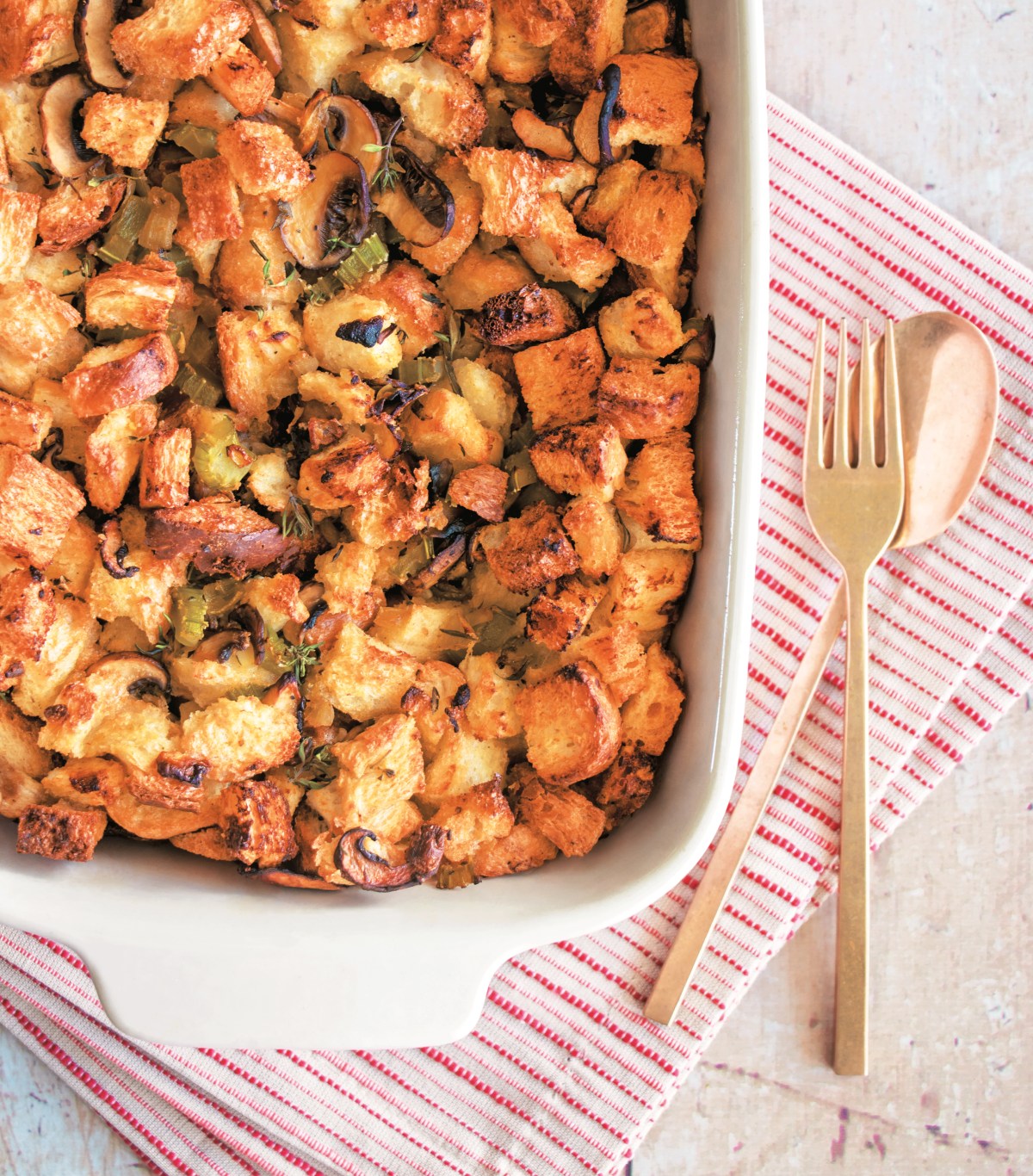
Sourdough Bread Stuffing

Reprinted with permission from Vegan Holiday Cooking by Kirsten Kaminski, Page Street Publishing Co. 2019. Photo credit: Kirsten Kaminski

SOURDOUGH BREAD STUFFING

This classic Thanksgiving side dish is incredibly easy to make yet full of vegan-friendly flavor. It has a subtle zing in every bite and is very hearty, satisfying and oh so filling! Stuffing is such a popular dish that it’s usually the first one to run out at the holiday table, so make sure
to pile on enough of this “just like grandma used to make” stuffing!


YIELD: 6 to 8 servings

8 cups (350 g) sourdough bread, cubed (or any other bread)

3 tbsp (42 g) vegan butter or 3 tbsp (45 ml) olive oil

1 medium white onion, roughly chopped

2 to 3 medium ribs celery, thinly sliced

4 cloves garlic, minced

1 tbsp (3 g) finely chopped fresh sage

1 tbsp (3 g) finely chopped fresh thyme

2 cups (150 g) thinly sliced cremini mushrooms

2 to 3 cups (480 to 720 ml) vegetable broth

Salt and black pepper, to taste

Preheat the oven to 350°F (175°C) and line a large baking sheet with parchment paper. Grease a 7×10–inch (18×25–cm) baking dish.

Spread the bread cubes out evenly on the prepared baking sheet. Toast the bread in the oven for 10 to 15 minutes, flipping it halfway (being careful not to let it burn). Increase the oven temperature to 375°F (190°C) and place the toasted bread cubes in a large bowl.

Heat the butter in a large saucepan over medium heat. Add the onion and celery and sauté until they are translucent, 4 to 5 minutes. Add the garlic, sage and thyme and sauté for 2 minutes. Add the mushrooms and a
splash of the broth and cook for 5 to 7 minutes, until the mushrooms are soft and their moisture has evaporated somewhat. Add the mixture to the bread cubes and combine with a spoon.

Transfer the bread mixture to the prepared baking dish. Pour the remaining broth over the bread mixture and carefully combine, until the bread is just saturated—not too wet and not dry. Season with the salt and black pepper and bake for 30 minutes, until the top of the stuffing is crunchy. Let the stuffing cool slightly and serve.

Reprinted with permission from Vegan Holiday Cooking by Kirsten Kaminski, Page Street Publishing Co. 2019. Photo credit: Kirsten Kaminski
Disclaimer: I received a free copy of this cookbook and no other compensation for this post. The views expressed above are my own and authentic.

Gluten-free and Oil-free Pumpkin Cookies

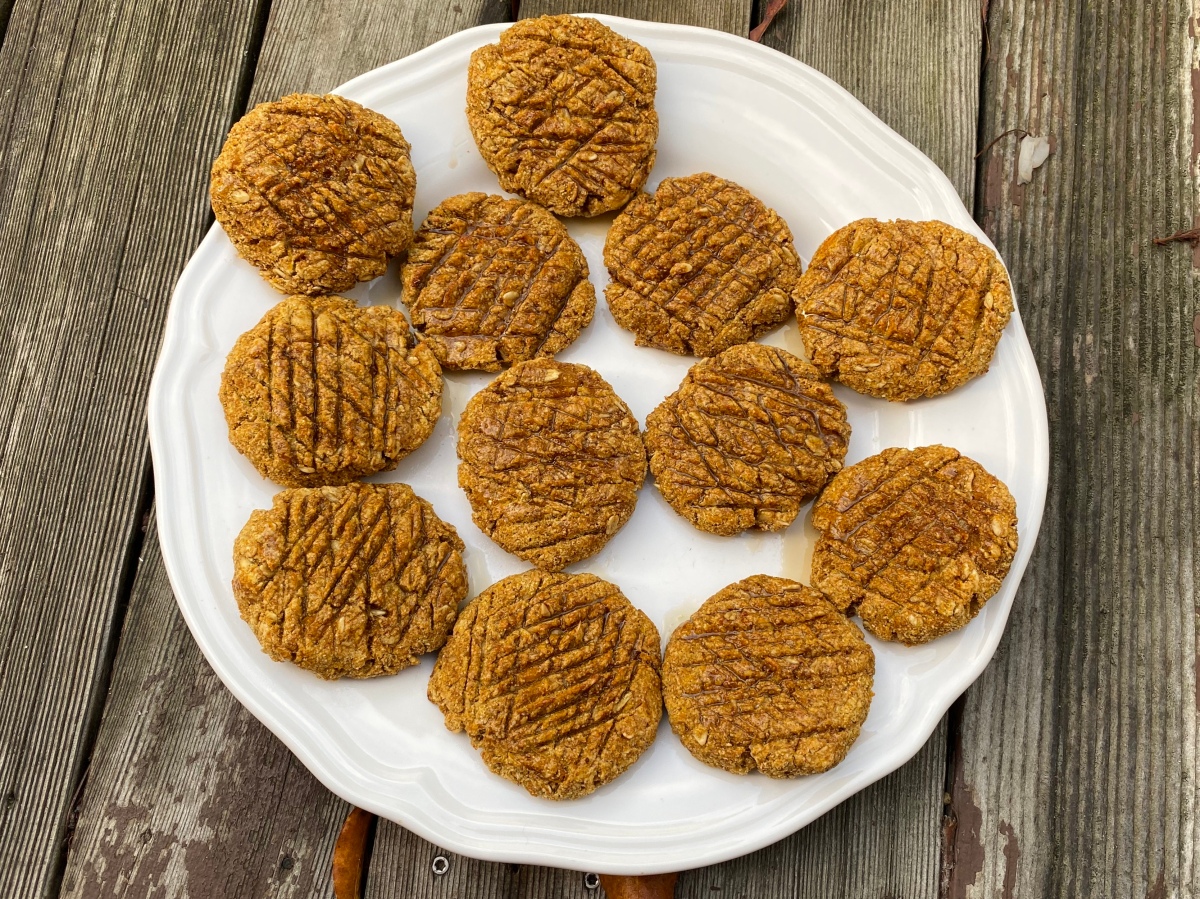
Gluten-free Pumpkin Cookies
Gluten-free Pumpkin Cookies, via Eat the Vegan Rainbow

Looking for something easy and healthy to make for the holidays? Look no further than these super simple and super healthy cookies. They are full of pumpkin – and we all know that this is the pumpkin season – and are completely and naturally gluten-free. The combination of oats, coconut flour and almond flour does not really need backing and you could mix them all together, let the mix stand, and form the cookies as is. So, if you are into raw food, or minimally processed food this could be a path you take.

Baking the cookies does enhance the flavors, and that’s worth keeping this in mind. Baking also makes all the spices develop and merge. A combination of cinnamon, ginger and cardamom really blooms when heated up! At the end, baking the cookies will give you a more aromatic kitchen and platter.

What will also enhance the flavors is roasting your own pumpkin. (So, I guess not everything will be as a raw as possible since I am not sure you can use raw pumpkin – I have never tried and I am not even sure that it can be done!). Roasting the pumpkin is super easy – you don’t even need to peel it, just slice it in half, scoop out the seeds and place the pumpkin halves on a baking sheet, cut side down and roast at 425 F (220 C) for 45 minutes or so. It also helps to line the baking sheet with some foil or parchment paper – this helps the roasting and the clean up!

After the pumpkin is roasted, all you need to do is scoop the flash and purée, either in a food processor or using a masher. Food processor will make everything much smoother, but if you prefer your a more rustic pumpkin hands or a masher will do.

Enjoy!


Gluten-free and Oil-free Pumpkin Cookies

What you’ll need:

  • 1 15 oz (425 g) can pure pumpkin (not pumpkin pie filling) or 15 oz (425 g) roasted sugar pumpkin, puréed
  • 1 cup old fashioned oats
  • 1/2 cup coconut flour
  • 1/2 cup almond flour
  • 1/4 cup sugar (or solid sweetener of your choice)
  • 2 teaspoons cinnamon
  • 1 teaspoon cardamom
  • 1/2 teaspoon ginger
  • Optional: 1/4 cup maple syrup, for brushing

What you’ll do:

  1. Preheat the oven to 350 F (175 C).
  2. Combine all the ingredients in a large food processor. If you don’t have a food processor that’s large enough, you can either process in batches or process pumpkin and oats well and then just mix in the rest of the ingredients (except the optional maple syrup) by hand.
  3. Line a large cookie sheet with parchment paper.
  4. Use an ice cream scoop to measure out the amount for each cookie, than form a round and flat shape and place on the parchment paper. This amount of batter should yield about 12-14 cookies.
  5. Cross-hatch the surface of each cookie.
  6. Bake for 18-23 minutes. Cookies will be lightly browned but stay soft.
  7. Let the cookies cool for 15-20 minutes before brushing with maple syrup. You could skip this step, but why would you want to do that? Enjoy!

Copyright © Eat the Vegan Rainbow, 2019

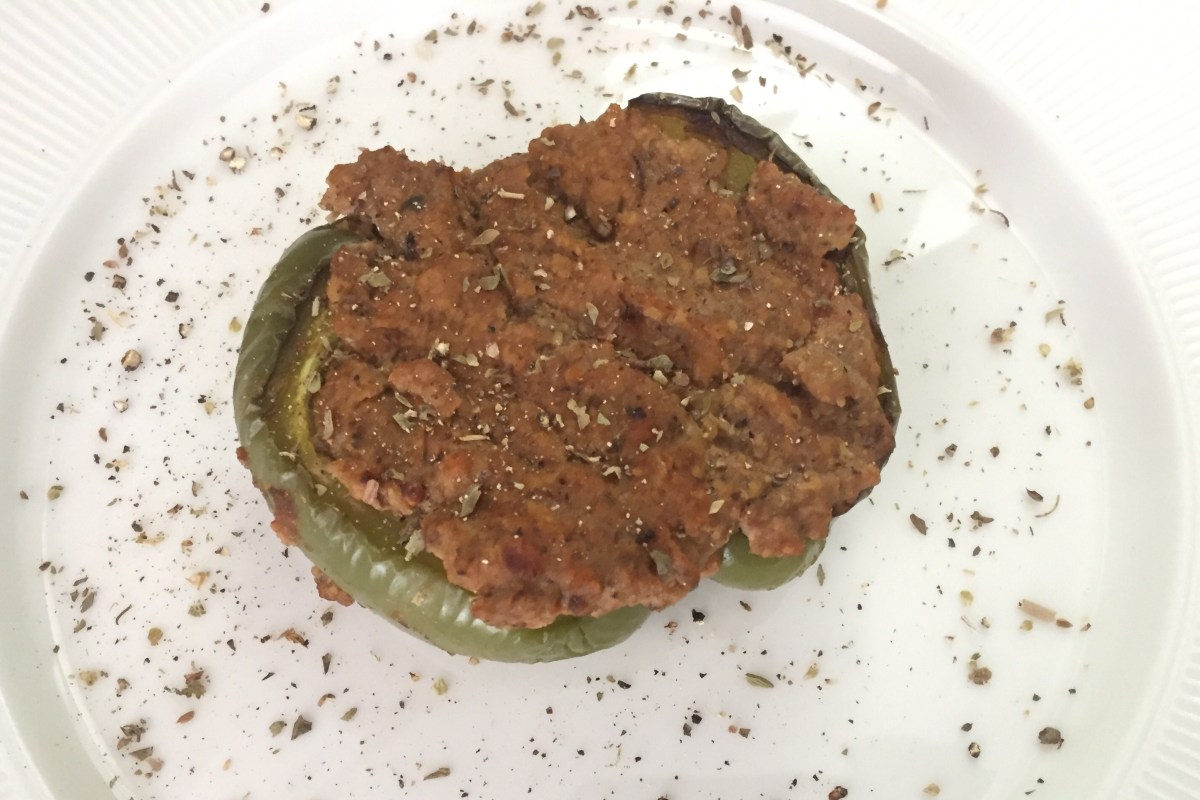
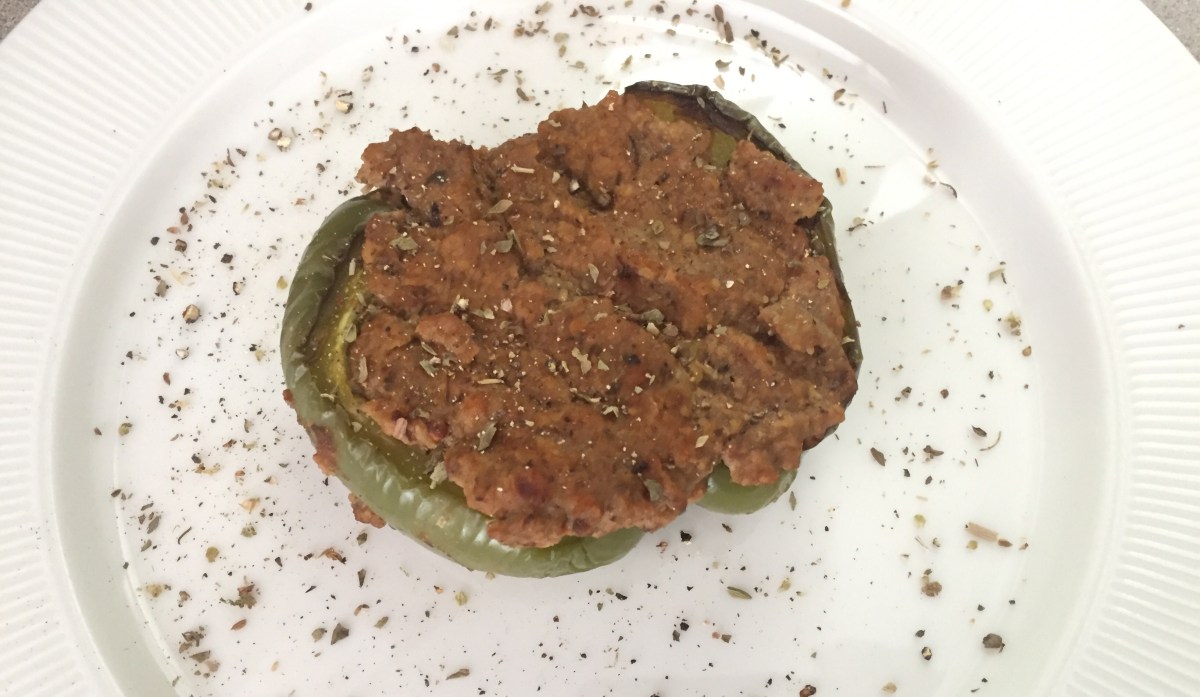
Tempeh Stuffed Peppers

Tempeh Stuffed Peppers
Tempeh Stuffed Peppers, via Eat the Vegan Rainbow

Nice, big bell peppers are perfect for stuffing, which makes them versatile. There are numerous types of stuffing you can choose from, and I’ve shared a couple in the past, like a simple rice based stuffing with pistachios, and one using a homemade beef substitute.

No matter which stuffing you choose there is one big tip for making the best stuffed peppers that are soft yet flavorful. I recommend that you par-roast the peppers (that’s like par boil but with roasting). The bell peppers I grew up with were less thick and if the peppers you get have thin flesh, this tip will not apply. But, here in US bell peppers are large and thick, and if you are to start from raw peppers that you stuff and roast you may end up with a pepper that is chewy and a bit rubbery. After some experimentation, I discovered that par-roasting the peppers before stuffing helps with all these issues.

What do I mean by par-roasting? It means roasting the peppers at high heat until they are only half way done, then using them in the rest of the recipe. The roasting will also help add a bit of a flavor to the peppers as their edges will brown. The pepper will finish cooking with the rest of the stuffing and be nice, soft and full of flavor.

I recommend slicing the peppers length-wise. That creates a nice boat to hold the stuffing. Also: when roasting the peppers I place them cut side down on the pan. This prevents liquid from pooling inside your pepper-boat, keeping the peppers dry and not mushy.

Now onto the stuffing. The key ingredient of the stuffing here is tempeh. Tempeh is made of soy, but unlike tofu it retains the whole grain, and it is dense and hard. If you want to soften the tempeh a bit you can place it into a pot of boiling water for a minute or two, but for this stuffing you don’t need to do that. By the way, tempeh is great for summer grilling, and as an ingredient for a fantastic taco filling!

The stuffing also uses sautéd onion and mushroom mix. I recommend sautéing these ingredients as I find raw onions hard to digest and sautéd mushrooms are much more flavorful. The recipe below also uses capers – pickled flower buds of the caper bush. Capers have a strong flavor and if you never head them before you may want to try a few before using them or if you can’t find them in the store where you live you can always add 1/4 cup of black or other olives. That will help boost the flavors as well.

The recipe also uses nutritional yeast. Nutritional yeast adds a bit of a nutty and cheese flavor to the dish and if you are looking for ways to substitute for nutritional yeast one suggestion I can make is to use some ground nuts, like almonds. Or you can use marmite or vegemite, which are both made from yeast extract that’s left over from brewing beer. A spoonful of miso paste may also work – but nutritional yeast will work best, so it’s worth tracking some down.

The stuffed peppers are best enjoyed with some sour cream or just a bit of melted cheese on top, and perhaps a simple side salad. That’s all you’ll need!

Tempeh Stuffed Peppers

What you’ll need:

  • 4 bell (stuffing) peppers (any color)
  • 8 oz (227 g) white button mushrooms or cremini (baby bella) mushrooms
  • 1 yellow onion, diced
  • 2 8 oz (227 g) packages of tempeh (plain a.k.a. original will work best)
  • 1/4 cup nutritional yeast
  • 1/4 cup capers (can be substituted by black or green olives, but not stuffed olives)
  • 2 tablespoons soy sauce
  • 1 tablespoon dried oregano
  • 1 teaspoon garlic powder
  • 1-2 tablespoons olive oil
  • Cooking spray

What you’ll do:

  1. Preheat the oven to 425 F (220 C).
  2. Line a large baking sheet with parchment paper or some aluminum foil.
  3. Wash the peppers, dry them, then cut them in half lengthwise. Remove the stem and seeds. Place the peppers cut side down on the baking sheet. Put in the oven and roast for 15 minutes. The peppers should be moderately soft but not roasted all the way through. Take the peppers out and let them cool.
  4. Lower the oven temperature to 350 F (175 C).
  5. While the peppers are cooling, prepare the stuffing. First, place a frying pan over the medium-high heat, add the oil and diced onion. Sauté the onion until soft and slightly yellow on the edges (4-5 minutes), then add the mushrooms. Mix well and continue to sauté until mushrooms are done (an additional 4-5 minutes).
  6. Place the tempeh, sautéd onions and mushrooms, nutritional yeast, capers, soy sauce and spices into a large food processor and process until well combined and mostly smooth. If you don’t have a large food processor you will need to do this in batches in which case mix everything together in a large bowl then process bit by bit.
  7. Drain any liquid out of the semi-roasted bell peppers and place them hole side up into a deep baking dish. Spoon out the stuffing evenly among the peppers. Spray the tops with some cooking spray, cover with foil and bake for 25 minutes. Remove the foil, increase the heat to 375 F (190 C) and let the tops brown for another 10 minutes.
  8. Let the peppers cool for couple of minutes before serving. These are great with some sour cream on top or with a light salad. Enjoy!

Copyright © Eat the Vegan Rainbow, 2019