5 Must-try Recipes for Beginner Vegans

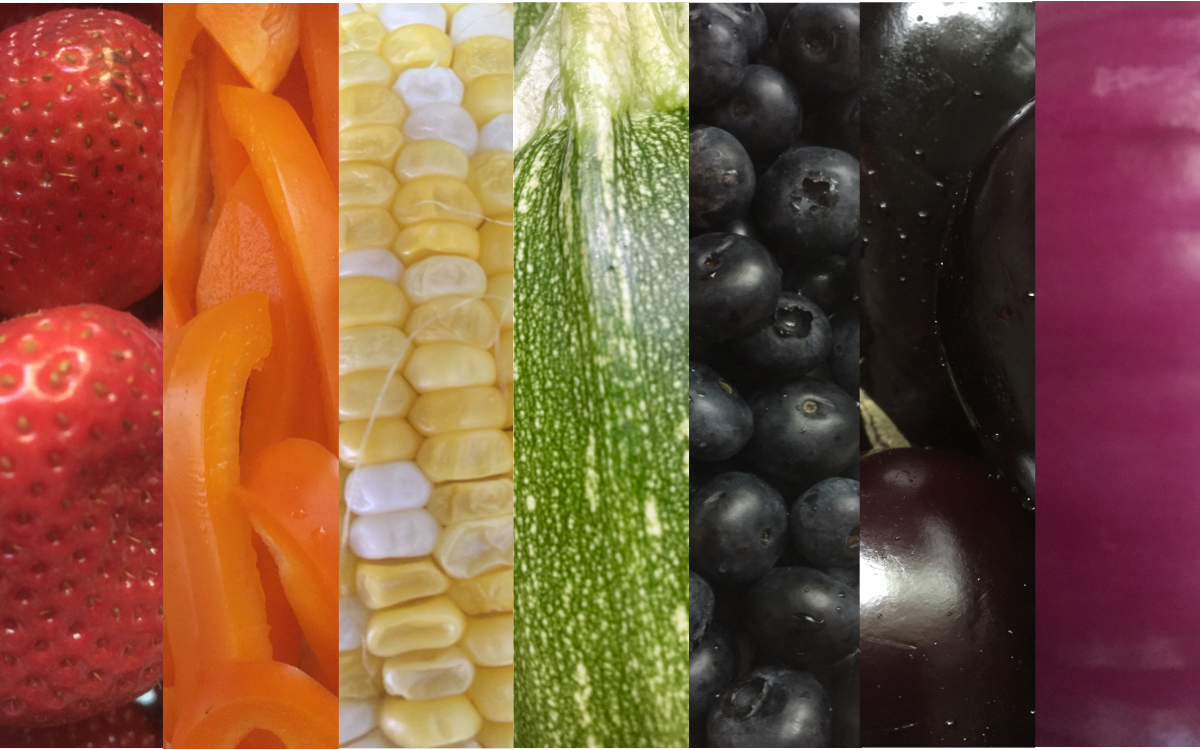
Rainbow of Fruits and Veggies
Rainbow of Fruits and Veggies, via Eat the Vegan Rainbow
Half a year ago I made a decision to ditch meat, and dairy, and eggs, and honey, and fish, and seafood. What I was left with was a whole bunch of plants that all of a sudden went from being a side dish to being the star ingredients of everything I was cooking.

Six months in I have to admit that cooking have never been more fun. Every single recipe is still an adventure because it offers an opportunity to experiment and challenge my preconceived views of what a dish should look and taste like. Additionally I have also discovered that many others are curious about plant-based eating and interested in learning more how to replace meat and cheese in their diets. I never expected that sharing my experiences and cooking tips and tricks would be so enjoyable but it is! I love blogging about the recipes I develop and I love engaging with those interested in vegan cooking techniques and strategies.

So, in observation of World Meat Free Day today, I wanted to help anyone who is still thinking whether to take the plunge into plant-based cuisine waters and share five recipes that will make your transition much smoother. These are the recipes that changed my views of what plants can do, and I hope they’ll help you as well!!!

  1. Tofu Bacon – this recipe is so fantastic that you may want to make a double batch as one will not last long. Shared by The Buddhist Chef, this recipe not only tought me how to make crispy tofu, but introduced me to liquid smoke, an ingredient that I know use all the time, especially when grilling as it gives grilled food, like this Grilled Eggplant, an extra edge.
  2. Cashew Cheeses – I approached cashew cheese with disbelief but recipes like this Easy Garlic & Herb Vegan Cheese, developed by Minimalist Baker, and this Cashew Ricotta Cheese, by Simple Veganista, completely changed my mind and my pallet. They also introduced me to nutritional yeast, something I know use pretty regularly for that pleasant cheese flavor.
  3. Jackfruit Carnitas Tacos (Pulled Pork Tacos) – this recipe by The Edgy Veg opened my eyes to the world of jackfruit, a fruit (or a vegetable, not sure which) that I’ve never heard of before. It turns out jackfruit is an absolute must have ingredient for vegan cooking and my crab-less Jackfruit “Crab” Cakes remains one of my favorite things to make and eat!
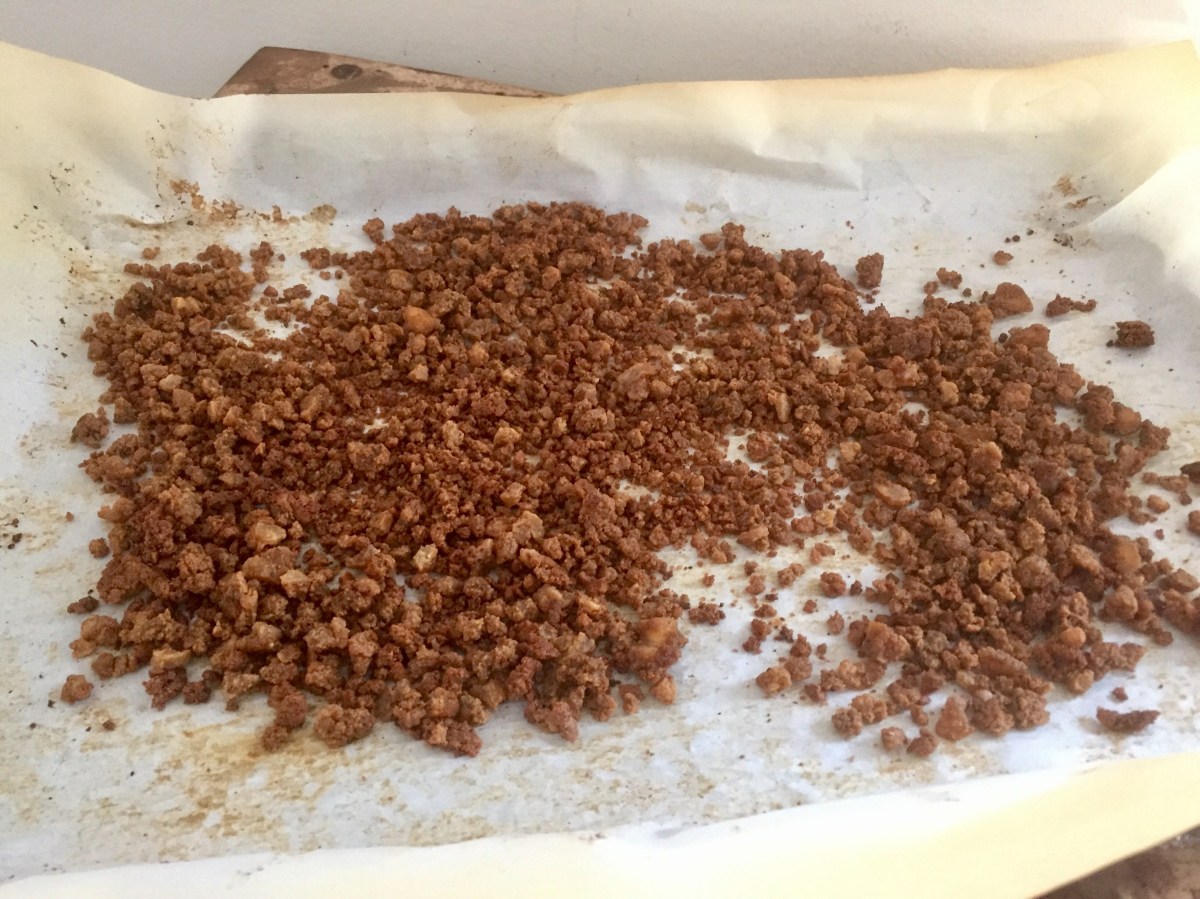
  4. Vegan Substitute for Ground Beef – this recipe by Glow Kitchen has been truly transformative as it convinced me that homemade meat substitutes are feasible, tasty, and super affordable, thus definitely worth an effort.
  5. Healthy Chocolate Pudding – this was the first vegan dessert I made and I am still amazed that some brave soul at some point said to themselves: “Enough is enough – I am putting avocados and bananas together and lets see what happens!”. Credit for this recipe goes to Whole Foods Market.

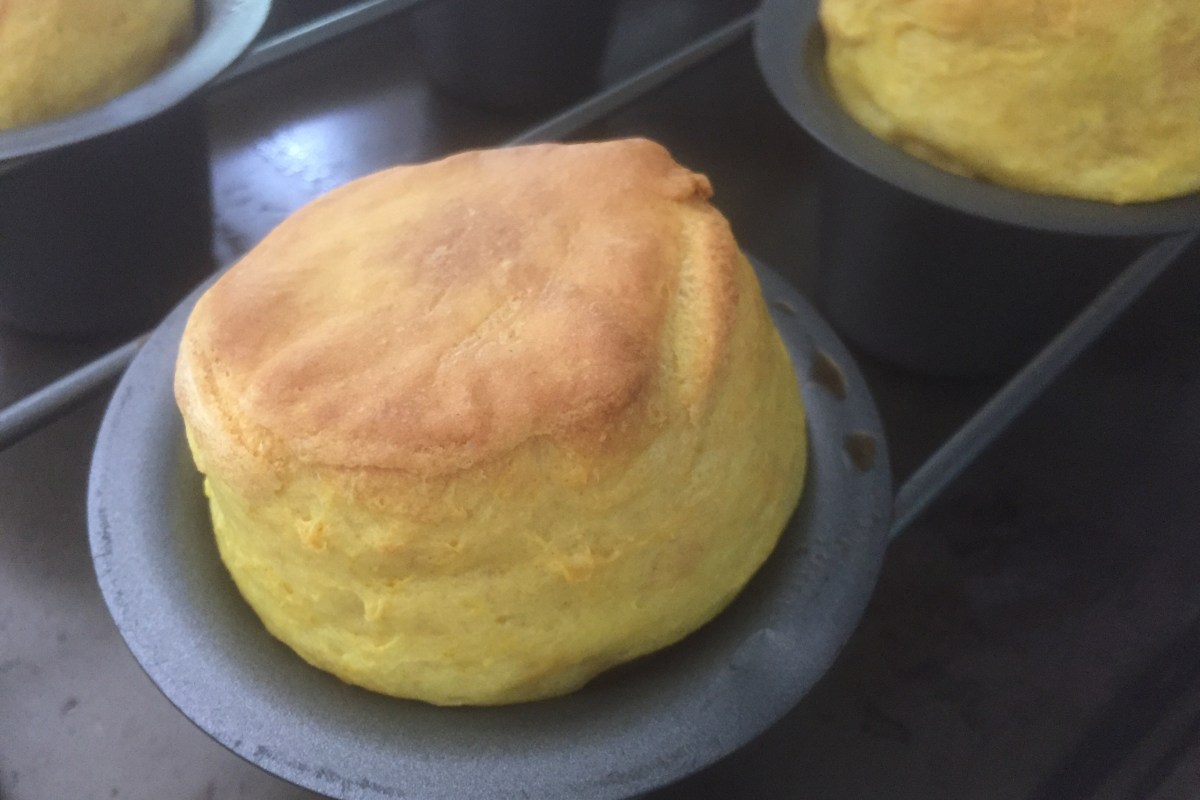
All in all, the most important thing you should do in order to be a great vegan cooking success is to keep an open mind. As these five examples show vegan recipes combine unexpected ingredients so don’t talk yourself from trying just because you were not raised eating jackfruit or combining bananas and avocados. For example, my most unexpected recipe is Vegan Popovers – who knew popovers don’t need milk or eggs?

Happy World Meat Free Day and enjoy your plant-based existence!!!


Copyright © Eat the Vegan Rainbow, 2017

Blueberry Cheesecake 2.0, a Real Space-Age Treat

Vegan Blueberry Cheesecake
Vegan Blueberry Cheesecake, via Eat the Vegan Rainbow

First time I had cheesecake I was twenty five! Yes, it’s true – I spent the first twenty five years of my life in a blissful ignorance, completely unaware that cheesecakes existed. But, soon after moving to US I did partake on a slice and fell in love immediately and over the years things just better and better.

First of all, cheesecakes are easy to make. They are also very versatile because you can customize them in many different ways. I used to make pumpkin cheesecake topped with baked apples and pecan caramel for Thanksgiving because pumpkin pie is sort of boring.

My other favorite cheesecake I used to make was plain vanilla topped with homemade blueberry syrup. So one night, as I was making myself a light dessert of blueberry smoothie, I got inspired to try and make Cheesecake 2.0 – the 21st century version that is dairy-free, gluten-free, and egg-free.

Being the space age type of dessert, this recipe uses an ingredient that you can’t find in a grocery store: agar powder. Chemically speaking, agar is a sugar polymer and I’ve used it a great deal to make many, probably thousands, of agar plates in Petri dishes, which I then used to grow bacterial cultures. (For those interested in the source, agar is isolated from algae (seaweed), so although not of plant origin, I think it is safe to say that definitely plant-like in many ways and not animal-derived.)

So, when I discovered that agar has a culinary application I was skeptical. But when I thought about what I need agar to do – act as a jelling agent in the same way gelatin would – I concluded that my skepticism was not founded in reality and chemical facts but some silly prejudice. Thus, I bought a small jar of agar powder and I’ve been using it to make hard (and shreddable) cheese quite successfully. In this recipe I took agar powder a step further and used it as the firming agent for the cheesecake. It did the trick and the result was a yummy cake with excellent smooth yet firm texture.

Blueberry Cheesecake 2.0
Blueberry Cheesecake for the 21st Century, via Eat the Vegan Rainbow

Blueberry Cheesecake 2.0

What you’ll need:

FOR THE CRUST

1 cup walnuts

1 cup cashews

1 tablespoon brown sugar

1 tablespoon vegan Butter

FOR THE CHEESECAKE FILLING

2 cups blueberries, frozen

1/2 cup oatmeal

1 1/2 cup vanilla almond milk, unsweetened

4 teaspoon agar

2 cups water

What you’ll do:

  1. Use a grinder or a food processor to grind walnuts and cashews to a relatively fine meal.
  2. Pour the ground nuts into an 8 to 9 in (20 to 23 cm) round springform pan.
  3. Add brown sugar and mix well.
  4. Add melted vegan butter (30 sec in a microwave should be enough to melt this amount) and using your fingers mix the melted butter in so that all of your nut and sugar mix is moist. Press the mix into the bottom of the pan to form a crust. Set aside.
  5. In a large blender mix almond milk, blueberries and oatmeal until smooth.
  6. To prepare agar powder, bring 2 cups of water to boil and add the agar. Use a whisk to mix everything together lower the heat to simmer and keep mixing and simmering for 4 to 5 minutes.
  7. Add hot agar to the blender in small batches, 1/2 cup at a time. Pause to incorporate then add more until the entire amount of agar is incorporated.
  8. Pour the filling into the springform pan and use a spatula or a flat spoon to spread around and flatten the top.
  9. Refrigerate for at least 4 hours, best overnight.
  10. Pop it out of the springform pan, cut and serve as is, or with fruit and/or vegan whip cream. I made one from chickpea water (aquafaba), but you can make any one you like or skip it!


Copyright © Eat the Vegan Rainbow, 2017

Puffy Popovers of the Vegan Kind

Puffy Popovers of the Vegan Kind
Puffy Popovers of the Vegan Kind, via Eat the Vegan Rainbow

If you never had a popover before let me try to describe it to you: it is light as a feather and hollow, not actually fried dough but tasting as if the fried dough has decided to leave the deep frier and take a yoga breathing class to fill itself with air and become almost weightless. Popovers are a special breakfast treat to rejoice and enjoy, sprinkled with powdered sugar, with a spoonful of jam, or a handful of sliced fruit. Anyway you cut it they are amazing!

Popovers get their fluffy structure from lots of eggs, milk and butter, and their final elevated shape from a specially designed popover pan. Although popover pan may remind you of a muffin pan, which may lead you to believe that you can just your muffin pan to make popover, it’s best not to go there. I tried it, and it did not end well. So, you will need to get a real popover pan if you want to make the puffiest of popovers and there is not substitution for it!

But, is there a substitution for eggs, milk and butter? Of course there is! At first I was very skeptical that I can make popovers work by replacing basically the three quarters of ingredients that make popovers with vegan alternatives, but I did and it does!!!

My vegan, plant-based version is also very simple, with three main ingredients only: silken tofu, white wheat flour and unsweetened vanilla almond milk. To that you can add things like maple syrup, agave nectar or sugar, a bit more vanilla extract, a sprinkle of lemon, lime or orange zest, or cinnamon, for a sweet version, or stick with plain almond milk, a dash of salt and a sprinkle of dry basil and oregano for a more savory version. The basic batter is flexible and customizable, so feel free to make these popovers your own. Of course, you can always stick with the basic batter and add layers of flavors with condiments like jam, nuts, fruit, cashew sour cream, or macadamia nut queso fresco.

The main trick to making perfect, puffy popovers is to preheat the popover pan by itself before pouring in the batter, and then add the batter when pan is scorching hot and sizzling. Then bake the popovers at high temperature for a short period of time, lower it down and leave them to make for a while. I add an extra step where I decrease the temperature gradually so my popovers spend fifteen minutes at 425 F (220 C), then 20 minutes at 375 F (190 C) and finally another 10 minutes at 350 F (175 C). This helps them puff up and then cook through to their final glorious heights.

Puffy Popovers all in the row
Puffy Popovers all in the Row, Eat the Vegan Rainbow

Puffy Popovers

What you’ll need:

16 oz (454 g) silken tofu

1 1/2 cup unsweetened vanilla almond milk

1 1/2 cup flour

1 tablespoon vanilla extract

1 teaspoon turmeric (optional; for color only)

Salt, to taste (h/t to Pamela who left a helpful comment re adding a pinch of salt)

Cooking spray

What you’ll do:

  1. Preheat the oven to 425 F (220 C). Once preheated, place the popover pan in for 15 minutes to get sizzling hot.
  2. Drain excess liquid from tofu but don’t press. Place the tofu, almond milk and vanilla extract into a blender and blend on high until smooth.
  3. Add flour 1/2 cup at a time and blend well. Add turmeric if you like to give your batter a bit of a yellow tint and make it visually more egg-like. Mix everything well. The batter consistency should be similar to American pancakes (a bit denser than crapes).
  4. Wearing good oven mittens, take the popover pan out, spray with cooking spray, and pour the batter in, about 2/3 of the way. Place the popover pan on the baking sheet (to minimize splatter) and put it in the oven.
  5. Bake at 425 F (220 C) for 15 minutes, then lower the heat to 375 F (190 C) for 20 minutes and finish at 350 F (175 C) for an additional 10 minutes.
  6. Take out the oven and let cool for 10 minutes. The finished popovers should slide out the pan with ease.
  7. Enjoy warm as is, or with any topping you like!

Copyright © Eat the Vegan Rainbow, 2017

Oh My… It’s Another Meatless Shepherd’s Pie

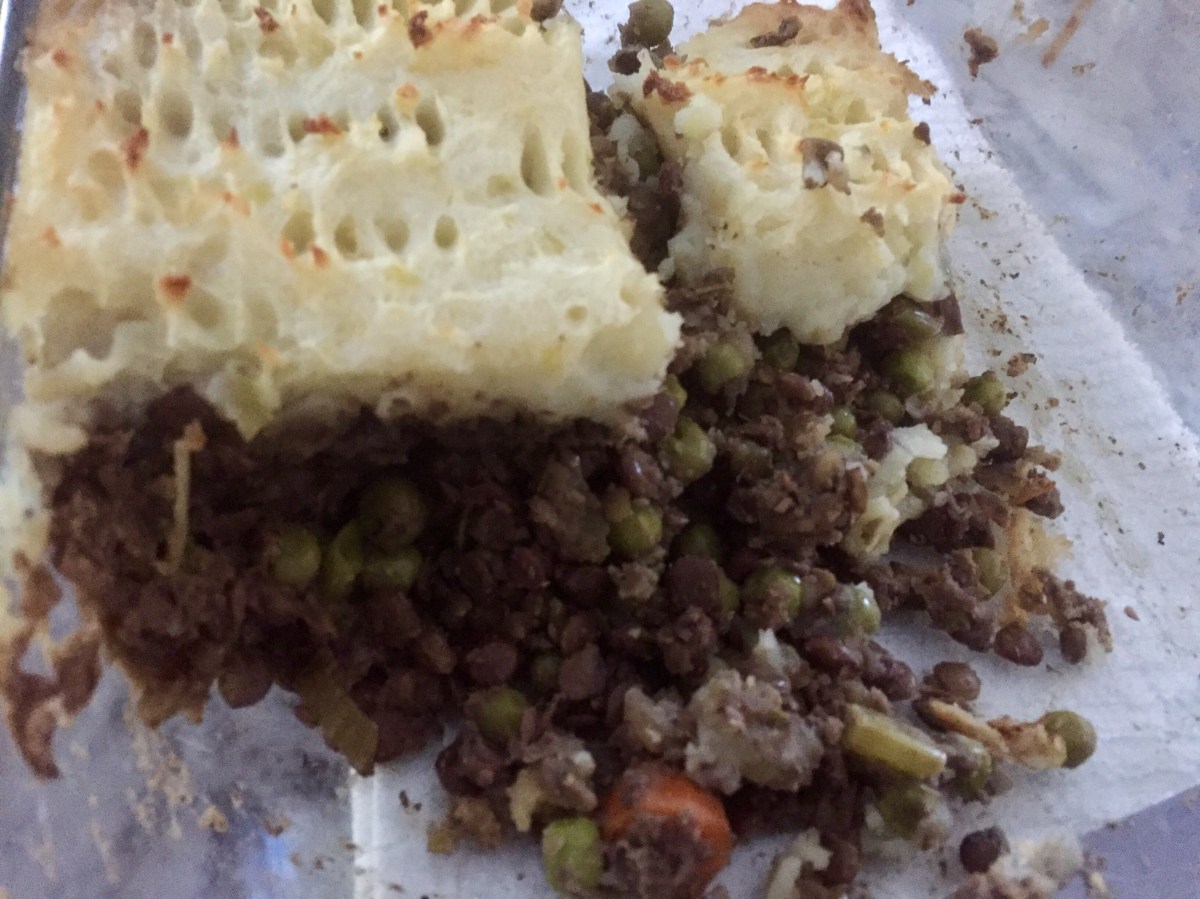
Meatless Shepherd’s Pie, via Eat the Vegan Rainbow

The first full meal post on this blog was my version of that classic, Shepherd’s Pie. The reason I kicked things off by veganizing a classic was that I wanted to push the limits and see if I can do it and be happy with the results. At that point I was one month into plant-based diet, and felt that I need to step it up in terms of how I create my meals. That’s a quick story behind the first Vegan Shepherd’s Pie.

Once that recipe was published I did get some backlash from people who firmly believed that a Shepherd’s Pie without meat is an abomination. I obviously don’t agree and have now created another version of Shepherd’s Pie that is so close to the original that very few people will know the difference. I served this for Easter Sunday dinner few weeks ago, and it was a hit!

The three main tricks I used are to fully cook the lentils on their own in water, to use full sprigs of rosemary without chopping, and to grind the mushrooms in the food processor before using. All these three things put together make this Shepherd’s Pie taste very, very similar to the ground lamb containing version. Except that this recipe leaves the lambs alone – which can’t be bad, right?


And if you are not concerned about the well-being of lambs much, perhaps you’ll find the health benefits of this recipe or its budget-friendliness more appealing. Regardless of your reasons, I hope you find at least one to compel you to try this meatless Shepherd’s Pie. Enjoy!!!

Meatless Shepherd’s Pie

What you’ll need (for 8 HUNGRY people):

14 oz (400 g) dark (brown) lentils

4 large carrots, chopped

5 celery stalks, diced

1 onion, diced

20 oz (570 g) mushrooms

3-4 sprigs of rosemary

2 tablespoons thyme, chopped

4 cups green peas, frozen

6 potatoes, medium size

3 cloves garlic

1/4 cup almond milk

2 tablespoons olive oil

Cooking spray

What you’ll do:

    1. Cook lentils according to bag instructions. In brief, for this amount of lentils you’ll need 4-6 cups of water that you need to bring to boil. Once the water is boiling add rinsed lentils in and simmer until lentils are done, which will take 20 to 25 minutes. Set cooked lentils aside.
    2. Peel and cube the potatoes. Put them in a large pot, and add the garlic cloves too. You don’t need to chop the garlic as it will soften during boiling and you will be able to mash it with potatoes. Cover the potatoes with water and bring to boil. Decrease the heat and boil until potatoes are cooked through. Take the pot of the heat, and let it cool off before mashing.
    3. Clean the mushrooms with a paper towel to remove any visible bits of dirt. Use a food processor to chop the mushrooms until they are about the same size as little bits of ground meat.
    4. Spray the bottom of a large frying pan with cooking spray and turn the heat on to medium high. Add onion,  carrots and celery. Sauté for 3 to 5 minutes.
    5. Add whole sprigs of rosemary and chopped thyme and stir everything together. Sauté for another 8 to 10 minutes.
    6. Add chopped mushrooms, stir well and sauté until mushrooms are softened, which should not take longer than 5 minutes.
    7. Add frozen green peas, and mix everything together.  You can lower the heat or turn it completely off as all you need to do now is mix the pie filling until the peas thaw.
    8. Take rosemary sprigs out and discard. Some of the leaves will fall off and that’s OK. Remove as many as you can but leaving some in will help the flavor develop further.
    9. Add cooked lentils and mix everything together. Set aside.
    10. Preaheat the oven to 375 F (190 C).
    11. While the oven is preheating, mash the potatoes. To the pot of boiled potatoes that have been drained and cooked, add almond milk, olive oil and mash using a potato masher until the mashed potatoes are soft and smooth. You can always add more almond milk to get the consistency just right.
    12. Spay the bottom and the sides of a large baking dish with cooking spray. Pour the Shepherd’s Pie filling in and smooth out.
    13. Spoon the mashed potatoes over the top. Smooth out the mash and then using a fork create nooks and ridges. Spray the top with a bit more cooking spray and place in the oven for 15 to 20 minutes or until the potato topping is nice and browned.
    14. Serve with your favorite salad or even some vegan gravy. Trust me, this Shepherd’s Pie will leave you speechless!

Copyright © Eat the Vegan Rainbow, 2017

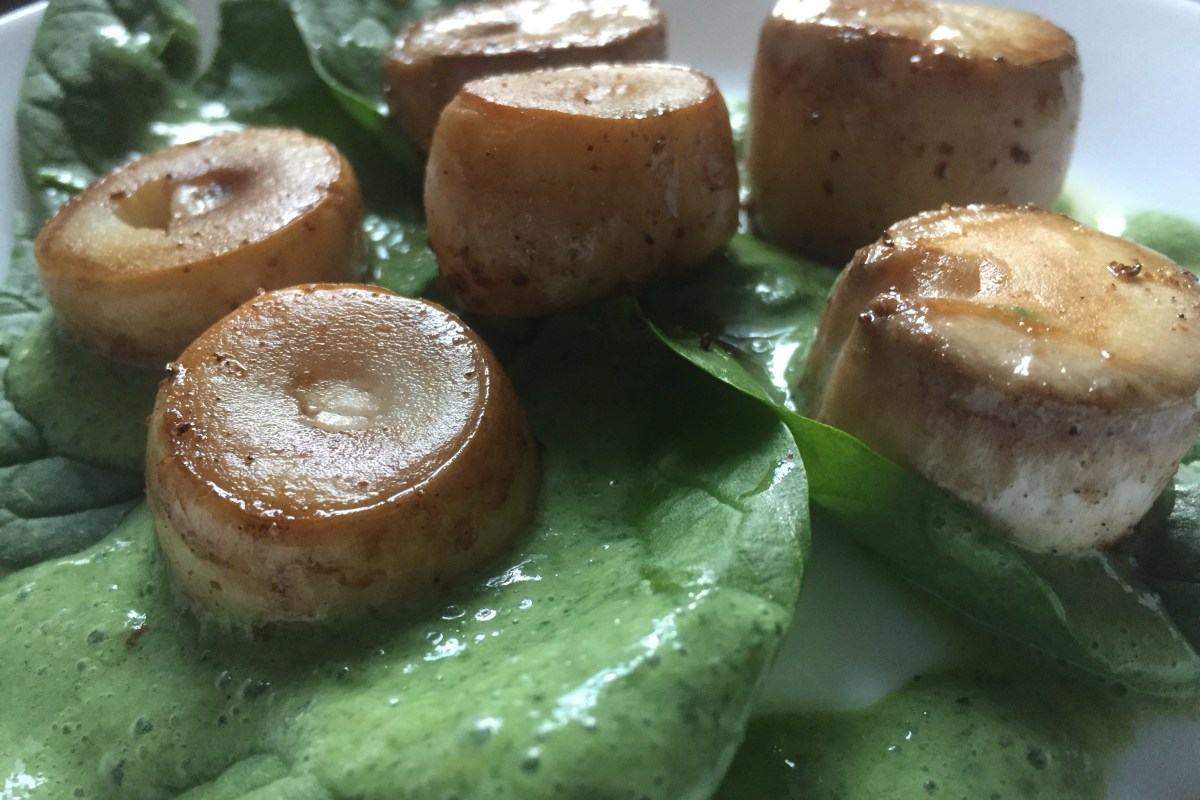
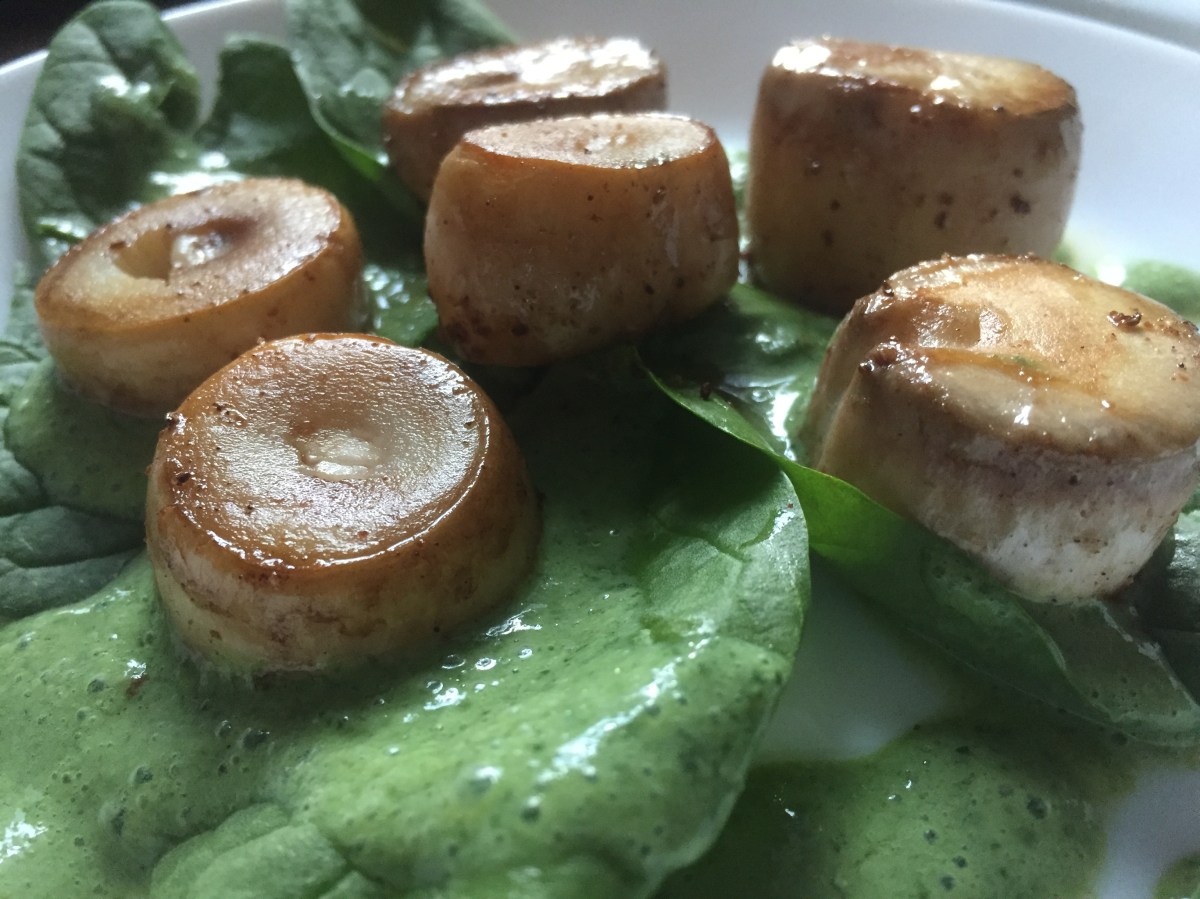
Mushroom “Scallops” with Cilantro Yogurt Sauce

Mushroom “Scallops” with Cilantro Yogurt Sauce, via Eat the Vegan Rainbow

“Waste not, want not” is how the saying goes, encouraging us to not to waste what we have and conserve resources. Well, I may be extrapolating here, but it is not a bad maxim to cook by, if not live by. I’ve been struggling for number of years now to find use for mushroom stems, especially the big, almost woody stems of large white button mushrooms. The caps are fabulous for stuffing, and I’ve already shared my Mashed Potato Stuffed Mushrooms with Cashew Sour Cream recipe, but stems are a bit trickier. I usually chop them up and combine them into the stuffing, or don’t even bother removing them if I use mushrooms in a soup or stew that will simmer for a while. However, big stems just don’t work well in some of the quicker recipes.

That’s why I got really excited when I found out that mushroom stems can be used as a sort of replacement for large scallops. For example, Cara, the person behind a fabulous blog called Fork & Beans, used king oyster mushrooms to make a “scallop” pasta. That got me thinking: why not use the large stems I got to create a vegan “scallop” dish?

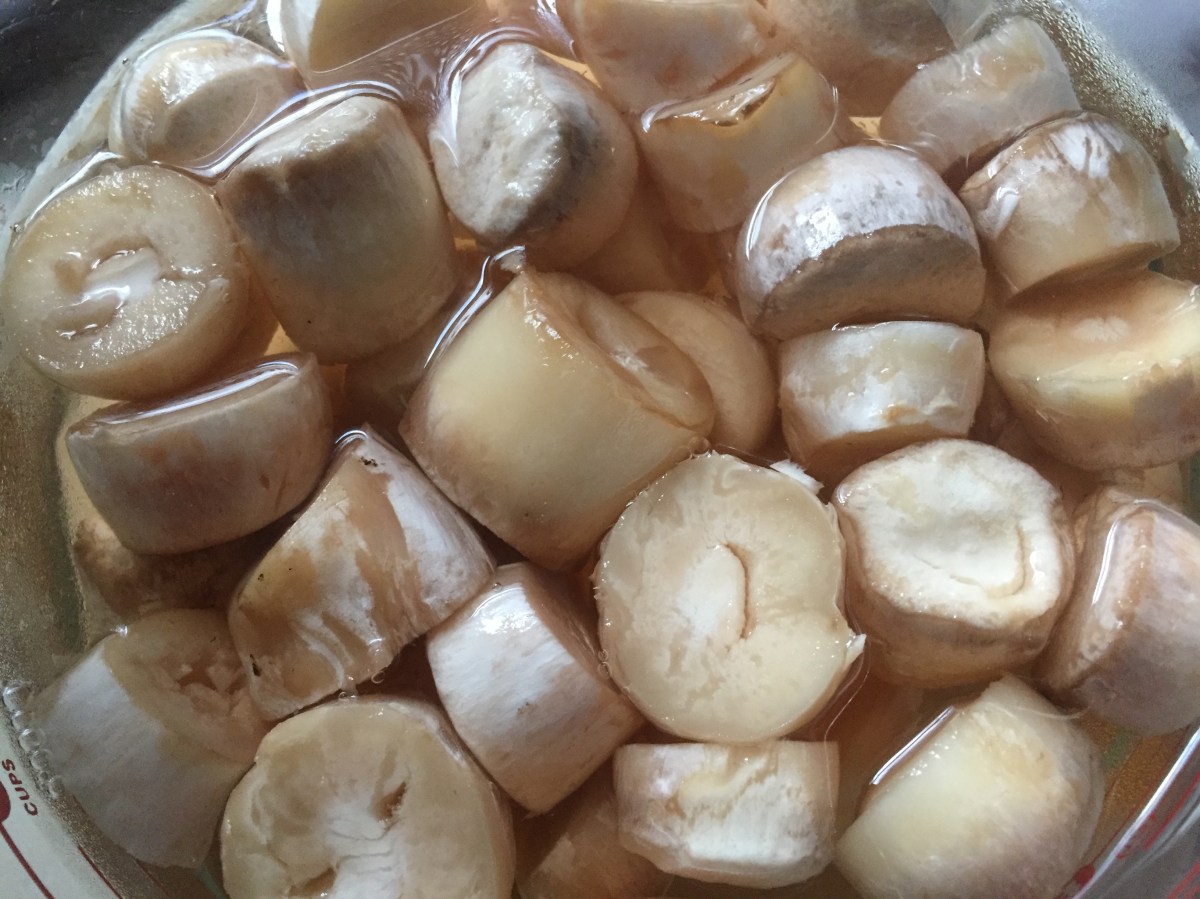
There is one major trick to transforming mushroom stems into scallops – you have to soak them in hot water 1-2 hours to overnight. I soaked my batch overnight, actually for almost 24 hours, which is totally an overkill but I just had other things to do the mushroom stems had to wait happily soaking in the refrigerator. The mushroom stems I had were pretty long so I had to cut each in half, so my scallops were about 1 in (2.5 cm) thick. That worked well in terms of cooking too! Before using, drain and dry your mushroom scallops.

Mushroom “Scallops” Soaking, via Eat the Vegan Rainbow

Another advice I can share is to make mushroom scallops the same way you would make scallops, which in my case means simply browning them on both sides, using a bit of oil or cooking spray and sprinkling with Old Bay Seasoning on one side as the first side is finishing cooking. The cooking itself takes no time at all: three to five minutes per side should do the trick!

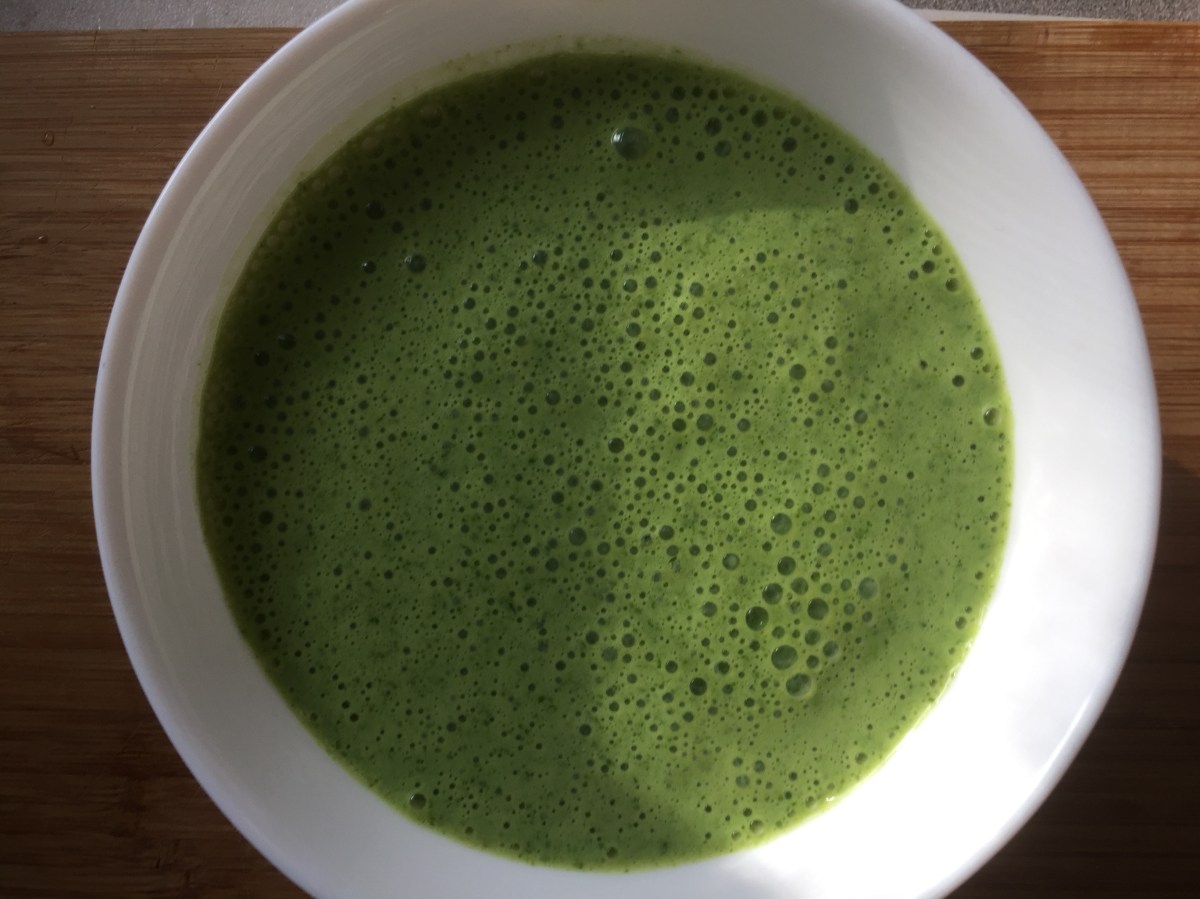
If you are serving the mushroom “scallops” as is, I suggest you sprinkle them with some lemon juice. I decided to serve them with a Cilantro Yogurt Sauce which I made from homemade soy yogurt, fresh cilantro, crushed garlic and lime juice. The homemade soy yogurt was simple to make and I recommend you try making your own, but if pressed for time store bought plain soy yogurt will do the trick. Here, the tangier the yogurt, the better the yogurt sauce so choose the brand with more tang – I can’t recommend any here because none of the store bought yogurts I tried were really all that good (thus the decision to make my own!). You can adjust the tang with adding a drop of apple cider vinegar or a bit more lime juice.

You can serve these mushroom “scallops”, and the sauce, with pasta or polenta, but I plated them as an appetizer over some fresh baby spinach leaves. The “scallops” were hot when plated, and their heat wilted the spinach a bit as well. I let them sit for few minutes before layering on cold yogurt sauce and serving immediately!!!

In case you were wondering, these don’t really taste like scallops but they are delicious and I love the idea so I will definitely be trying to get the flavor closer to the original, perhaps by trying a different mushroom variety.

Mushroom “Scallops” with Cilantro Yogurt Sauce

What you’ll need:

20 large white button mushroom, stems only

2-3 teaspoons, Old Bay Seasoning

1 cup plain soy yogurt, homemade

1 cup cilantro leaves (about 1 bunch)

2 teaspoon garlic, crushed

2-3 teaspoons lime juice

Baby spinach for plating

Cooking spray

What you’ll do: 

    1. Cut large white button mushroom stems into 1 in (2.5 cm) pieces. Soak in water overnight, or in hot water for 1-2 hours.
    2. Prepare plain soy yogurt according to the instructions on VegCharlotte site. The method I used takes advantage of a crock pot, slow cooker, but it does take at least 14 hours to make so give yourself enough time, or get a tub of store bought soy yogurt. So this recipe is a bit of an overnight flight and you’ll need to get the mushroom “scallops” and the yogurt going one day ahead.
    3. In a food processor, mix yogurt, cilantro, garlic and lime juice. Your yogurt might be more or less solid, mine was more of a kefir than yogurt, but that really does not matter much in this application. At the end you will have a beautiful, aromatic, vibrant sauce regardless of your yogurt consistency. Put your sauce to the side and proceed to deal with the mushroom “scallops”.
    4. When ready to cook the mushrooms, first drain the liquid and pat the mushroom “scallops” dry with a kitchen towel.
    5. Spray the bottom of a large frying pan with cooking spray and place it over the high heat. Brown the mushroom “scallops” on one side for 3-5 minutes. Sprinkle the top with Old Bay Seasoning then turn over for another 3-5 minutes. Plate on the bed of baby spinach that has been generously topped with cilantro yogurt sauce. Serve and enjoy immediately!

Copyright © Eat the Vegan Rainbow, 2017

Soy Yogurt Cilantro Sauce, via Eat the Vegan Rainbow
Cilantro Yogurt Sauce, via Eat the Vegan Rainbow

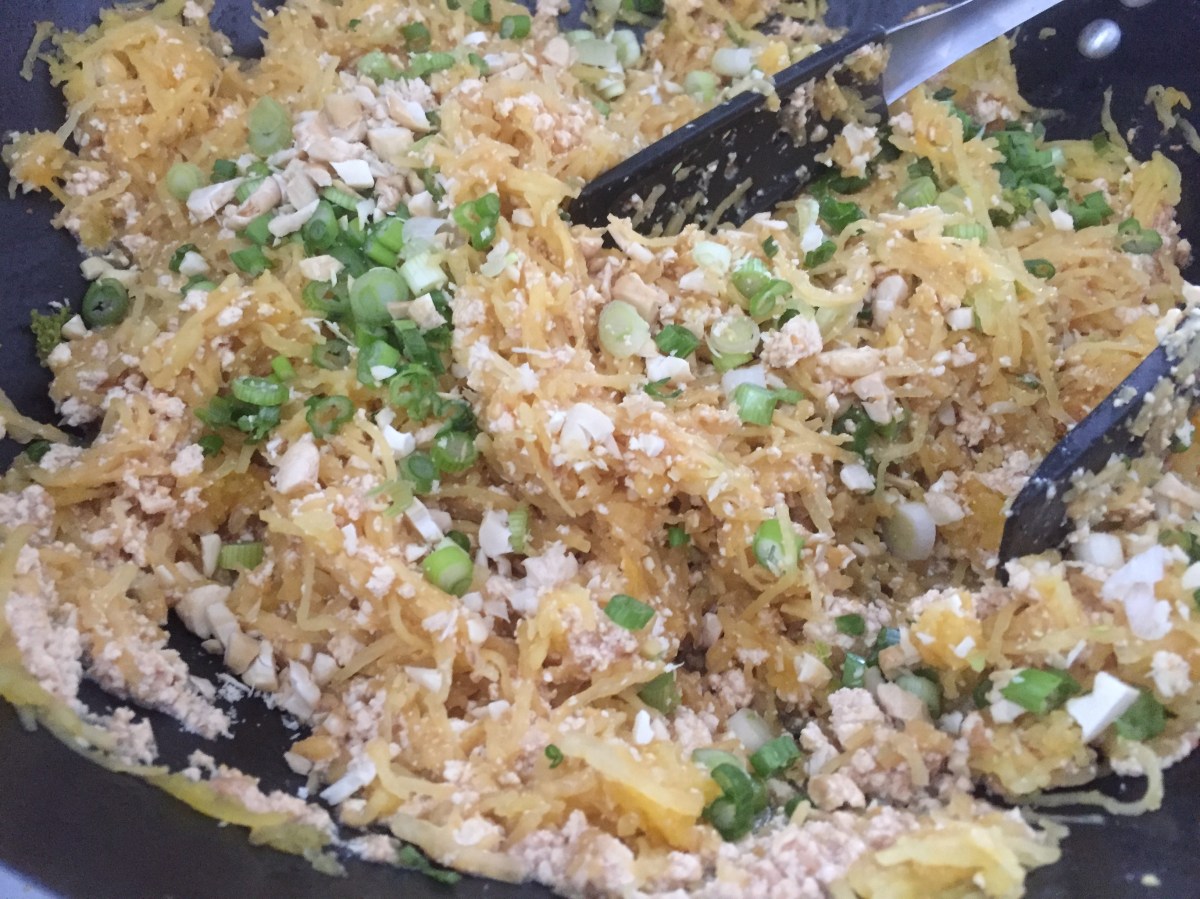
Spaghetti Squash Pad Thai

Spaghetti Squash Pad Thai, via Eat the Vegan Rainbow

Basic Pad Thai is a simple noodle dish, where wide rice noodles are mixed with eggs and chopped peanuts, then sprinkled with crushed red pepper flakes, lime juice and chopped scallions (green onions) and sometimes fresh cilantro. The whole dish comes together in five to ten minutes and can be eaten as is, or customized with a range of toppings so it is definitely a very popular dish found in every Thai restaurant.

Although it is relatively straightforward to find the right type of rice noodles that are typically used in Pad Thai, I decided to explore whether spaghetti squash would work. Spaghetti squash is a squash that, as the name suggests, has a stringy flesh structure that can be forked into a noodle-like structures. The texture of these noodles is softer than the regular pasta, and they are usually shorter but the flavor is rich and delicious, and the nutritional facts are definitely on the side of the squash when compared to either rice noodles that one would use in Pad Thai or any other pasta.

One down side to using spaghetti squash in a recipe like Pad Thai is that squash needs to be roasted first, which means that a five to ten minute recipe all of a sudden becomes a sixty to ninety minute recipe. Still, I recommend you give it a try especially as the hands on time is not as intense.

Are there any tricks to spaghetti squash? No, not really. The only two tips that are worth mentioning is to roast the squash cut side down on a parchment paper lined baking sheet, and to let the roasted squash cool as it will help with handling the squash as well help the squash noodles come out better defined.

To make this into vegan Pad Thai, I recommend using extra firm tofu instead of eggs. You don’t need to press it, but do let it drain for just a bit. Otherwise it may make your Pad Thai too mushy.

One final modification to the traditional Pad Thai recipe I made is using peanut butter in the sauce and some chopped cashews for the topping. Reason for this? I ran out of peanuts!

Spaghetti Squash Pad Thai

What you’ll need:

1 medium spaghetti squash, 1 to 1.5 lbs (about 500 to 700 g)

2 tablespoons garlic, crushed

2 tablespoons peanut butter

2-3 tablespoons lime juice

14 oz. (400 g) extra firm tofu

7 scallions (green onions), finely sliced

1/3 cup cashews, chopped

Cooking spray

What you’ll do:

    1. Preheat your oven to 425 F (220 C).
    2. Wash the spaghetti squash, wipe dry and cut in half lengthwise. Use a spoon to clean out the seeds.
    3. Line a large baking sheet with parchment paper. Place spaghetti squash on the parchment paper, cut side down. Place in the oven and let roast for 25 to 30 minutes. Check with a knife and it goes in without resistance your squash is done. Take it our of the oven and let cool for at least 30 minutes. Be patient because the squash needs to be cool to handle.
    4. Once cool, take half of the squash, flip over and using a large fork go in and pull the flesh to make the “spaghetti”.
    5. Spray the bottom of a large pan or wok with cooking spray and place it over medium-high heat. Add garlic and let the garlic aroma develop, which will take about 1-2 minutes.
    6. Add soy sauce and peanut butter. Stir well and cook for 1-2 minutes.
    7. Add spaghetti squash and mix with the sauce. Here, I recommend using a pair of tongs to gently fold the squash into the sauce. Once the two are well incorporated add tofu that you have crumbled to small bits that look like scrambled eggs.
    8. Mix everything well together and cook for another 4-5 minutes.
    9. Turn the heat off, add the lime juice, scallions and cashews.
    10. If you like to add some heat you can use crushed red pepper flakes, or a dash of sriracha sauce. You can also top with fresh cilantro for some added freshness.

Copyright © Eat the Vegan Rainbow, 2017
Clams-free “Clam” Sauce

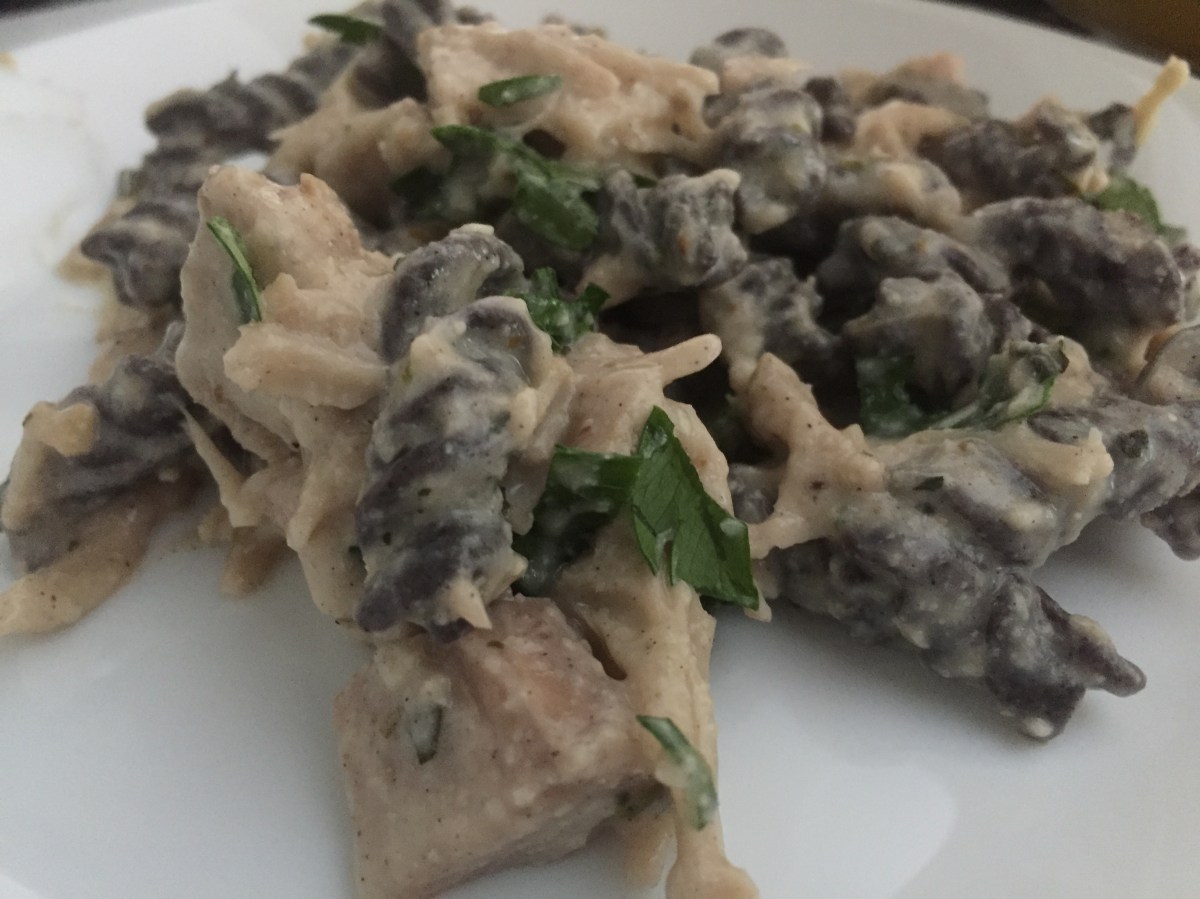
Jackfruit Clam Sauce with Black Bean Pasta
Jackfruit Clam Sauce with Black Bean Pasta, via Eat the Vegan Rainbow

Cooking is in many ways similar to doing experiments in a research lab. In a lab we start from a protocol, or a recipe (oh, yes… we use recipes in science big time!), and more often than not we change things up to see what happens to our experimental results under a new set of parameters or conditions. We make observations and jot them down. The main and the biggest, actually a life and death, difference between cooking and science is that you don’t taste results of your science experiments, while tasting cooking experiments is recommended.

Why do I mention experiments? Well, although seldom talked about most experiments actually give negative results or even fail. Now this happens in cooking too, but I have to say at this point in my life not very often. So, it is with a bag of mixed emotions that I am jotting down this recipe – the Clam-free Clam Sauce with Black Bean Pasta – as this did not turn out the way I was hoping it would.

The sauce itself is actually spot on, creamy and delicious. It uses jackfruit as a stand in for clams, similar to what I’ve done in my New England “Clam” Chowder, and a batch of homemade vegan mozzarella, recipe for which I found on a fun vegan cooking blog site it doesn’t taste like chicken. This vegan mozzarella, combined with the jackfruit, some almond milk, lemon juice, and a dash of Old Bay Seasoning gave a beautiful, rich, and creamy sauce.

The main problem was that I decided to pair this delicious sauce with black bean pasta, instead of more traditional linguine pasta, and this DID NOT work at all. The black bean pasta had a strong flavor that interfered with the subtle flavors of the Clam-free Clam Sauce so the final dish was definitely very far from authentic pasta with the clam sauce.

Conclusion of this experiment? When in possession of the clam sauce, even if it is a vegan version of it, just go with linguini, which is exactly what I’ll do next time!

Clam-free Clam Sauce

What you’ll need:

1 can (10 oz, 280 g) young green jackfruit in brine

1 tablespoon Old Bay Seasoning

2 tablespoons garlic, crushed

1/2 cup vegan mozzarella

1 cup almond milk

1 tablespoon corn starch

2 tablespoon lemon juice

1 teaspoon dry basil

1 teaspoon dry oregano

Cooking spray

Fresh flat leave (Italian) parsley

What you’ll do:

    1. Prepare the vegan mozzarella according to instructions on it doesn’t taste like chicken site.
    2. Prepare the jackfruit by draining the brine out and washing the jackfruit off from access brain to make sure that most of the salt is washed off. Pull jackfruit apart into smaller pieces, about the size of clam “meat”.
    3. Spray the bottom of your pot with cooking spray and turn the heat on medium-high. Add jackfruit and sauté for 3-4 minutes.
    4. Add Old Bay seasoning, mix well and sauté for 1-2 minutes.
    5. Add garlic and sauté for another minute, until the garlic releases its aroma.
    6. Next add the vegan mozzarella and mix everything together. Let it simmer for 2-3 minutes.
    7. Add almond milk and decrease the heat to medium to medium-low. Let the sauce come to simmer.
    8. In a small bowl, mix corn starch and couple of tablespoons of sauce to temper the corn starch. Then add it to the sauce and mix well. Let the sauce simmer for 10-15 minutes.
    9. Add lemon juice, oregano and basil. That ought to do it. But remember: no matter what don’t pair this sauce with the black bean pasta, it’s not worth it!

Copyright © Eat the Vegan Rainbow, 2017

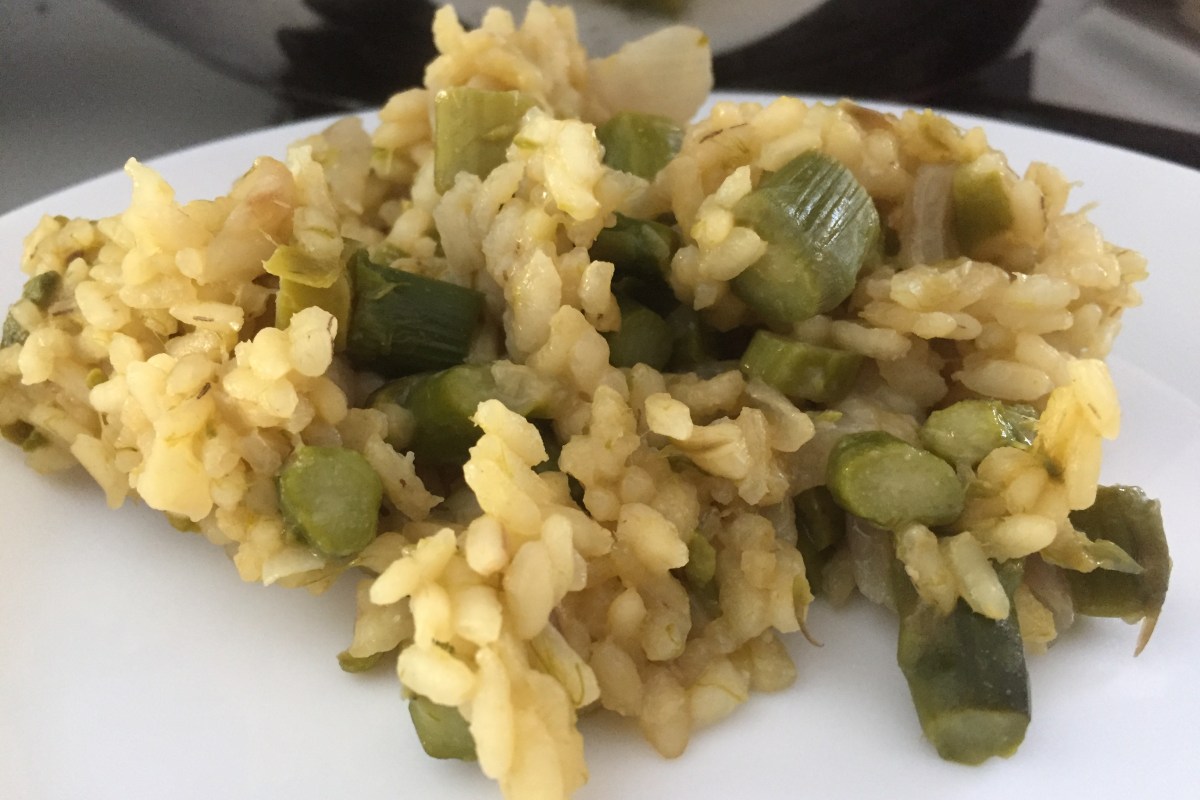
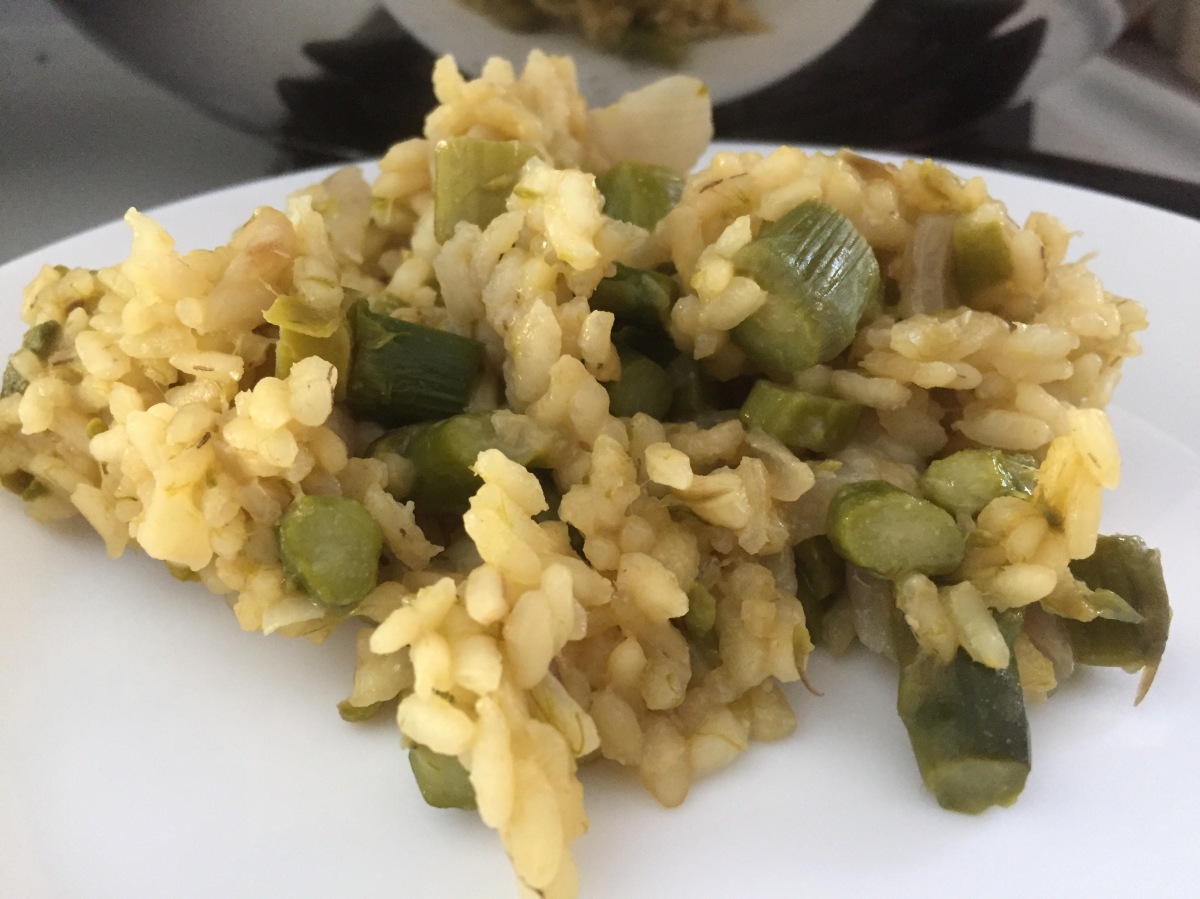
Healthy Asparagus Risotto

Asparagus Risotto, via Eat the Vegan Rainbow
Healthy Asparagus Risotto, via Eat the Vegan Rainbow
Spring is in the air, although perhaps not yet on the ground, and when it comes to spring vegetables asparagus is it! If you haven’t enjoyed asparagus before, do give it a try. Asparagus is very easy to make as it tastes really good roasted, or in a soup. It is also one of those risotto-friendly ingredients that blends well with creamy rice to add crunch and earthy flavor.

The path to a really lovely risotto goes through picking the right rice and cooking it with patience and with a lot of stirring. My go-to rice for risottos, as well as for sushi and other rice dishes that need a stickier rice variety, is medium grain rice. This is a point of difference with most risotto recipes out there as they recommend using short grain rice variety called arborio rice. Arborio rice will work really well in this recipe too, so if you have it on hand go for it. The kinds of rice that may not work well here are the long grain variety, like Jasmine or Basmati rice.

Cooking risotto does require lots of stirring, and one trick that I use is to add the liquid in batches to let the rice absorb it before adding more. It takes time, but at the end your risotto will be rich and creamy without needing any butter, cream or parmesan, all common risotto ingredients.

My risotto recipe does use on less-common ingredient, nutritional yeast. If you will be preparing vegan recipes often nutritional yeast is definitely worth getting because it is a common add-on that mimics dairy. In the case of this risotto nutritional yeast acts as a substitute for parmesan cheese.

Healthy Asparagus Risotto

What you’ll need:

1 pound (500 g) green asparagus, chopped

1 yellow onion, diced

1 cup medium grain or short grain rice

2 tablespoons nutritional yeast

2-3 cups vegetable stock or water

Cooking spray

Lemon zest, lemon juice (optional)

What you’ll do:

  1. Wash and trim the asparagus. I don’t peel it because I try to get spears that are thin and less woody, but if your asparagus is thick it will need peeling. Cut into approximately 1/2 in (1 to 1.5 cm) bits. You don’t need to be precise here but just think about what your final spoonful will look like and make sure your asparagus bits are small enough to be in harmony with the rice.
  2. Dice the onion into fine dice.
  3. Spray the bottom of a wide and shallow pan with cooking spray. Turn the heat to medium high. Add onions and cook until they soften and start to brown. This will take 4-5 minutes.
  4. Add asparagus and let cook for another 4-5 minutes with occasional stirring.
  5. Add the rice and stir well. Let cook for 1-2 minutes.
  6. Lower the heat down to medium low. Add 1 cup of liquid. Stir well and let the rice soak up the liquid. Give it time and repeat with more liquid. Risotto is definitely one of those dishes that people fear to approach and many articles and posts have been written about how to get to the perfect bowl of risotto and avoid mistakes. Fear not, because all you really need to do is hang around your pot, watch your rice and add the liquid when the rice tells you its thirsty. The amount of rice in this recipe can take anywhere between 2 and 4 cups of liquid. You also might want to start by adding one cup at a time for first 2 cups and then decrease to 1/4 cup of liquid at a time. Keep going until the rice is soft but not mushy, a shade softer than al dente.
  7. Turn the heat off and sprinkle with nutritional yeast. Mix everything together and let stand for 5 minutes.
  8. Sprinkle with lemon zest and a dash of lemon juice just before serving!
  9. Copyright © Eat the Vegan Rainbow, 2017

Roasted Red Peppers Chickpea Burgers

Roasted Red Pepper Chickpea Burger
Roasted Red Pepper Chickpea Burgers, via Eat the Vegan Rainbow

There are many things that every time I make then turn out perfect and exactly as I want them. Well, veggie burgers ain’t that! I’ve tried many veggie burger recipes and had failure after failure to reckon with.

The main issue with most of the veggie burger recipes I tried (and failed at) is that the burger consistency is just so delicate that they fall apart as they are cooked. One way to make the veggie burgers sturdier is to use a grain or a flour based binder, like bread crumbs, which I use in my Vegan Jackfruit “Crab” Cakes, or oats, which I used in my Meatless Meatballs. But, I really wanted to see if I can skip using those in a burger.

The recipe I came up with uses chickpeas – in all honestly because I bought one too many cans of chickpeas at a recent sale – and some roasted red peppers, for color and flavor. It also uses sunflower seeds that add a different texture, a bit of crunch, good amount of healthy fats and a good amount of iron, which is something that I keep in mind when cooking given that meat, a great source of dietary iron, is off my table. Additionally, a key ingredient that glues the burgers together is “flax egg”, which is flax meal soaked in water which turns it gooey and slimy, just like egg!  The mix comes together really quickly and all you need will be a stick (hand-held) blender or a food processor.

Roasted Red Pepper Chickpea Burger Mix
Roasted Red Pepper Chickpea Burgers Mix, via Eat the Vegan Rainbow

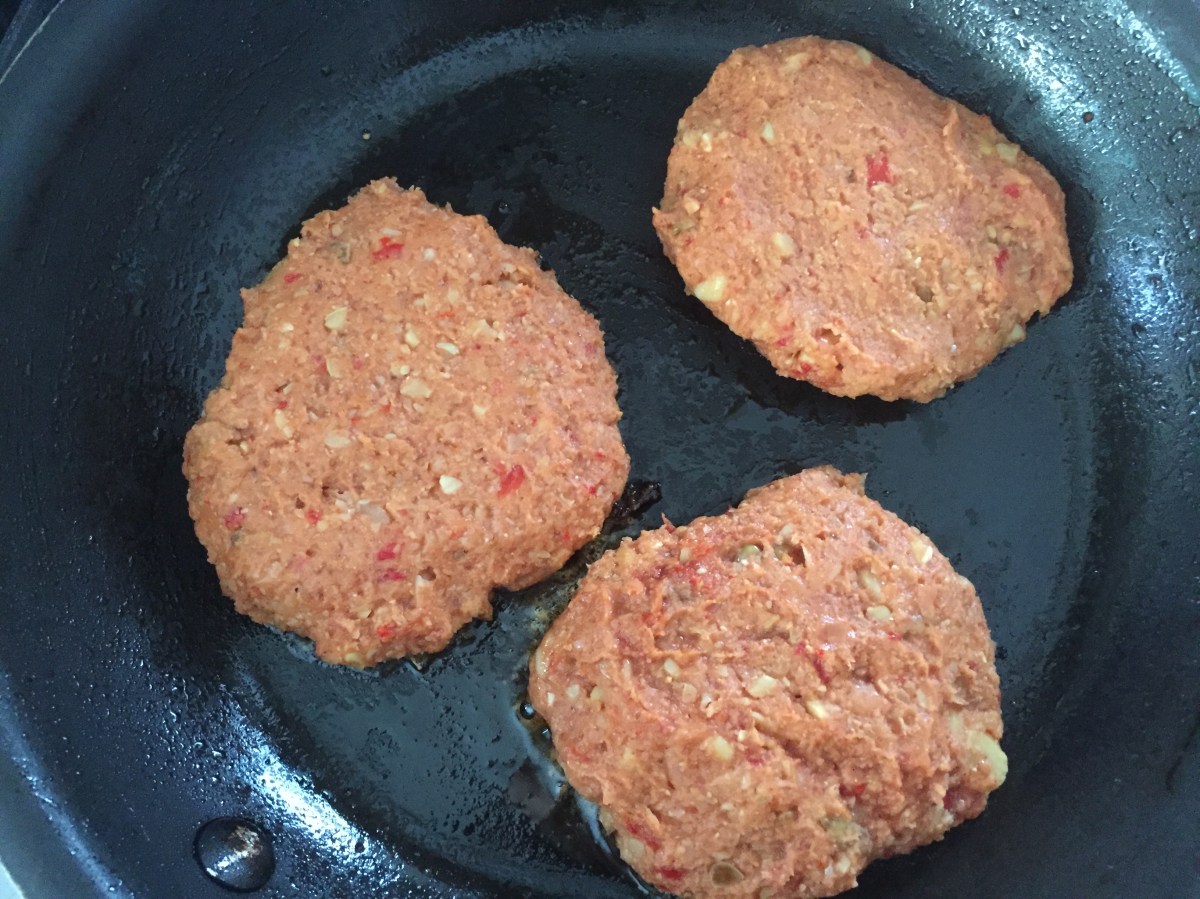
The rest of the preparation does take a bit of time but really not much effort because you will let the fridge or a freezer do some work for you. Placing formed patties into a fridge or a freezer to firm up is officially the greatest tip ever. It helped my Jackfruit “Crab” Cakes, and I can now say it most certainly helped these Roasted Red Pepper Chickpea Burgers. I recommend keeping the patties in the freezer for quite a bit, until they are almost frozen on the edges, because these burgers are still gentle and soft while they cook. They do come together as they cool off and they will be great when you serve them, but you will need to be gentle and careful when you flip them so give the patties plenty of room.

Roasted Red Peppers Chickpea Burgers in the Pan
Roasted Red Peppers Chickpea Burgers in the Pan, via Eat the Vegan Rainbow

Leave the burgers to cool just for couple of minutes. As I mentioned, they will come out of the pan pretty soft and they will get firmer as they cool. You can serve these burgers any way you like your burgers served, in a bun or without. They have a delicious, just slightly sweet flavor from the roasted red peppers and the lovely browning they get as they cook.

Could you bake or broil these? I think that would work. Could you form patties, freeze them and then cook them a week later? I don’t see why not. But in that case I recommend thawing for a bit before letting them hit the griddle. Could these be grilled? Well, sorry to disappoint you but I don’t think so. But, this is not to say that I am not going to try. After all, experimenting is half the fun…

Roasted Red Pepper Chickpea Burger
Roasted Red Pepper Chickpea Burgers, via Eat the Vegan Rainbow

Roasted Red Pepper Chickpea Burgers

What you’ll need:

3 15.5 oz (439 g) cans chickpeas (garbanzo beans), low sodium

1/2 cup roasted red peppers, homemade or store bought (jarred in water)

1/4 cup sunflower seeds, roasted and unsalted

1 tablespoon tomato paste

1 teaspoon onion powder

1 teaspoon garlic powder

1 teaspoon chili powder

1 teaspoon smoked paprika

1 teaspoon soy sauce

2 tablespoon flax meal

4 tablespoons hot water

Cooking spray

What you’ll do:

    1. In a mixing/measuring cup mix flax meal and hot water. Stir well and let stand for 15-30 minutes.
    2. Place the chickpeas in a large colander or a strainer. Rinse well and drain.
    3. Put chickpeas, roasted red peppers, sunflower seeds, “flax eggs”, and all the spices in a large and deep mixing bowl (or the food processor if that’s what you are using instead of the stick blender) and blend until mostly blended. I like some texture to the burgers so I do leave some bigger chunks around, but follow your taste buds and preferences here.
    4. Line a flat serving platter or a tray with wax paper. Using your hands shape the burgers and place them on the tray. This amount of the burger mix makes about 8 good size burgers. Put the burgers in the freezer for 30-45 minutes of refrigerator for 2-3 hours. If using the freezer method make sure the patties are not frozen through but still soft in the middle and mostly solid at the edges. If you are using the refrigerator, the patties need to give some resistance when you poke them.
    5. Spray the bottom of your frying pan with cooking spray and heat over high heat. Put 3-4 burgers in at a time, how many depends on the size of your pan and it’s important to keep in mind that these burgers are on a softer side so need some extra space around them to help with moving around and flipping. Cook for 4-5 minutes on one side, carefully flip around and cook for another 3-4 minutes.
    6. Let the cooked burgers rest for 5 minutes or so, then serve!

Copyright © Eat the Vegan Rainbow, 2017

New England “Clam” Chowder

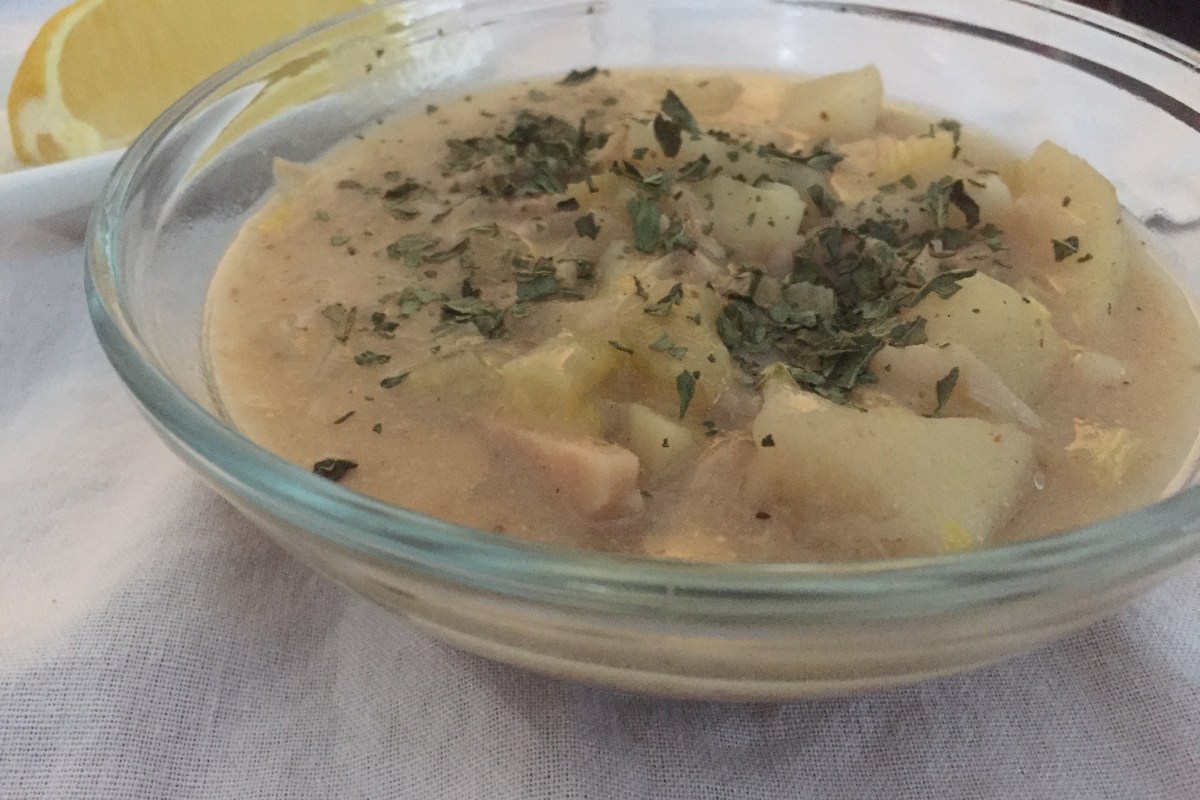
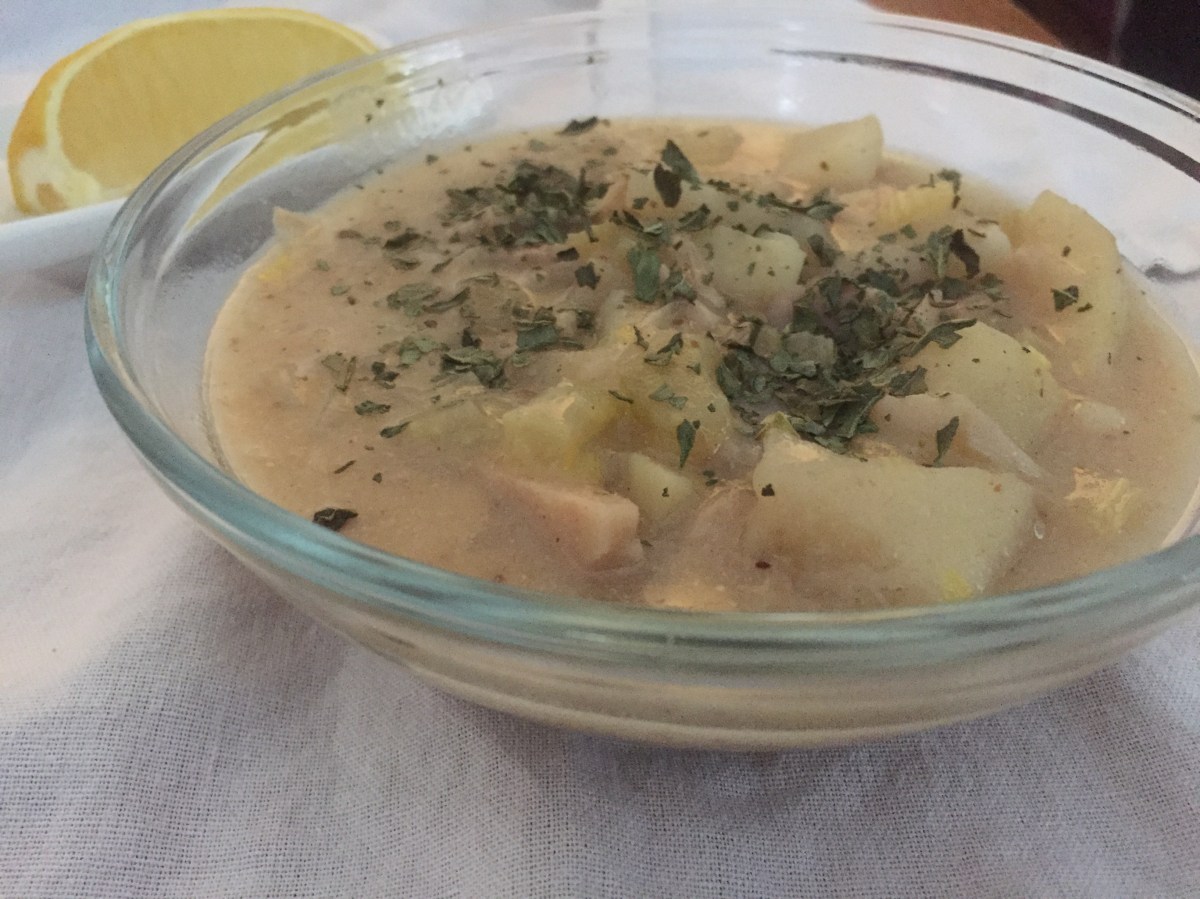
Bowl of New England “Clam” Chowder, via Eat the Vegan Rainbow

A week ago New England was thrown into a March snow storm that dumped 1-2 feet (30 – 60 cm) of fresh powder all over the region. Schools were closed, businesses advised people to work from home if they can, and by the time late afternoon rolled around we were all outside digging ourselves out.

As we all know, when it comes to the cold weather and snow storms nothing works faster to melt the chills away than a bowl of hot soup, so given the success of my Jackfruit “Crab” Cakes I decided to veganize a seafood classic, the New England Clam Chowder and see if jackfruit would work in this recipe as well.

For those of you not familiar with the New England Clam Chowder it is a creamy soup built from butter, heavy cream, celery, onions, potatoes, clam juice and clam meat. I had past success in making creamy soups using potato or corn starch as gluten-free thickening agents, and I was pretty sure that they will work here as well. I was interested to see how jackfruit will do as a stand in for clams and felt confident that it will turn out OK.

But how to make vegan clam juice, which is clam broth and a key ingredient in this soup that adds unique flavor evocative of sea and shell fish posed and interesting challenge. I decided to use some Old Bay Seasoning because it worked so well in my “crab” cakes, and for some extra sea flavor I used some seaweed broth. What I did is to soak two sushi nori seaweed sheets in some warm water for 30 minutes, and then pass the mix through a strainer to remove the seaweed and keep just the liquid. That was my “clam juice”, and it worked!

Beside that little neat trick, my one general recommendation is to use a Dutch oven or a similar heavy post with a lid, as the soup does need to simmer for a while. When the soup is done, it is best served fresh with a squeeze of lemon, coarsely ground (cracked) black pepper, a sprinkle of dry basil or fresh parsley, and a piece of bread. There’s nothing better to help you recover from all that snow shoveling!

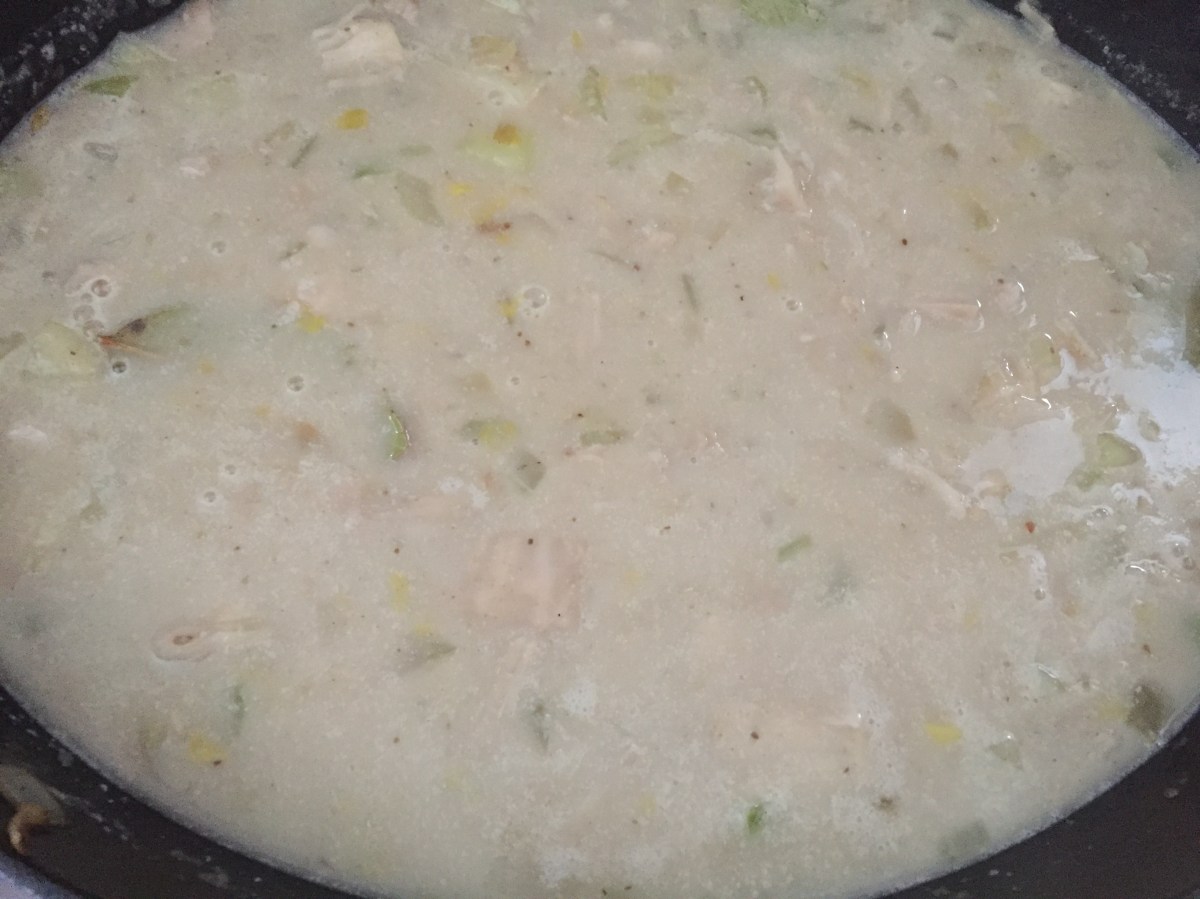
New England “Clam” Chowder, Gently Simmering, via Eat the Vegan Rainbow

New England “Clam” Chowder

What you’ll need:

1.5 lbs (700 g) potatoes, peeled and diced

1 can (10 oz, 280 g) young green jackfruit in brine

6 stalks of celery

1 large yellow onion

2 tablespoons garlic, crushed

1 tablespoon Old Bay Seasoning

3 tablespoons corn starch

2 tablespoons lemon juice

3 bay leaves

2 sheets of sushi nori seaweed

2 cups hot water

3 cups almond milk

Cooking spray

What you’ll do:

  1. Soak seaweed sheets in 2 cups of hot water for 15-30 minutes.
  2. While seaweed is soaking rinse and drain the jackfruit and pull the pieces apart to create smaller chunks, roughly the size and shape of chopped clams. Set aside.
  3. Peel and dice potatoes, onions and celery.
  4. Spray the bottom of a large Dutch oven, or other heavy pot, with cooking spray and bring up to medium high heat.
  5. Add onions, garlic and celery and sauté for 3-5 minutes.
  6. Add potatoes and continue sautéing for another 3-5 minutes.
  7. Add jackfruit, sprinkle with Old Bay Seasoning, mix well and sauté for another 5-7 minutes.
  8. While the vegetables are sautéing, run the seaweed through a strainer to remove as much seaweed as possible. You should end up with 2 cups of water that is slightly brown and smells like seaweed. That’s your “clam” juice
  9. Mix in the starch into the vegetables, and add the “clam” juice, bay leaves, and lemon juice. Bring the soup to gentle boil, mixing occasionally.
  10. Add almond milk, and keep the soup on gentle simmer for 20-30 minutes. Serve hot, with a squeeze of lemon and a piece of bread.

Copyright © Eat the Vegan Rainbow, 2017

Pizza Supreme, Gluten-free & Vegan

gluten-free pizza with roasted veggies
Gluten-free Vegan Pizza Supreme, via Eat the Vegan Rainbow

Friday night is pizza night, and making this gluten-free version has become part of regular easing into the weekend and unwinding ritual. Quite honestly, developing the perfect gluten-free pizza crust has not been easy. I tried many different recipes, from scratch and store-bought baking mixes, and many different techniques and none really worked. I would end up with a pizza crust that was either too thick or too soggy or too different from a nice thin and crunchy pizza crust that I prefer.

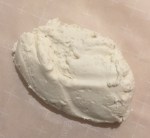
But, all this trial and error has not been a waste, since it led me slowly but steadily to my current recipe that is incredibly simple and works like a charm. Result is a thin and crispy pizza crust that is as close to the real thing as I think I can get. I start from three ingredients: rice flour, baking soda and baking powder. I mix rice flour and water in same amounts (1 cup rice flour to 1 cup water) and the dough I get is nice and smooth, yet slightly sticky. I let the dough sit for 20 to 30 minutes which is just enough time to get my roasted vegetable topping done, and other toppings and sauce organized, and I use a special technique to spread the dough as thin as I like it.

pizzadough_riceflour
Gluten-free Pizza Crust Starts from Rice Flour Dough, via Eat the Vegan Rainbow

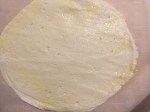
What I do to transform this sticky dough into a pizza crust that will bake well and hold the filling is to place a piece of parchment paper on the pizza peel, add enough dough to form one pizza pie, cover the dough with another piece of parchment paper and use fingers to spread the dough out by pressing over the parchment paper. This really help and if you are to try to do this without the second piece of parchment paper you would end up with sticky fingers and mess – trust me on this, I’ve been there! Once the dough is as thin as needed, peel off the top parchment paper, spray the top with cooking spray and the pie is ready for the oven.

There are also two tricks to baking the perfect gluten-free pizza. Trick number one is to give the dough a chance to bake on its own for 10-15 minutes at 425 F (220 C) on a pizza stone. Technically you can use any baking pan or cookie sheet but if you are into making lots of pizza getting a pizza stone is a wise investment – they are pretty much indestructible and one will last you forever! This will help both your top and the bottom get nice and crunchy, browned and caramelized.

The second trick is to pre-cook your toppings. My Gluten-free Vegan Pizza Supreme uses roasted red onions and roasted red peppers, which I slice and roast at 425 F (220 C) for 15-20 minutes while my dough is resting, and couple of other toppings that don’t require pre-cooking like sliced black olives, vegan ground beef substitute, and vegan shredded cheese. Why pre-cook? The assembled pizza will not stay in the oven long enough for toppings like peppers and onions to really brown and soften, and I do prefer them slightly charred. But if you like your veggies on a raw side you can skip this step.

The rest is really a breeze. Cover your half-baked pizza crust with good amount of sauce – on this occasion I used nothing fancier than marinara sauce from a jar – and top with roasted red peppers and red onions, sliced black olives, vegan ground beef substitute, homemade cashew ricotta, store-bought shredded vegan “mozzarella” cheese, or both, sprinkle with dry or fresh basil and oregano, and return to oven for another 12-15 minutes. Take out of the oven and let it rest for 2-3 minutes… or not!

Happy pizza time!!!

glutenfreeveganpizza_whole
Gluten-free Vegan Pizza Supreme on the Menu Tonight, via Eat the Vegan Rainbow

Gluten-free Vegan Pizza Supreme

What you’ll need (for 2 x 12 inch (30 cm) thin-crust pizzas):

2 cups rice flour

2 cups water

1 teaspoon baking powder

1 teaspoon baking soda

1/2 red onion, large

1 red bell pepper

1/2 cup vegan ground beef substitute

1/2 cup sliced black olives

1/2 cup Cashew Ricotta

1/2 cup shredded vegan mozzarella cheese

Cooking spray

What you’ll do:

  1. Preheat oven to 425 F (220 F) with your pizza stone (if using) inside.
  2. In a large mixing bowl, mix rice flour, baking powder, baking soda and add water. Mix everything well until the dough forms. The dough will be soft and relatively sticky, but should still hold its shape. Let stand for 15-20 minutes.
  3. Slice the red pepper and red onion thinly, spread on the cookie sheet covered with aluminum foil, spray with cooking spray and put in the preheated oven for 15-20 minutes, to brown, caramelize and slightly soften.
  4. Place parchment paper on your pizza peel (if not using pizza peel and pizza stone, you would place the parchment paper on your cookie sheet or other baking pan you will be using), put half of your dough in the middle, cover with another piece of the parchment paper and use your fingers to spread the dough out to the size and thickness that you like. Peel the top parchment paper off with care – the dough may stick but the top parchment paper should come off relatively easily. Spray the top of your pizza dough with cooking spray and put in the oven for 12-15 minutes.
  5. Take your pizza crust out of the oven. The top should be slightly golden and the edges should have gotten slightly browned. Spread the tomato sauce and all the toppings you like, and put the assembled pizza pie back in the oven for another 10-15 minutes. Enjoy!

Copyright © Eat the Vegan Rainbow, 2017
Vegan Stuffed Peppers with Homemade Beef Substitute

veganstuffedpeppers
Vegan Stuffed Peppers with Homemade Beef Substitute, via Eat the Vegan Rainbow

My mom is the queen of stuffed bell peppers. Her peppers have been well-known within our extended family, and frequently requested by friends and family when they visit. What I am saying is that stuffed bell peppers should be in my DNA, but it took me years to transform what I learned in my mom’s kitchen to a dish that will be a crowd pleaser.

The first major breakthrough in my pursuit to a perfect stuffed bell pepper recipe came when I realized that cutting the peppers in half lengthwise makes my life so much easier than cutting just the top off. Cutting peppers lengthwise makes cleaning out the seeds and the spines a breeze, plus helps distribute the stuffing and helps the stuffing stay put. It also helps peppers cook faster. Another thing that I found through many round of experimentation is that it helps if you pre-cooks peppers just a bit before stuffing them. I tried parboiling and it helps but it changes the flavor of peppers in a direction that I don’t really like. So, I recommend par-roasting, which means letting your peppers roast for 10-15 minutes, until they just start to soften and get browned on the surface. This is a great way to jump start cooking your papers and add some flavor.

pepperrainbow
Pre-roasted Bell Peppers, via Eat the Vegan Rainbow

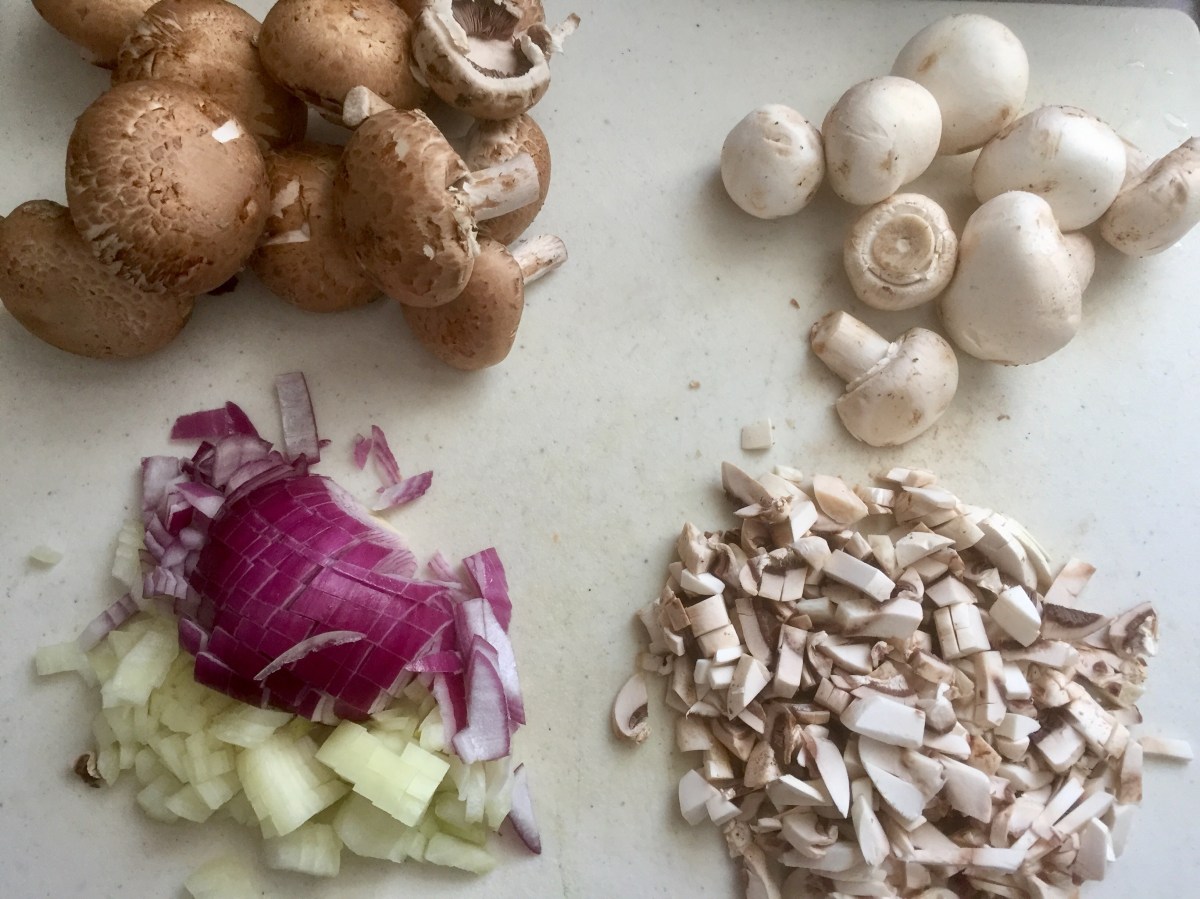
The second breakthrough came when I discovered that the stuffing does not need to include a starch component. You can have lovely stuffed bell peppers without filling them with rice, or potatoes, or quinoa, or barley, or any of that stuff. I am not saying these are bad things to use, but most recipe use them as space fillers more than anything else. But for me in this recipe, a mix of yellow onion, red onion, white mushrooms, and baby bella (crimini) mushrooms. One tip here is to chop all these to pretty small pieces so that they match the size of ground meat chunks you would usually find in a stuffed bell pepper recipe. Another tip: for a recipe like this you can use both the mushroom tops and stems, and minimize the waste!

stuffedpepperswithmushroom
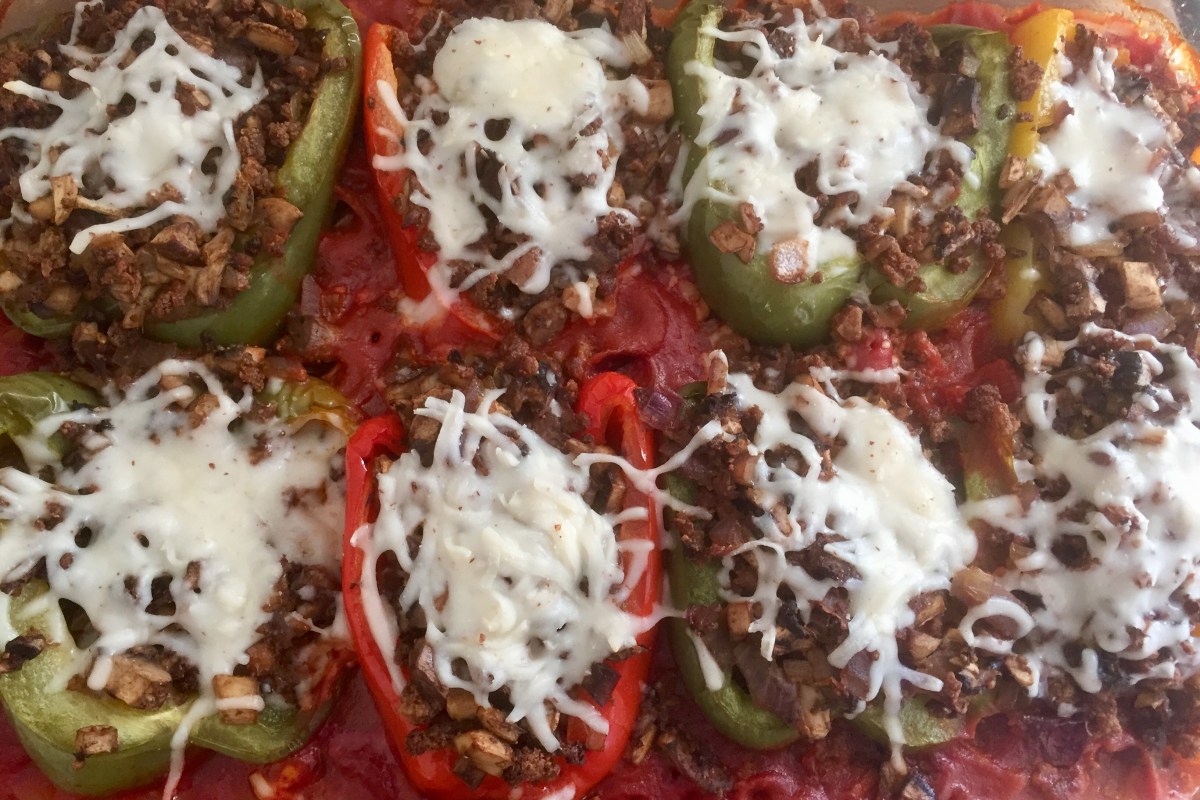
Vegan Stuffed Peppers with Homemade Ground Beef Substitute, via Eat the Vegan Rainbow

This brings me to my most recent breakthrough: vegan substitute for ground meat. I followed this recipe I found on Glow Kitchen, with only one modifications – I did not add olive oil and used cooking spray on my baking sheet instead. The recipe produces amazing ground beef substitute and uses tofu and a handful of pantry staples. The prep time is a bit on a longer side, as it takes about 1 hour in the oven with frequent stirring, but it is worth it!!! I think you will love this so much that I recommend doubling the recipe right off the bat.

vegangroundbeef
Vegan Ground Beef Substitute, recipe via Glow Kitchen, execution via Eat the Vegan Rainbow

Finally, I did use some vegan cheese to top the stuffed peppers, but you can definitely skip that step or top them with fresh Italian (flat leaf) parsley. Or both!

Vegan Stuffed Peppers with Homemade Beef Substitute

What you’ll need:

4 bell peppers (red, orange, yellow, green – any color will do)

8 oz. (225 g) white mushrooms, finely diced

8 oz. (225g) baby bella (crimini) mushrooms, finely diced

1/2 large yellow onion, finely diced

1/2 red red onion, finely diced

1 batch of Vegan Substitute for Ground “Beef”

15 oz. (425 g) crushed tomatoes, can

1 teaspoon smoked paprika

1/4 cup vegan cheese, shredded

Cooking spray

What you’ll do:

  1. Prepare the ground beef substitute according to instructions here. You can make this a day ahead, which is what I did. Also, you can use any store bought ground beef substitute you like.
  2. Preheat oven to 425 F (220 C).
  3. Wash and dry the peppers, then cut lengthwise and clean out the seeds and spines. Put them into a roasting pan and spray gently with cooking spray. Par-roast for 15 minutes or so. Take them out of the oven and remove any liquid that peppers released during roasting. Set aside.
  4. Lower the oven temperature to 350 F (175 C).
  5. Sauté onions and mushrooms on medium heat with a bit of cooking spray for 5-8 minutes. Stir in beef substitute and sauté for another 5 minutes. Turn the heat off and mix in smoked paprika. Your stuffing is ready for the next step!
  6. Pour the can of crushed tomatoes into your baking dish. Place par-roasted peppers in, and fill them with the stuffing. Cover the baking dish with foil and put in the oven for 15-20 minutes. Remove the foil and bake uncovered for 10 minutes.
  7. Sprinkle the cheese on top and let it melt which will take another 5 minutes. And that is it. You are ready to enjoy!

Copyright © Eat the Vegan Rainbow, 2017