Vegan Chocolate Mousse Pie

Vegan Chocolate Mousse Pie
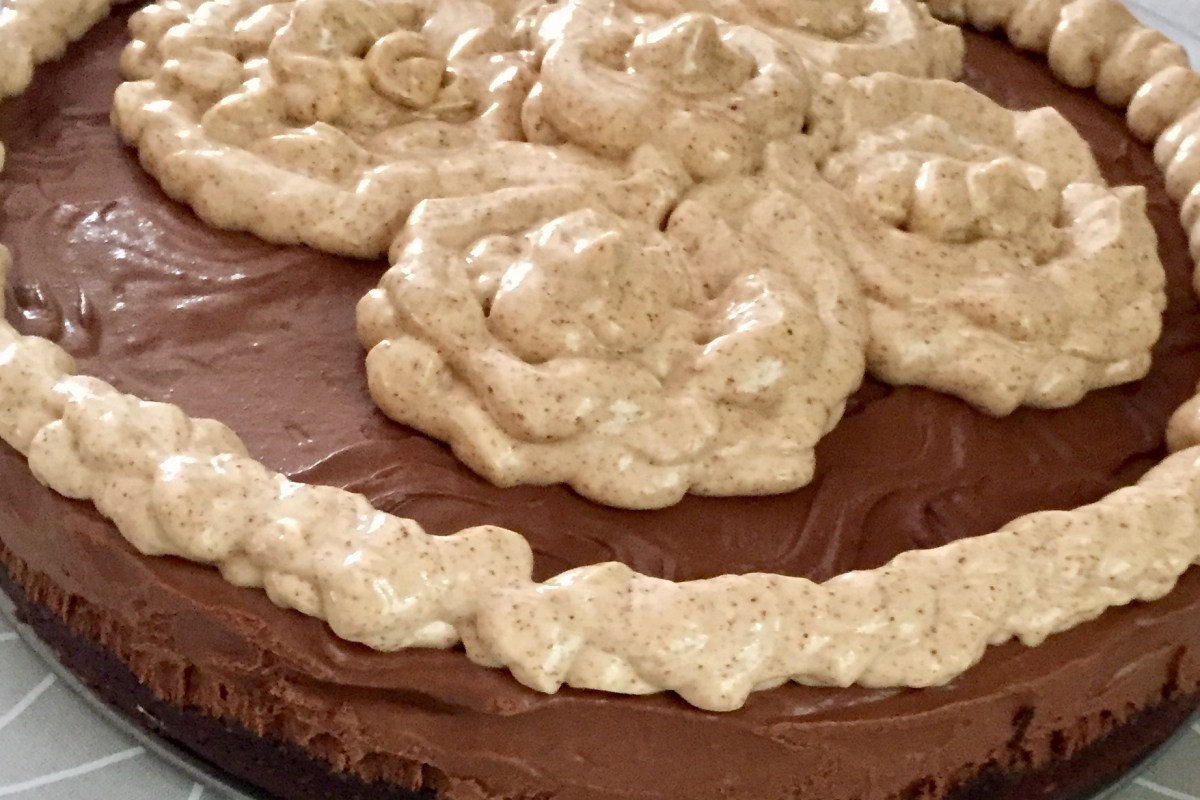
Vegan Chocolate Mousse Pie, via Eat the Vegan Rainbow

It’s OK to indulge and be decadent from time to time, and in my book the best way to feel indulgent and decadent is to go for some chocolate. Vegan chocolate is not hard to find. Almost any dark chocolate with high cocoa content is likely to be acceptable, so there are no reasons to stay away from chocolate treats. Having said that, if you are trying to drop a few pounds, the recipe below is not for you and most of chocolate treats is probably off limits.

The amazing thing about my chocolate mousse pie recipe below is that it uses roasted sweet potatoes. Roasted sweet potatoes are my favorite snack, often even breakfast , and definitely one of my favorite ways to reduce the amount of sugar that I use in my recipes. Roasting helps the natural sweetness of the potatoes come through, and what you end up with is super sweet and super soft root vegetable ready for puréeing and use in things like pancakes and even ice cream! If you are looking for instructions on how to roast sweet potatoes, you may want to check my post on Sweet Potato Butter for details.

My Chocolate Mousse Pie is as easy as a pie – really! There is no baking involved and all you really need to do is melt lots of chocolate and not shy away from using some butter to help things along. My favorite brand of vegan butter sticks is Melt – the price may be higher than other butters out there, and especially the margarine which is plant-based but just not that good for you because of all those hydrogenated trans fat acids, but I recommend you use it only on special occasions and in small quantities. This means that the pound (half a kilo) of butter will last you a long time!

Final note is that you should feel to customize the frosting to feature your favorite nut butter, or to include cocoa powder for example. I personally love almond butter and also think that almond butter mousse frosting works really well to bring the pie together, by connecting the crust flavors with the frosting. In this way, every single mouthful has harmonized flavors, from the beginning to the end.


Vegan Chocolate Mousse Pie

What you’ll need:

FOR THE CRUST

4-6 large madjool dates

1 tablespoon vegan butter, melted

1 cup raw almonds (unsalted)

FOR THE FILLING

10 oz silken tofu

2 roasted sweet potatoes

2 cups melted chocolate

1 teaspoon cinnamon

1/4 teaspoon nutmeg

2 tablespoon unsweetened, plain rice milk (or any other plant-based milk)

FOR THE FROSTING

1 stick vegan butter

1/2 cup almond butter

2 tablespoons agave syrup
What you’ll do:
  1. To prepare the crust, melt the butter in a microwave (1-2 minutes in 30 second increments until fully melted), then added it to a food processor with dates and almonds. Pulse for 8-10 times, until everything is finely chopped and combined. When the crust is smooth and sticks together well, transfer it into a springform pan, the pan you would normally use to make cheesecake. Using your fingers, press the crust into the bottom, until firmly packed. Place the pan into a refrigerator for 15-20 minutes to allow the crust to firm up.
  2. While the crust is firming up add the drained tofu and chopped roasted sweet potatoes into a large food processor and process for 30-45 seconds. Add the melted chocolate and process for another minute. To melt your chocolate, you can use a double boiler method or a microwave method. At the end, add the spices and plant-based milk and processes until the mixture is smooth.
  3. Pour the filling into the springform pan and even out the surface. Sometimes banging the pan on the kitchen counter helps the filling set, and prevents random empty space areas from forming. Leave the chocolate mousse pie in the fridge for at least 4 hours to firm up. I recommend leaving the pie in the fridge overnight and finishing the frosting the next day.
  4. To mix the frosting, combine the almond butter, butter and agave syrup (or another sweetener like maple syrup) into a bowl and mix until smooth and combined using a hand held mixer. You can also do this using a standing mixer. Apply the frosting any way you prefer. I usually place the frosting into a zip lock bag, and then snip of a corner with scissors to make a hole of a desired size. Holding the top of the bag firmly in my left hand (I am right handed), I then use my right hand to guide the piping bag and create frosting patterns I like. In this case, I went for a flower in the middle, but you can really do anything you like.
  5. After you frosted the pie, pop it back into the fridge for 30-60 minutes. This should be enough time for the frosting to firm, and once that’s done you are ready to pull the pie out. I recommend leaving the pie at room temperature for 15 minutes before serving, and then dig in!

Copyright © Eat the Vegan Rainbow, 2018

Apple and Carrot Soup

Apple and Carrot Soup, via Eat the Vegan Rainbow

Soups seem to be one of those things that have gone out the window together with long sit down dinners. I grew up in a family that had soup as a starter of a large meal, in our case lunch, almost every day. My mom still makes soups couple of times a week, and they are varied and delicious!

I vary my soups depending on the season, and gravitate towards lighter soups during summer, and rich and more decadent soups during winter. For example, about two years ago we had a major snow storm, and while my husband was out shoveling, I made a pot of New England Clam-less Chowder that hit the spot!

More recently, some of the soups that we enjoyed were rich in vegetables and can work really well to replace all those recipes that use tons of butter and cream, like Cream of Carrot Soup, and a perfect Creamy Cauliflower Winter Soup. The secret weapon to a rich, creamy and totally vegan soup is an immersion (or stick) blender. This kitchen gadget goes directly into a pot and blends the contents with ease! Of course, you can also use your regular blender but that requires a transfer of a very hot liquid, which may lead to injury – so for things like making creamy soups and sauces a stick blender is the way to go.

For this soup, which combines carrots and apples, it is important to pick firm and tart apples like Granny Smith. Apples add a bit of tartness to the soup as well as a bit of a thickening agent as they are full of pectin, which is a complex carbohydrate that makes jams gel!

One last thing I want to mention before we dive into the recipe is the sodium. My recipe does not include salt because my husband is on a very low sodium/no sodium diet. But this soup, as indeed others as well, taste best with a bit of salt added to it. So, unless you do need to omit sodium from your diet I recommend you add salt to taste, to the pot as the soup simmers. One teaspoon ought to do it for most of us!

This is a great Thanksgiving or winter holiday soup and I hope you get to enjoy it with your family and friends!!!


Apple and Carrot Soup

What you’ll need:

1 onion, diced

4 stalks celery, diced

5 large carrots, cut into small chunks

3 apples, tart, cut into small chunks (peeled or not, up to you)

1 teaspoon dried dill weed

4 bay leaves, whole

1 teaspoon celery seed

2 teaspoons rubbed sage

4 cups water

1 tablespoon olive oil

1-2 tablespoons pan toasted pumpkin seeds per serving

salt, pepper to taste

What you’ll do:

  1. Place a large pot over medium-high heat, then add oil, celery and onion and let the vegetables sauté for 4-5 minutes.
  2. Add the carrots and apples, and sauté for another 5-8 minutes, until carrots and apples start to soften and brown.
  3. Add the spices and mix well, then pour in the water, increase the heat to high, let the soup come to a boil, then lower the heat and simmer for 20-30 minutes until apples and carrots are soft and fully cooked.
  4. Once the carrots and apples are fully cooked, turn the heat off, and let the soup cool for 5-10 minutes. Take all the bay leaves out, then using your immersion blender, blend the soup until smooth. You can do this in the standard blender as well, but do be careful – the liquid will still be very hot and you can get seriously burned!!!
  5. Serve the soup with some toasted pumpkin seeds. You can toast the seeds in a toaster oven or in the non-stick pan. Place your pan over the high heat and let the surface get really hot. Next pour in the seeds, and let them toast with constant stirring for 1-2 minutes. This will be sufficient to get them lightly toasted. Sprinkle on top of the soup and serve!

Note on the salt: please note that the recipe does not use any salt as my husband is on a reduced-sodium/no-sodium diet. However, I do add salt to my own bowl as I do think it enhances the flavor. If you are in the household that consumes salt, please consider adding 1 teaspoon in the pot while cooking. Enjoy!

Copyright © Eat the Vegan Rainbow, 2018

Zucchini and Summer Squash With Garlic and Basil – CSA Week 9

b00a2607-ad68-4648-b9da-bf7749d55ff5
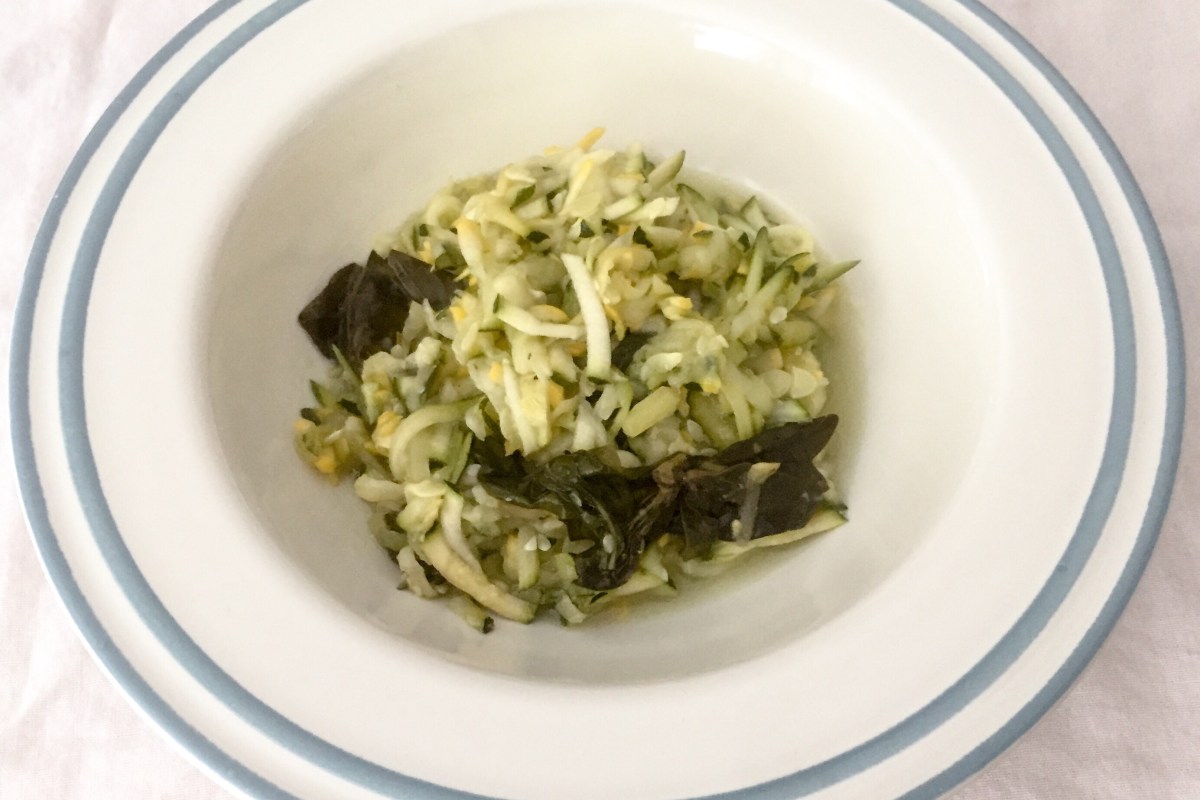
Zucchini and Summer Squash With Garlic and Basil, via Eat the Vegan Rainbow

You know that you have been slacking when the post about CSA Week 9 recipe comes couple of weeks after the finish of the CSA program. How did all those weeks disappear? All I’m going to say is that summer vacation, start of school year, and crazy work schedule happens to the best of us! Wild, I know!!!

In Week 9, Upswing Farm share included some lovely zucchini and basil. So recipe here is a really easy and quick take on what to do when life gives you zucchini, summer squash (this one was from my garden), and lots of fresh basil.

The recipe takes less than 30 minutes to make, used only a handful of ingredients, and is light, fragrant and incredible for the long, hot, lazy days of summer, as well as these fall moments we are now enjoying.

As summer squash, zucchini and fresh basil are now available year round, you can actually serve this “summer sunshine in a bowl” even at the dead of the winter. When choosing your zucchini and squash pick those that have smooth surface with bright color and fresh look. Those will be fresher pieces that you can use without peeling after giving them a good wash.

This recipe requires grating, and the easiest way to do this is to run the zucchini and squash through a grater attachment that most food processors include. Traditional hand-held grater works too! I recommend that you squeeze some of the excess water out of the grated squash and zucchini before using. If you skip this step, the final dish will be quite water-y, although it will still taste good. So, it’s up to you to decide the amount of liquid you’d like your final result to have.

Lastly, when it comes to fresh basil you will not need to do much to prep it. You can use the entire bunch, after you wash it and trim it. The point is to have basil infuse the dish, and you can fish the large pieces of basil out before serving. Of course, basil is delicious in its own right and if you want to enjoy it just go for it!

This side dish is best served warm, with some toast or good hearty bread for dipping and mopping the bowl. Delicious!

Zucchini and Summer Squash with Garlic and Basil

What you’ll need:

2 zucchinis, washed, trimmed, and grated

2 summer squash, washed, trimmed, and grated

6 cloves garlic, peeled and thinly sliced

2 cups basil leaves, whole

1 tablespoon apple cider vinegar

2 tablespoons olive oil

What you’ll do:

  1. Wash the zucchini and summer squash, trim the ends, and grate either using a food processor or a manual grater.
  2. Peel and slice garlic thinly. You can adjust amount of garlic to taste but I don recommend going beyond your comfort zone here.
  3. In a large pan bring oil to medium heat, add garlic and sauté for 1-2 minutes.
  4. Add the zucchini and squash, mix well, and sauté for 5-8 minutes until fully cooked.
  5. Add the fresh basil and vinegar, mix well and let rest for 10 minutes or so before serving. Enjoy!

Copyright © Eat the Vegan Rainbow, 2018

Basic gluten-free vegan crêpes

Oui, oui… we all love crêpes! Savory or sweet these flat wraps are easy to make and delightful. Of course, those in the business of crêpes making may lead you to believe that crêpes are beyond your capabilities. And even if you are brave to venture into the crêpes land, you may hesitate to accept the vegan crêpes challenge. Yet, there’s nothing to worry about as crêpes can be not only vegan but gluten-free as well.

Choosing the right crêpes pan

The pan you use makes a huge amount of difference when making crêpes. You need a good, preferably non-stick, shallow frying pan with large surface area. The pan should also not be too heavy because there is a fair bit of pan handling (lifting, tilting, swirling) that will need to take place. I use IKEA but you can use any pan the fits this description – roughly.

Preparing the pan

I recommend getting the pan nice and hot before adding a batch of batter. Also, remember to oil the pan before each crêpes. I place my oil in a small bowl which I keep on the stove for easy access and use a silicone brush to brush the oil over the pan’s bottom just before pouring in a batch of batter. And keep doing this each time!

The first crêpe is always the worst!

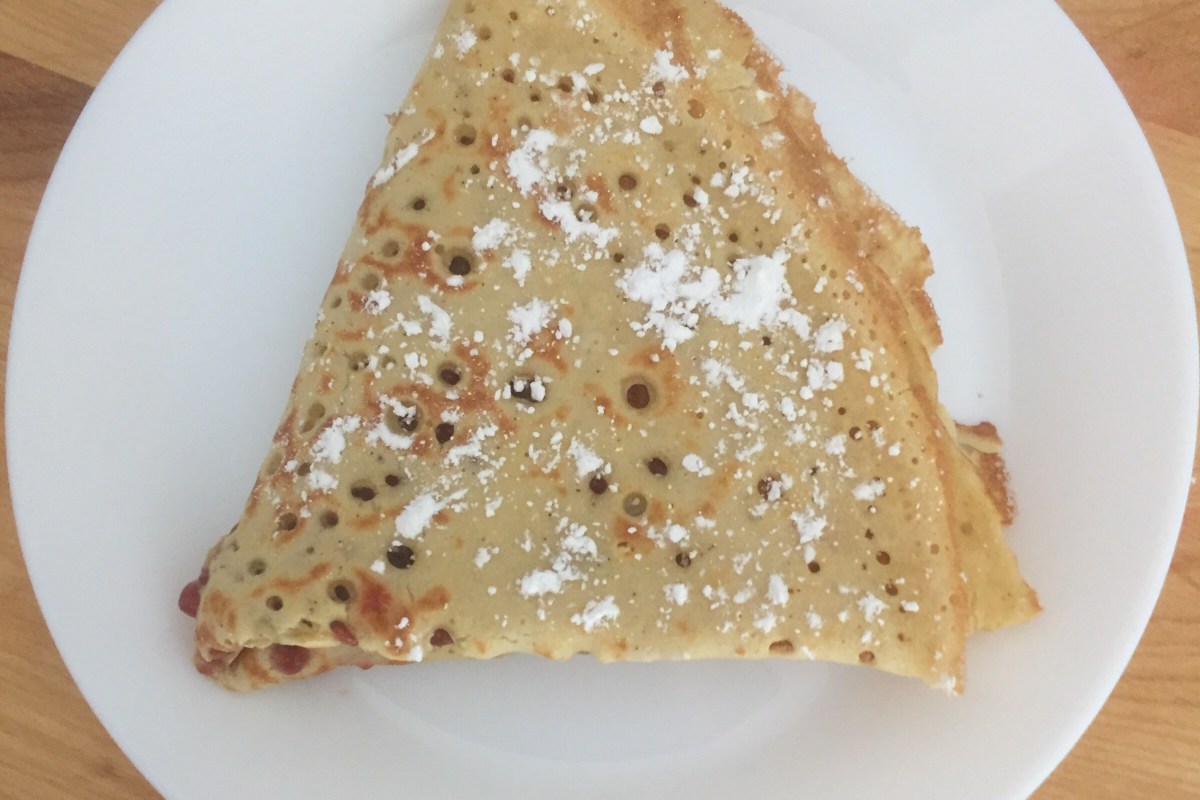
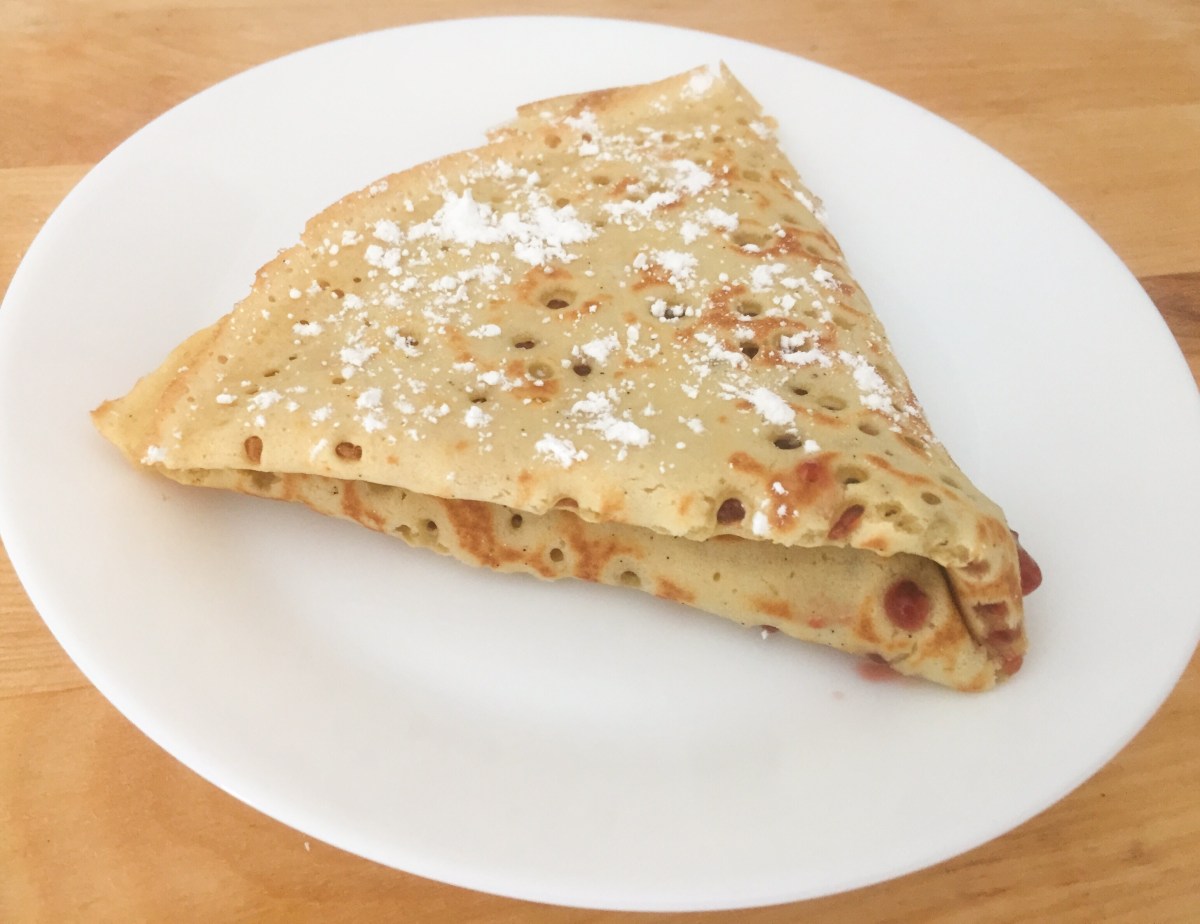
One dirty little secret of crêpe making is that the first crêpe is always the worst!!! So, although this first crêpe will be nerve wracking and make you feel like a total crêpe disaster, please do persevere and things will get better. This phenomenon seems to be all down to improperly oiled and insufficiently heated pan – and following the instructions here or in this very helpful post will ensure that your second, third, fourth, and so on crêpe all come out perfect. What helps is keeping the heat up, oiling the surface and using a really long and thin spatula to gently peel the crêpe off and flip over. What also help is being stingy with a batter. You are going for a very, very thin pancake here and the pictures below show you what my crêpes looked like.

Finishing crêpe touches

There are many different ways to enjoy the crêpes. You can use light spreads, like jams, chocolate syrup or nut butters, or simply sprinkle with some sugar and cinnamon, or go for the classic combination of butter and maple syrup. Chopped up fruit and/or nuts, as well as walnut and almond meal also work. If you are want to totally impress your guests you may want to make a crêpe cake, and if you made a batch of savory crêpes you can definitely use them in the same way as tortillas or other thin, unleavened breads. If you are wondering what savory crêpes are all about, I previously shared an easy to make scallion crêpe recipe with a sesame dipping sauce.

All in all, this recipe is perfect for a Sunday brunch, or a nice family breakfast around the Holidays. It is something that you could make ahead and bring to a pot luck, but the best way to enjoy crêpes is straight out of the pan, while they are still hot and soft. Incredible – oh là là!!!

Basic Gluten-free Vegan Crêpes

What you’ll need:

2 cups chickpea flour

1 cup corn starch

2 tablespoon agave syrup (omit if you plan on savory toppings)

1 teaspoon baking powder

1 teaspoon baking soda

1/4 teaspoon salt

1 tablespoon vanilla paste

1 teaspoon maple flavor

2 cups almond milk

1 cup water

2-3 tablespoons vegetable oil


What you’ll do:

  1. Combine all the ingredients as listed in a large mixing bowl, and whisk them all together. Let the batter rest for 15-20 minutes.
  2. Place a large pan with a flat surface over high heat. Let the pan heat up then using a silicon brush spread some oil uniformly over the entire surface. Pour just enough batter to cover the surface with a thin layer – for my 9 in (23 cm) pan I use about 3/4 cup. Pour the batter gradually towards the middle and keep pouring as you twirl the pan around.
  3. Place the crêpe over high heat for 2 minutes or so, then lower the heat just a tad and let the crêpe finish cooking on the first side. The way you can tell the crêpe is ready to be flipped is by looking at the surface – once the surface starts looking dry you are ready to flip.
  4. If you have a very good pan and have done everything right your crêpe will not be tightly attached to the bottom and you may even be able to flip it through the air. But if your crêpe is not loose then use your spatula to gently loosen the crêpe and flip it over. The flipping needs some practice, so be patient.
  5. The crêpe needs to cook on the other side for just 1-2 extra minutes. Slide the crêpe out, then increase the heat, leave the pan on for a minute to get it back to being really hot, spread some oil and repeat. Your friends and family may want to start eating the crêpes are they come out of the pan, and I say let them! Crêpes are the best when fresh, so it makes total sense to jump right in!!!

Copyright © Eat the Vegan Rainbow, 2018

Sunday Morning Cookbook Review: The Vegan 8

Vegan8_CVR_5_2.indd

Vegan cooking gets a bit of bad reputation for being outlandishly complicated, full of “weird” ingredients not available in local supermarkets, and requiring days to make. I have to admit that I have indeed seen and used recipes like that. Some of them were worth the effort – especially the fresh mozzarella – but some were actually unjustifiably tedious! And: I am also guilty in using ingredients that fall into “unlikely to be found in the local grocery store” category, like jackfruit or soya chunks. In my case, I get these ingredients and more from a local Indian grocery store, but I know that for many of you these are not immediately available.

However, we all know that vegan cooking does not need to be convoluted, and that some of the best vegan recipes are simple and restrained. In them, the real plant-based ingredients shine through with their clear flavors and textures. These simpler and tamer recipes frequently appeal to non-vegans as well, and are therefore a must-have for anyone who is eating a vegan diet while surrounded by omnivores.

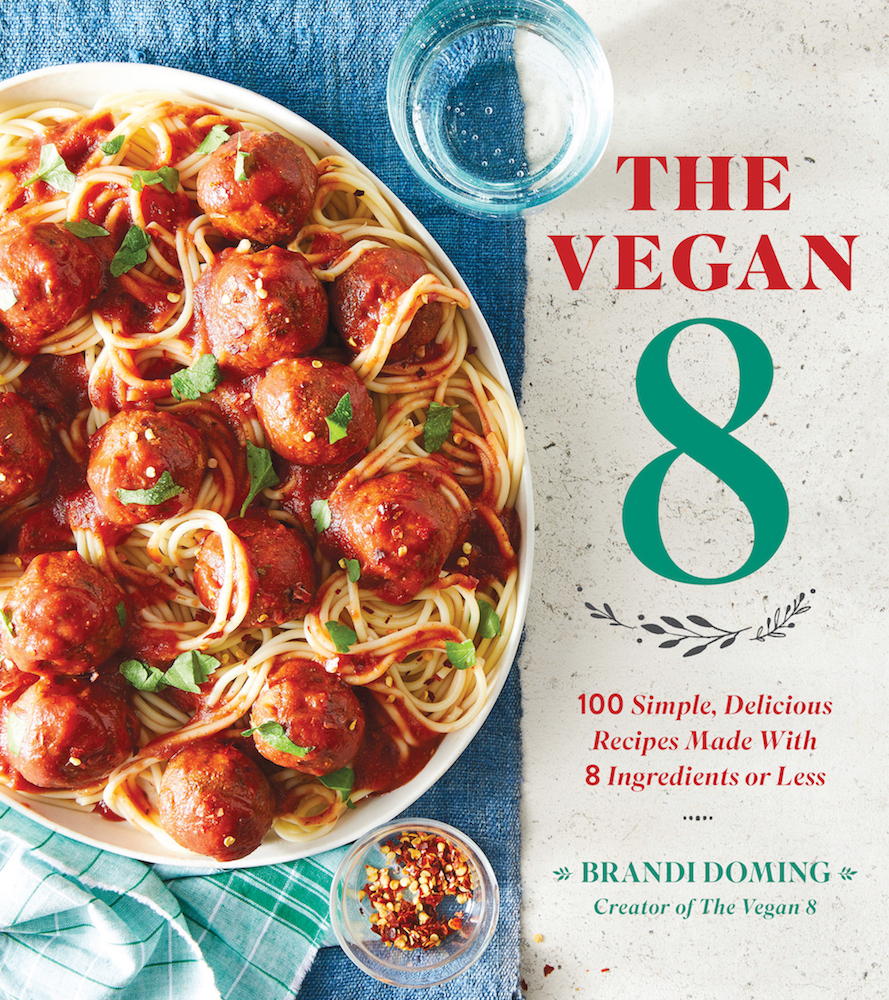
There are many on-line resources for those of you looking for an inspiration. This blog (obviously), as well as sites like Minimalist Baker and similar. Luckily for us, we now also have a cookbook that we can refer to when in need of simple vegan cooking. The cookbook is called The Vegan 8: 100 Simple, Delicious Recipes Made With 8 Ingredients or Less, by Brandi Doming, a blogger and recipe developer. Brandi’s story is the one of love for cooking from a very young age, then transitioning into vegan cooking later in live for health reasons as her husband suffers from a form of arthritis known as gout. So, Brandi had to adopt her cooking to help her husband navigate his condition. In doing so she has also decided to keep her recipes simple, and free of not only animal ingredients but gluten-free, oil-free, tofu-free, and frequently nut-free, which makes the food Brandi has been sharing with the world very allergy-friendly.

The new cookbook is richly illustrated and well organized, with an entire section dedicated to the “Vegan 8 Kitchen” where Brandi takes us through her kitchen and shares what are her go to staples, from sauces to flours. This was a great chapter to read and I would urge anyone who is just starting on their vegan journey, or who has been struggling with vegan food preparation to take a look. For me, the most informative was the section on different gluten-free flours as I am indeed trying to keep gluten out of my diet.

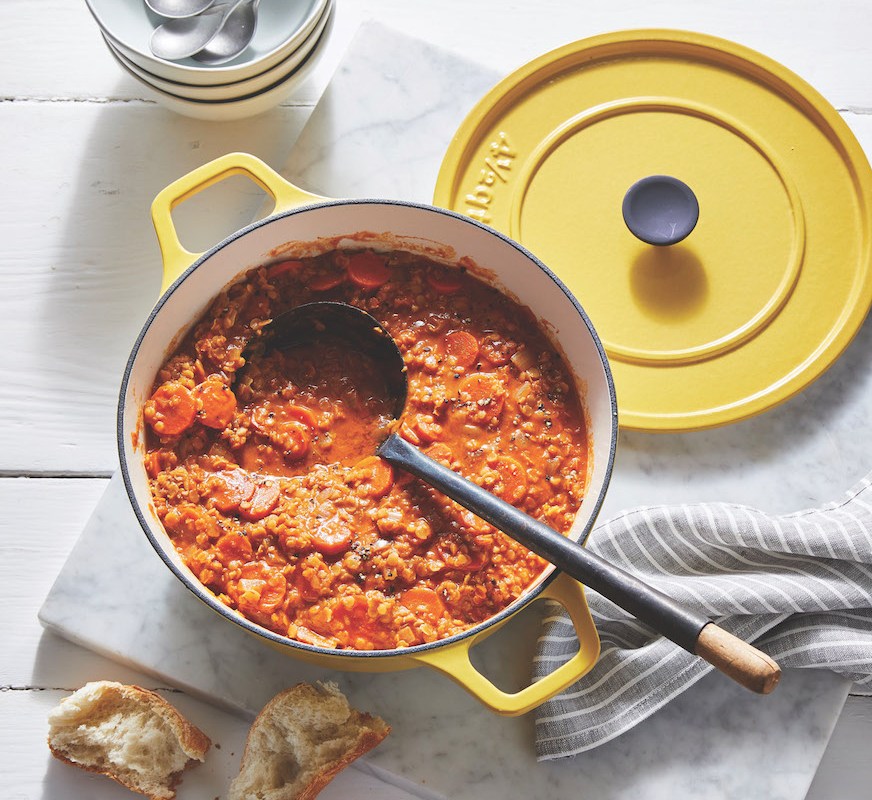
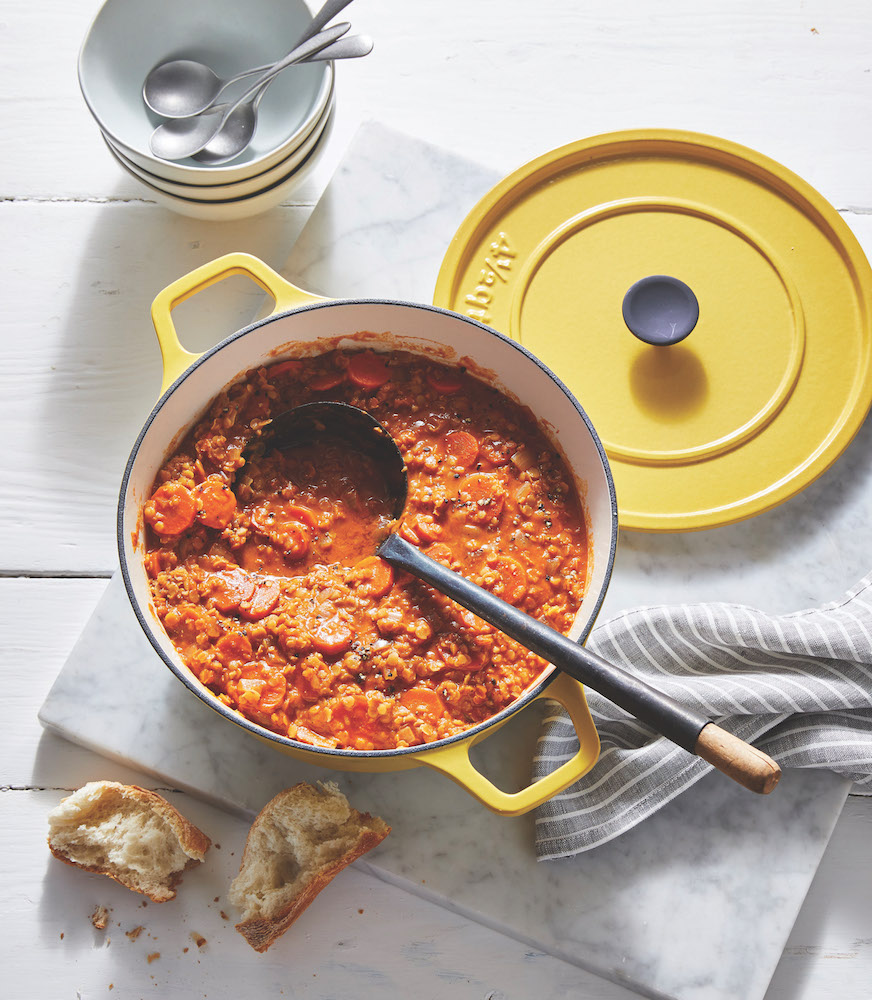
After flipping through the entire book, one recipe captured my attention – Hungarian Red Lentil Soup. There is a lot of Hungarian influence in Serbian cooking, and lots of paprika, so I wanted to give this one a shot. And it turned out really delicious! Although I was a bit skeptical about the amount of the sweet Hungarian paprika this recipe uses – two whole tablespoons! – I do think that the paprika is what makes this soup so good. By the way, my soup turned out very thick, more like a stew than a soup. But the flavors are amazing, and the soup/stew goes great over some basmati rice, so I have now made it several times as a main dish.

Overall, I found “The Vegan 8” to be a great resource for vegan cooking. Congratulations to Brandi and best of luck in the future!

Vegan 8 Red Lentil Hungarian Soup
Hungarian Red Lentil Soup, from “The Vegan 8” cookbook by Brandi Doming

REPRINTED WITH PERMISSION FROM “The Vegan 8” BY BRANDI DOMING, OXMOOR HOUSE 2018.

Hungarian Red Lentil Soup, by Brandi Doming

oil free   gluten free   nut free

Dinner doesn’t have to take forever. This recipe comes together fast, thanks to red lentils and easy ingredients. The Hungarian paprika, dry mustard, and tomato paste give this simple dish a wonderful depth of flavor. This soup goes great with some fresh crusty bread!

Prep: 15 minutes

cook: 23 minutes

Yields: 5 servings

1 packed cup (160g) diced yellow onion

3 medium carrots (154g), cut into 1⁄4-inch-thick slices

3 large garlic cloves, minced (15g)

1 cup (209g) dry red lentils, rinsed well with cold water

6 tablespoons (90g) tomato paste

2 tablespoons (15g) Hungarian sweet paprika

1 teaspoon (2g) dry mustard

1 1⁄2 teaspoons (9g) fine salt

1⁄4 teaspoon (1g) ground black pepper

1 cup (240g) canned “lite” coconut milk, well shaken


  1. Add the onion, carrots, garlic, and 1 cup (240g) water to a medium pot over medium heat. Bring to a simmer, and cook for 8 minutes, stirring a couple of times during, or until the veggies are tender but not overly so. Remove the pan from the heat, and add the lentils, 2 1⁄2 cups (600g) water, tomato paste, paprika, dry mustard, salt, and pepper. Stir well, and bring to a boil over high heat. Cover, reduce the heat to low, and simmer for 10 minutes.
  2. Add the milk, and increase the heat to medium-low; cook 5 to 10 minutes or until the lentils are tender yet still firm, and the soup thickens some. Stir often, and do not overcook, as you don’t want the lentils to become mushy. Taste and add more salt, if desired. Serve immediately.

Note: Make sure the paprika you are using is not hot paprika. For the milk, it is important to use a creamy milk like cashew or “lite” coconut milk here for best results. The “lite” coconut milk is very creamy but yields no coconut taste. Almond and rice milks don’t do well, and definitely don’t use full-fat coconut, as it is too rich and thick and will ruin the flavor.

RECIPE AND IMAGES REPRINTED WITH PERMISSION FROM “THE VEGAN 8” BY BRANDI DOMING, OXMOOR HOUSE 2018. NO FURTHER RE-PUBLISHING ALLOWED WITHOUT EXPLICIT PERMISSION OF THE ORIGINAL CONTENT CREATORS.

Disclosure: I received a free copy of this cookbook through a community of vegan bloggers. This did not influence my views about the recipes I tried thus far and mentioned above.

Heavenly Crispy Dark Chocolate and Fruit Bar

58f2b064-adab-44db-ab2d-5d0ceb3e4513
Heavenly Crispy Dark Chocolate and Fruit Bar, via Eat the Vegan Rainbow

Behind every recipe there has to be a story. And behind this one there really is not much to tell. I was craving something sweet and chocolaty, and debating what to make, when I came across a recipe for vegan fudge that comes together in a bowl with no baking or complicated steps required.

I love these types of recipes where the most “cooking” or “baking” you have to do is melt some chocolate. My go to recipes are different types of balls, or bon bons if you like, and I made some using pumpkin for a nice Thanksgiving treat, some using apples, walnuts, and dates, and a recipe that made them taste like chocolate chip cookie dough.

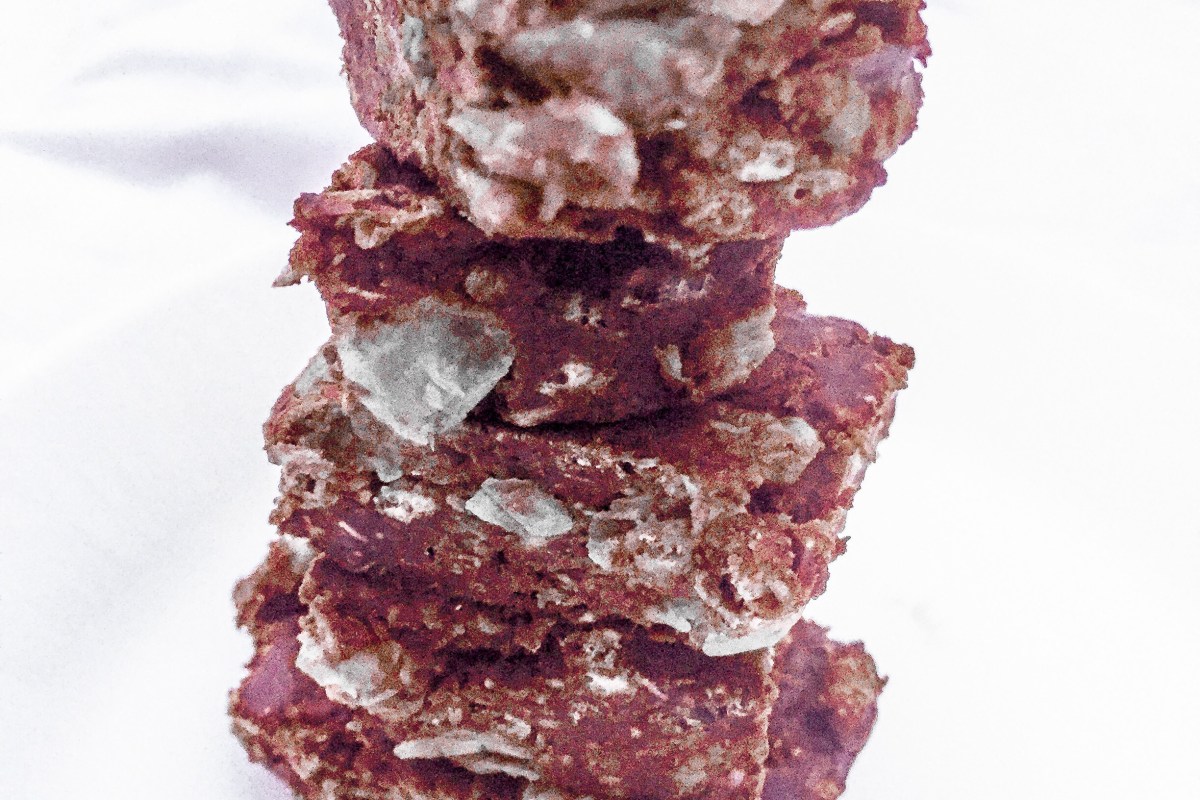
This recipe takes me back to my childhood and reminds me of chocolates with chewy fruit and crunchy nuts that were so much fun to eat. For those of you who like your chocolate smooth, this may seem too weird, do keep en open mind. These bars have just the right balance of crunch, chewiness, coconut flavors, and chocolate that they will put a smile on your face in single bite. Plus: they have no added sugar, as they get plenty of sweetness from golden raisins.

For the  crunch you could use any mild tasting breakfast cereal, like crispy rice, corn flakes, or something like Cheerios. You can also skip cereal all together and go for some nuts. Chopped walnuts, hazelnuts or pecans would work really well in these bars; while cashews, peanuts or macademia nuts are probably not going to give you what you are looking for in terms of the flavor.

For the chewy fruit component, golden raisins work really well, but you could use dark raisins or dried cranberries. No matter which one you decide to go with, before you use the dried fruit, soak them in hot water for at least an hour. The raisins will be plump and juicy after soaking, so you will need to drain them, pat them dry, and they are ready to go.

If you are wondering how to melt the chocolate, you have two options: double boiler ad microwave oven. I use the microwave method where I combine the chocolate with a bit of cream or milk and microwave on high for 30 seconds. I take the bowl out, mix well, and put back for another 30 seconds. Mix again and repeat until most but not all (about 75-80%) of the chocolate has been melted. At that point the mixture has enough internal heat to melt the rest of the chocolate chips with constant mixing. This will give you smooth and well melted chocolate. If you are using a double boiler you will have to continuously mix the chocolate as it melts – don’t walk away! Having the chocolate go too far is not fun!

The bars are really mix, pour and let it set type of treat. I recommend that you line your deep dish with some parchment or wax paper, and that you let these bars set at room temperature, which will take a bit longer than if you put them in the fridge. You should store them in the fridge, in a container with a tight lid, but for the best burst of flavor do let them warm up just a bit before biting in. Yummy!

Crispy Dark Chocolate & Fruit Bar

What you’ll need:

10 oz. (283 g) vegan dark chocolate chips (I used Enjoy Life mini chips)

1 cup crispy rice cereal (like Nature’s Path)

1 cup golden raisins, soaked in water, drained and pat dried

1 cup unsweetened coconut flakes

1/4 cup coconut oil, melted

2 tablespoons coconut milk, cream or any vegan half & half (I used ripple, plain & unsweetened)

What you’ll do:

  1. Soak golden raisins in some hot water for at least an hour. You want them to be nice and plump. Drain them, and pat dry them add to s large mixing bowl.
  2. Add rice crispies, melted coconut oil, and unsweetened coconut flakes. Mix well.
  3. Line an 8 x 8 (20 cm x 20 cm) baking pan with some parchment paper. Set aside.
  4. In a microwave safe bowl (or a double boiler) mix the chocolate chips with coconut cream (or milk or half & half), and melt the chocolate slowly. If using a microwave, check and mix your chocolate every 30 seconds. Pull the chocolate out when 75% is melted. Keep stirring and the residual heat will melt the rest of the chocolate chips.
  5. Pour the melted chocolate over the rice crispies, raisins and coconut flakes. Mix well.
  6. Pour the chocolate mixture into the pan, even it out, and leave in on the kitchen counter for at least an hour. This will allow for the chocolate to harden and settle. If you are in a hurry you can use the refrigerator – in that case the bars will be ready in about 15 minutes depending on how thick you made them.
  7. Take the chocolate out and let it come to room temperature before cutting and serving. These little treats are great on the go bites as well, so you may want to make a double batch!

Copyright © Eat the Vegan Rainbow, 2018

Snickerdoodled Gluten-free Pancakes

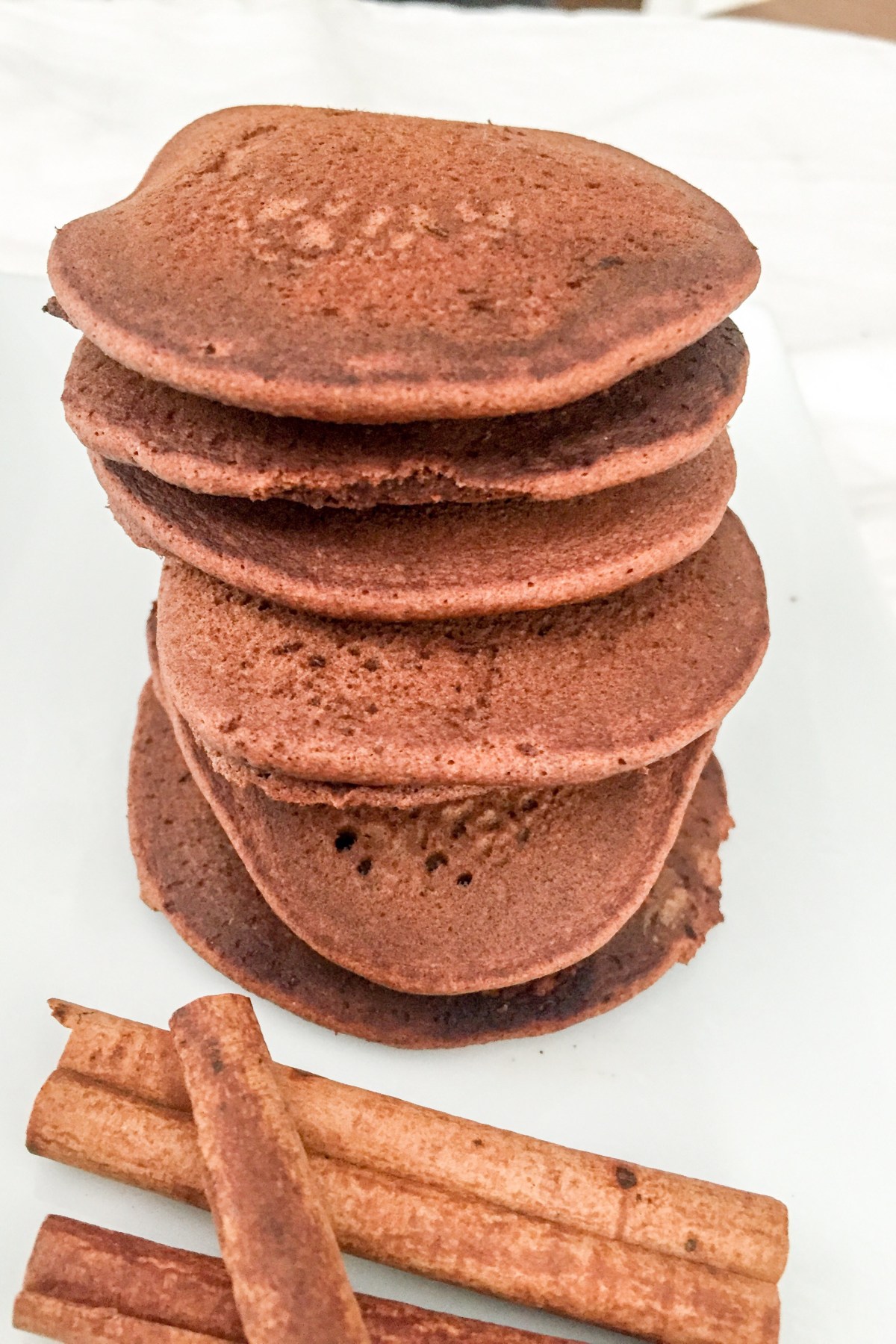
Snickerdooled Gluten-free Vegan Pancakes, via Eat the Vegan Rainbow

Autumn and winter are both better with some cinnamon. This spice, which is actually a tree bark, fills our homes and kitchens with calm and coziness comes colder weather and can often be found in all the delicious food that surrounds our harvest and winter holidays. For example, cinnamon was the key spice that I used for my Spice Infused Apple Butter, and has made a significant appearance in Pumpkin Truffles, Buttercup Squash Pie, and Pecan Apple Baklava!

But, I don’t want to leave you with an impression that cinnamon is only good for sweets and treats. Actually, this rich spice can add a lot to Sweet Potato Burgers and Meatless Keema Matar, both lovely main dishes with complex flavor structure.

Having said that, these “snickerdoodled” pancakes are probably the recipe with the most cinnamon powder I ever used! If 1/4 cup of cinnamon seems like a lot you could start with less, but for the full snickerdoodle flavor on your breakfast plate I recommend going full blast ahead into the cinnamon bliss.

Because these pancakes are so rich in flavor you really don’t need to fuss too much about condiments and toppings. These are great with a splash of maple or agave syrup, or a dollop of a plant-based vanilla yogurt, or a simple Vanilla Sauce. I hope you give these a try – your kitchen will smell fantastic and your tummy will be happy!

If you prefer regular flour, this recipe can be made following same steps below using 1 cup white wheat flour, 1 cup whole wheat flour, omitting corn starch, and going from there. In this case, please go easy with adding water, and start with 1 1/2 cups – that might be enough.

Snickerdoodled Gluten-free Pancakes

What you’ll need:

1 cup fine corn flour

1 cup chickpea flour

1/2 cup corn starch

2 teaspoons baking soda

1/4 cup cinnamon powder

1/4 cup sugar (vegan)

1/4 cup vegetable oil

2-3 tablespoons lemon juice (juice of 1/2 lemon)

1 1/2 to 2 cups water

What you’ll do:

  1. Combine all dry ingredients in a large mixing bowl. Mix well, then add oil, lemon juice and 1 1/2 cup water. Whisk the pancake batter together, making it smooth and lump-free. The batter should be dense yet flowing, and you can add up to an additional 1/2 cup of water if needed. Please do add this last bit of liquid gradually to avoid adding too much. The mixing can be done in a blender, in which case you will need to add liquid ingredients first (1 1/2 cup water + oil + lemon juice) and then dry ingredients. Mix everything well before deciding whether any additional water is needed.
  2. Let the batter rest for 5-10 minutes.
  3. Heat a non-stick pan (or a non-stick griddle) until very hot. I usually crank the heat on my burner to the maximum for 1-2 minutes than lower down to medium-high before pouring in the batter. Please note that if you are using a cooking surface that is far from non-stick you will need to brush on some oil to prevent the pancakes from sticking.
  4. Ladle 1/4 cup of batter for each pancake. Let them cook on one side until bubbles stop to form (2-4 minutes), then flip the pancake over and cook on the second side for an additional 2 minutes.
  5. Serve hot with maple syrup or a simple Vanilla Sauce.

Copyright © Eat the Vegan Rainbow, 2018

SaveSave

Baked Spaghetti Marinara

Baked Spaghetti Marinara
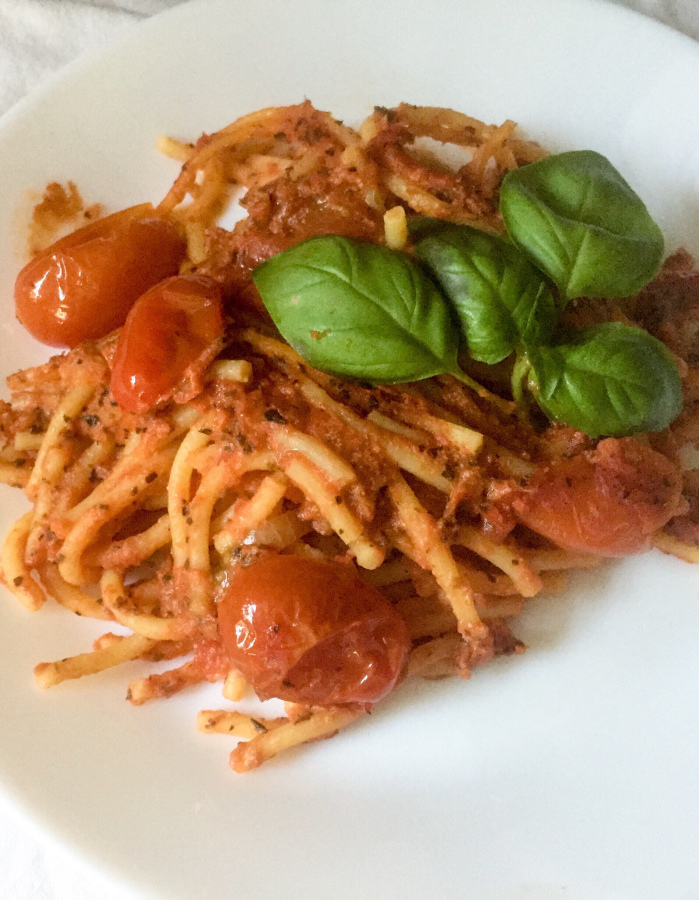
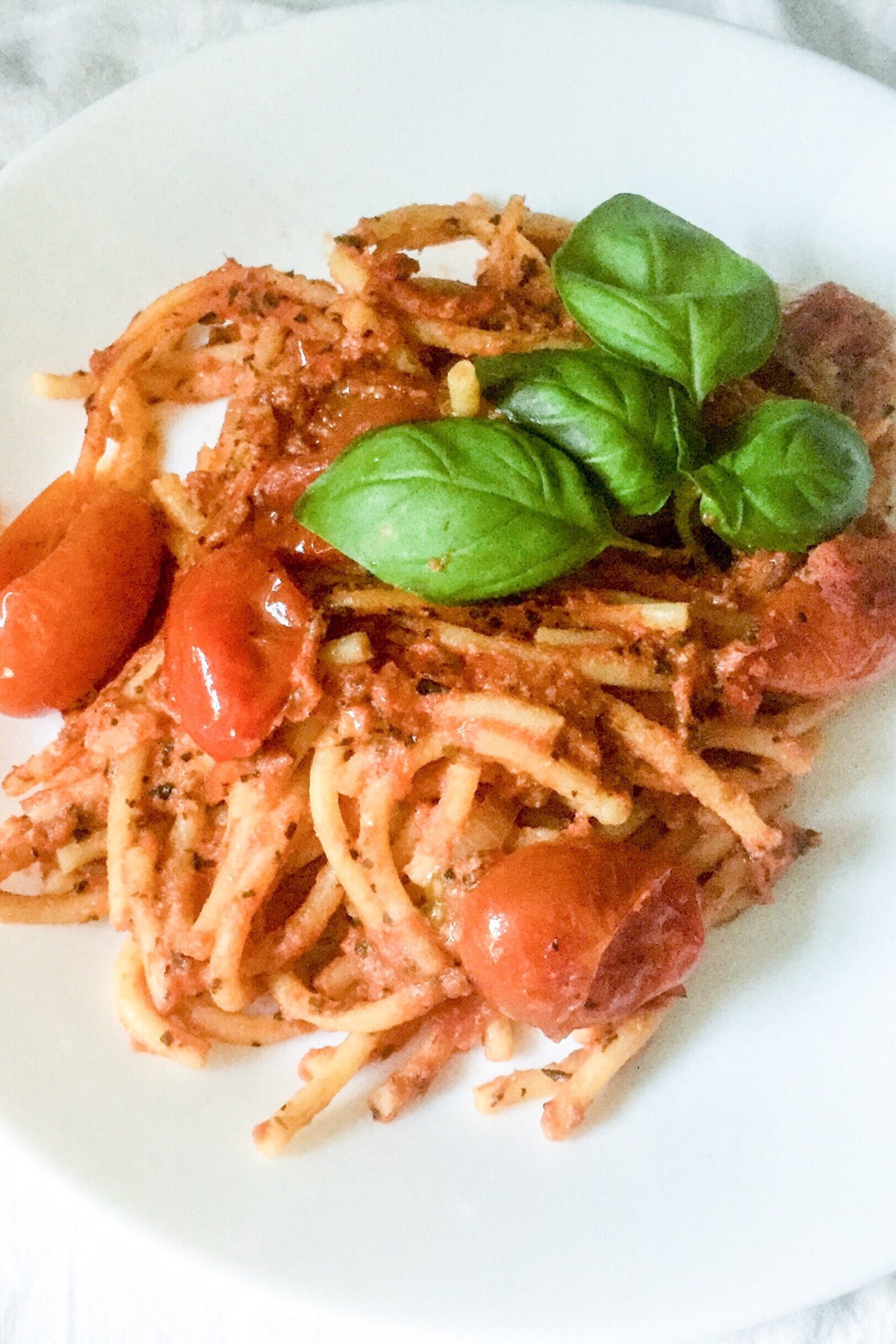
Baked Spaghetti Marinara, via Eat the Vegan Rainbow

What can be better than spaghetti tossed with a simple tomato sauce, and sprinkled with some parmesan cheese, olive oil and fresh basil? For me, pasta, and especially spaghetti, have been a huge go to food because they are (a) easy, quick and cheap to make, and (b) absolutely delicious!

Marinara sauce for all seasons

In my view, simple marinara sauce is the best sauce for dressing the spaghetti. Yes, sure, bolognese is also pretty good, especially this amazing lentil and mushroom bolognese sauce, or this ragù made with lentils and walnuts. Marinara sauce is the type of simplicity that can only be described as pure genius. The sauce is tomato based and usually includes only a couple of additional ingredients, like olive oil, garlic, onions, and herbs, like oregano and basil.

Homemade marinara sauce to the rescue

Although I have been known to reach for a jar of store-bought marinara sauce from time to time, I do prefer to make this sauce myself. It’s actually one of the easiest things to make as all you need is some olive oil, garlic, tomato sauce, and dried oregano and/or basil. The sauce is done in less than 15 minutes, which is probably less time than it will take you to boil the spaghetti given that getting a large pot of water to boil does take forever, and your dinner will be ready and on the table in a blink of an eye.

From quick pasta to baked pasta

However, if you do have a bit more time and don’t have to rush I recommend that you give the recipe below a try. It is essentially the same recipe, just elevated to a bit more gourmet experience. The sauce is made with fresh and canned tomatoes, and includes nutritional yeast that boosts the “cheesy” flavors. The spaghetti and sauce are mixed together then baked to create a nice balance of smooth, soft, and just slightly crunchy. Given some gluten sensitivity, my recipe here was made using gluten-free pasta, but you can use any spaghetti you like. I recommend that you cook spaghetti only 80% through as they will continue to cook in the sauce as they bake. I also recommend that you use an ovenproof pot, such as a Dutch oven I used below, in order to go from the stove top directly into the oven.

Don’t forget fresh basil

Finally, don’t forget to top your pasta with some fresh basil. We all know what that will do of you, so let’s not belabor the point. Trust me, this Baked Spaghetti Marinara will quickly become your favorite!


Baked Spaghetti Marinara

What you’ll need:

1 lbs (454 g) box spaghetti (regular or gluten free), cooked al dente

4 cloves garlic, finely sliced

1 pint (10 oz, about 300 g) cherry or grape tomatoes, halved

1 28 oz (794 g) can of chunky crushed tomatoes

1/2 cup nutritional yeast

2 teaspoons dried oregano

2 teaspoons dried basil

2 tablespoons olive oil

Fresh basil

A pinch of salt

What you’ll do:

  1. Preheat the oven to 350 F (175 C).
  2. Bring a large pot of water to boil. Add a pinch of salt, then place spaghetti gently into the boiling water until fully submerged. Cook about 1 minute less than what the instructions on the box suggest. The spaghetti should be al dente, meaning still a bit underdone.
  3. Simultaneously with making the spaghetti, start working on your sauce. Add the oil to a large, ovenproof pot. I used my Dutch oven for this one, and it worked well. Place the pot over the medium heat, and add the sliced garlic. Let the garlic brown for 1-2 minutes.
  4. Once the garlic starts to release its aroma, add the halved cherry (or grape) tomatoes, and sauté until tomatoes are softened. This will take about 5 minutes.
  5. Add the nutritional yeast and let it brown for only a minute.
  6. Next, add the crushed tomatoes and mix well. When the sauce starts to bubble, add dried herbs, cover with a lid and simmer for 5 to 10 minutes.
  7. Turn the heat off, and add the cooked spaghetti to the sauce. Mix well until spaghetti are evenly distributed and fully covered. Place the pot into the oven and bake for 20 minutes or so, until the edges and the top are nicely browned.
  8. Serve with fresh basil and enjoy!

Copyright © Eat the Vegan Rainbow, 2018

SaveSave

SaveSave

SaveSave

SaveSave

Stuffed Portobello Mushrooms with Red Quinoa, Sunflower Seeds, and Sun Dried Tomatoes

ca3f7cb0-2cf1-4415-8293-c08cb1f5def2
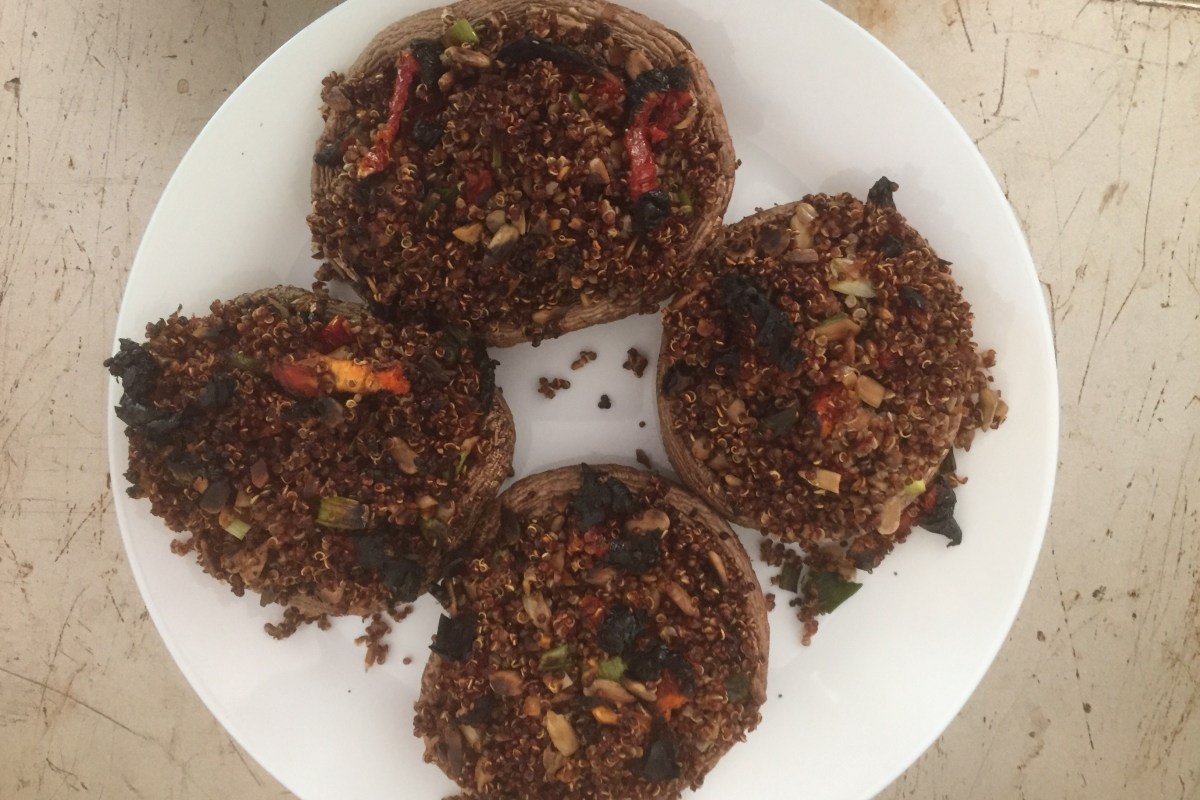
Stuffed Portobello Mushrooms with Red Quinoa, Sun Flower Seeds and Sun Dried Tomatoes, via Eat the Vegan Rainbow

Let’s talk about umami. You know, that special kind of taste that tells you something is savory. Not bitter, not salty, not spicy, not sour, but simply and enjoyably savory.

What is behind umami?

We perceive the taste of our food thanks to different kinds of taste receptors, very specialized types of proteins decorating our tongue cells. These receptors recognize molecules in our food, relay what’s in our mouths to the brain, and the result is our perception of different tastes. Although salty, sour, sweet and bitter have been recognized for a very long time (thousands of years), umami has been known for just over a century, and known to western cultures and science for less than two decades being originally discovered by a Japanese scientist, Kikunae Ikeda. The main thing behind umami is glutamate, an amino acid that occurs quite naturally in many food sources.

What are vegan sources of umami?

Although naturally occurring and therefore easily found on many plates, the umami flavors are usually tightly associated with meat. So, it is critical for anyone who is embarking on a vegan culinary voyage to learn about plant-based sources of umami. Here, tomatoes, mushrooms, potatoes, toasted nuts, and soy sauce reign supreme. This means that including one or all of these ingredients into your next savory concoction is a must and the recipe below fully embraces this suggestion!!!

Maximizing vegan umami flavors

Some of my favorite sources of savory deliciousness are portobello mushrooms and sun dried tomatoes. I use these ingredients in many different ways, either by themselves, or when building things like burgers. In the recipe below, large portobello mushrooms become a perfect vessel for a stuffing made of red quinoa, sun dried tomatoes and sunflower seeds. The result is a hearty dinner fare, that when paired with a light salad goes a long way. And did I mention how healthy this food is? With mushrooms, quinoa and seeds, you really can’t go wrong!

Stuffed Portobello Mushrooms with Red Quinoa, Sunflower Seeds, and Sun Dried Tomatoes

What you’ll need:

4 large portobello mushrooms, stems removed

1/2 cup red quinoa

3/4 to 1 cup water

2-3 scallions, trimmed

3 oz. sun dried tomatoes, thinly sliced

1/2 cup sunflower seeds, raw and unsalted, roughly chopped

1 teaspoon dried basil

1 tablespoon olive oil

2 tablespoons fresh flat leaf parsley, chopped

What you’ll do:

  1. Place 3/4 cup of water into a small pot and bring to boil. Add quinoa, stir well, bring back to boil then reduce heat to a gentle simmer. Let quinoa cook for 20 minutes or so. Check for doneness, and add more water, 1/8 cup at a time, letting quinoa soak it up as it simmers. This amount of quinoa should not require more than 1 cup of water and more than 30 minutes of simmering. Let quinoa cool as you prepare the rest of the ingredients.
  2. Turn your oven to broil. Line a baking sheet with parchment paper and arrange the portobello caps, their opening facing down. Broil the mushrooms for 5 minutes, then turn them over and broil for another 3 minutes. By this time, portobello mushrooms should be cooked through. Invert the caps to remove excess liquid, then let the mushrooms cool while you finish making the stuffing.
  3. While mushrooms are broiling, place a large pan over the medium high heat. Add the oil, and finely sliced scallions. When slicing the scallions trim the ends then use both green and white parts.
  4. Let scallions brown for 1-2 minutes then add the finely sliced sun dried tomatoes and dried basil. Mix well and sauté for 2-3 minutes.
  5. Add sunflower seeds that have been roughly chopped and mix well. Let the seeds toast for 2 minutes or so with constant stirring.
  6. Add quinoa, and turn the heat off. Once the heat is off, mix in the parsley and make sure everything is well combined.
  7. Place the portobello mushrooms in a deeper baking dish, spoon the stuffing in, then place the mushrooms back under the broiler to char the tops. This will take 1 minute or so – and you need to pay attention here to prevent burning! If you end up with more staffing than you can fit into your mushrooms, you can serve it separately as a side dish or you can use it as a base for your stuffed mushrooms.
  8. Enjoy these stuffed mushrooms hot, with a side salad and perhaps a slice of fresh bread!

Copyright © Eat the Vegan Rainbow, 2018
SaveSave

Dolmas – Stuffed Grape Leaves

img_4840
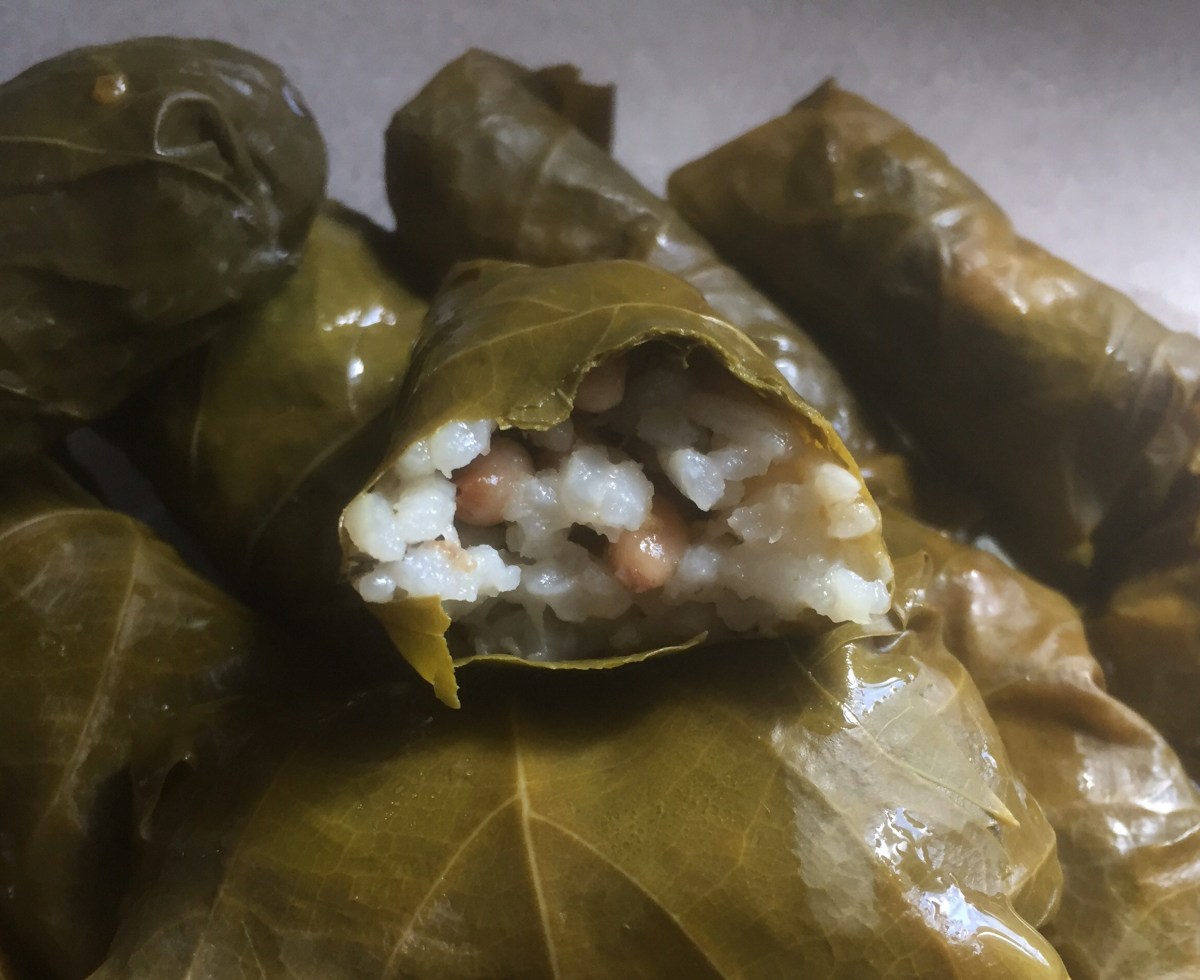
Dolmas, Stuffed Grape Leaves via Eat the Vegan Rainbow

Dolmas, stuffed grape leaves, are these delicious savory morsels that you can often find at salad bars, as well as many Greek and Middle Eastern restaurants.

They are one of my favorite appetizers, and although I enjoy them enormously I have not been brave enough to actually make them myself. But, last time I was browsing through my local Indian store I noticed a jar of grape leaves and went for it!

Believe it or not, dolmas are not all that hard to make. They do take time, and lots of hands-on but you end up with a huge batch that can serve a large party so it’s definitely worth the effort. Making dolmas at home will allow you to customize the recipe – in my case that meant less oil, more lemon juice, and adding some pine nuts to diversify the texture.

These dolmas are phenomenal, and will impress your guests to no end! You can eat them warm, you can eat them cold, you can serve them with some hummus or with a dollop of sour cream or yogurt. You can make them into a sandwich with some pita bread or enjoy in your salad the next day if you happen to have leftovers.

If you want to learn the basic “stuffing the leaves” technique, please check my Stuffed Cabbage Rolls post for step-by-step guide!

Stuffed Grape Leaves

What you’ll need:

1 cup rice, medium grain

1 3/4 cup water

6 scallions, finely chopped (green and white parts)

4 cloves garlic, finely sliced

1 cup pine nuts

1/4 cup flat leaf parsley, finely chopped

3 tablespoons fresh mint leaves, finely chopped

1 lemon, zest and juice

1 large jar of grape leaves (2 lbs (1 kg) or similar)

2 tablespoons olive oil

What you’ll do:

  1. Combine medium grain rice with water in a large pot and place over the medium high heat. Bring to boil then turn the heat down to simmer. Cook the rice until fully cooked which takes 15 to 20 minutes. The rice should be soft and sticky.
  2. When the rice is ready, place a large frying pan (or similar) over the medium heat, add oil, scallions, garlic and pine nuts, and let brown for 1-2 minutes. The pine nuts should be well toasted but not burned so keep mixing and keep your eye on the pan.
  3. Add the rice, parsley and mint, and mix well. Let everything cook for another 5 minutes or so.
  4. Turn the heat off, and add lemon juice and lemon zest. Mix everything together and let cool for 1-2 hours.
  5. Open the jar of grape leaves and gently unfold each of the stacks. These will be tightly packed, and you will need to gently peel each grape leaf off. Keep all the leaves, big, small, regular, wacky, ripped and whole because you will use the best ones to make dolmas and the not so great ones to line the pan and create a cozy cooking environment for your stuffed grape leaves.
  6. Use the not so great leaves to completely cover the bottom os a large pot (like a Dutch oven) with grape leaves. I recommend doubling the leaves, so that you have a nice, thick layer at the bottom.
  7. Take bigger leaves, and stuff them. This is actually not that hard – place a leaf on a flat surface and put a tablespoon of stuffing at the bottom of the leaf, where the stem used to be. Use your fingers to form the stuffing into a tight ball – this will help hold everything together. Put the stuffed grape leaf into the pot and continue rolling the dolmas until you run out of the stuffing. If you need to make multiple layers of dolmas in your pot, remember to cover each layer with lots of grape leaves.
  8. Turn the heat to medium high, and simmer dolmas for about 15-20 minutes. Serve cool, at room temperature, and drizzle with some olive oil and freshly squeezed lemon juice just before serving. Enjoy!

Copyright © Eat the Vegan Rainbow, 2018

Sunday Morning Cookbook Review: Mindful Vegan Meals

unnamed
REPRINTED WITH PERMISSION FROM “Mindful Vegan Meals” BY MARIA KOUTSOGIANNIS, PAGE STREET PUBLISHING CO. 2018.

No matter how many recipes you create, or experiment with, or just simply throw together, there are always tips, tricks and inspirations to be found by studying other people’s styles and approaches. The flavor and ingredient combinations are endless, and I enjoy opportunities to learn from others. For example, I loved the recipe for BBQ ribz that I found in Great Vegan BBQ Without a Grill so much that I had to create a gluten-free version that uses similar strategy but omits the wheat gluten, which my husband can’t consume, and uses quinoa instead. The result is equally as delicious, packed with protein, great texture and flavor.

Past spring, I had a pleasure of reading through a new cookbook by Maria Koutsogiannis, a Greek-Canadian blogger promoting healthy eating habits, plant-based nutrition, fitness and wellness via FoodByMaria. The cookbook called “Mindful Vegan Meals” comes with a subtitle reminding us that “food is your friend“, and includes a story of Maria’s touching personal journey from an eating disorder to wellness, health and happiness.

Each recipe comes with a brief story that frames it, and makes it even more real, even more relevant. The photography is mindfully artistic, elegant and beautiful, making this cookbook a visually stunning experience. The content is organized in seven chapters that defy the tradition. Instead of going from breakfast, lunch, dinner mains or similar, we are taken through: Carby, Healthy and Comforting Mains; Back to My Roots (all about some great examples of veganized traditional Greek recipes); Energy-Packed Salads; Falling in Love with Breakfast; Fueling & Refreshing Beverages; Treating Yourself, You Deserve It; and Add Pizzazz to Your Food (because who wouldn’t) – words in parentheses my own.

In addition to offering some great Greek recipes, Maria takes us around the world with recipes inspired by different regions, including great Asian and Asian-inspired recipes. The one that really caught my eye was “Summer Salad Rolls with Walnut Beef and Peanut Sauce“. These are fresh spring rolls made with rice paper and accompanied by a dipping sauce. I love making fresh spring rolls and have enjoyed quite a variety of them over the years, so one would think that by now I’ve seen it all they have to offer. Not so! Maria’s recipe introduced me to a new variation on the theme that is delightful – using walnut beef and mango as key ingredients. The combination of these two with mint, cilantro, rice noodles, sprouts, avocado and pepper matchsticks really makes these rolls a unique experience.

Maria’s cookbook includes a nice peanut butter lime dressing and those types of dips in general go really well with fresh spring roles. If you are looking for some great and easy to make dipping sauces my recipe for sushi includes two yummy examples that will definitely work.

Needless to say I recommend that you check the cookbook out and see for yourself. The recipe below will help you make the “Summer Salad Rolls with Walnut Beef and Peanut Sauce” and it has kindly be provided by Maria’s publisher. If reposting, please acknowledge Maria as the source, and enjoy!

SALADROLLS1 copy
REPRINTED WITH PERMISSION FROM “Mindful Vegan Meals” BY MARIA KOUTSOGIANNIS, PAGE STREET PUBLISHING CO. 2018.

Summer Salad Rolls with Walnut Beef and Peanut Sauce

SERVINGS: 4

A little twist on a classic salad roll is up next! I mean, come on, how excited are you to try out walnut beef? After adapting the recipe and practicing it a few times I finally came up with this goodie! These rolls are slightly time consuming but when they are made they are the perfect snack to bring along to school, work or on the road. They are super easy to stow away in a container and enjoy later when you’re feeling up for a delicious snack. I highly recommend enjoying with the bad-ass peanut sauce I’ve suggested—it pairs perfectly with the slightly crunchy walnuts and fresh and creamy avocado and mango! Yum!

WALNUT BEEF

2 cups (200 g) crushed walnuts
Juice of 1 lime
3 tbsp (45 ml) soy sauce
1 tbsp (13 g) coconut sugar
½ tsp fresh grated fresh ginger
3 cloves garlic, pressed
1 tbsp (20 g) hot sauce
1/4 tsp 5-spice powder
Salt and pepper to taste


SALAD ROLLS

10 rice paper rolls
3 cups (100 g) alfalfa sprouts or 3 cups (528 g) cooked white rice noodles
1 ripe mango, thinly sliced
1 large bunch of mint, thinly sliced
1 large bunch of cilantro, stems removed
1 large yellow pepper, cut into matchsticks
1 ripe avocado, thinly sliced
3 medium carrots, shredded
Spicy Chili Peanut Butter Lime Dressing (Also included in Maria’s cookbook)


In a medium-sized bowl, mix the walnuts, lime juice, soy sauce, coconut sugar, ginger, garlic, hot sauce, 5-spice powder and salt and pepper. Give the mixture a good stir and set aside.
Bring 4 cups (1 L) of water to a boil. Slice or cut any fillings you will be using. Arrange a preparation station with all your ingredients. Fill a large shallow dish with the boiling water and place a damp cloth next to it on the kitchen counter. Have a plate and another damp dish towel on hand.
When you are ready to assemble your rolls, dip the rice paper into the water just long enough to soften, 10 to 20 seconds, then quickly and gently transfer to the damp cloth. Add your desired fillings, then gently roll over once, fold in both sides and then roll again to seal the salad roll. Place onto a serving plate and cover with another damp, room temperature kitchen towel. Repeat above steps until you run out of toppings. Store leftovers covered in the refrigerator for 2 days.

Note
If you are prepping these rolls to eat during the week I recommend leaving out the mango and avocado because they will brown and not stay as fresh as the other vegetables.

RECIPE AND IMAGES REPRINTED WITH PERMISSION FROM “Mindful Vegan Meals” BY MARIA KOUTSOGIANNIS, PAGE STREET PUBLISHING CO. 2018. NO FURTHER RE-PUBLISHING ALLOWED WITHOUT EXPLICIT PERMISSION OF THE ORIGINAL CONTENT CREATORS.

Disclosure: I received a free copy of this cookbook through a community of vegan bloggers. This did not influence my views about the recipes I tried thus far and mentioned above.

Escarole and Lentil Soup

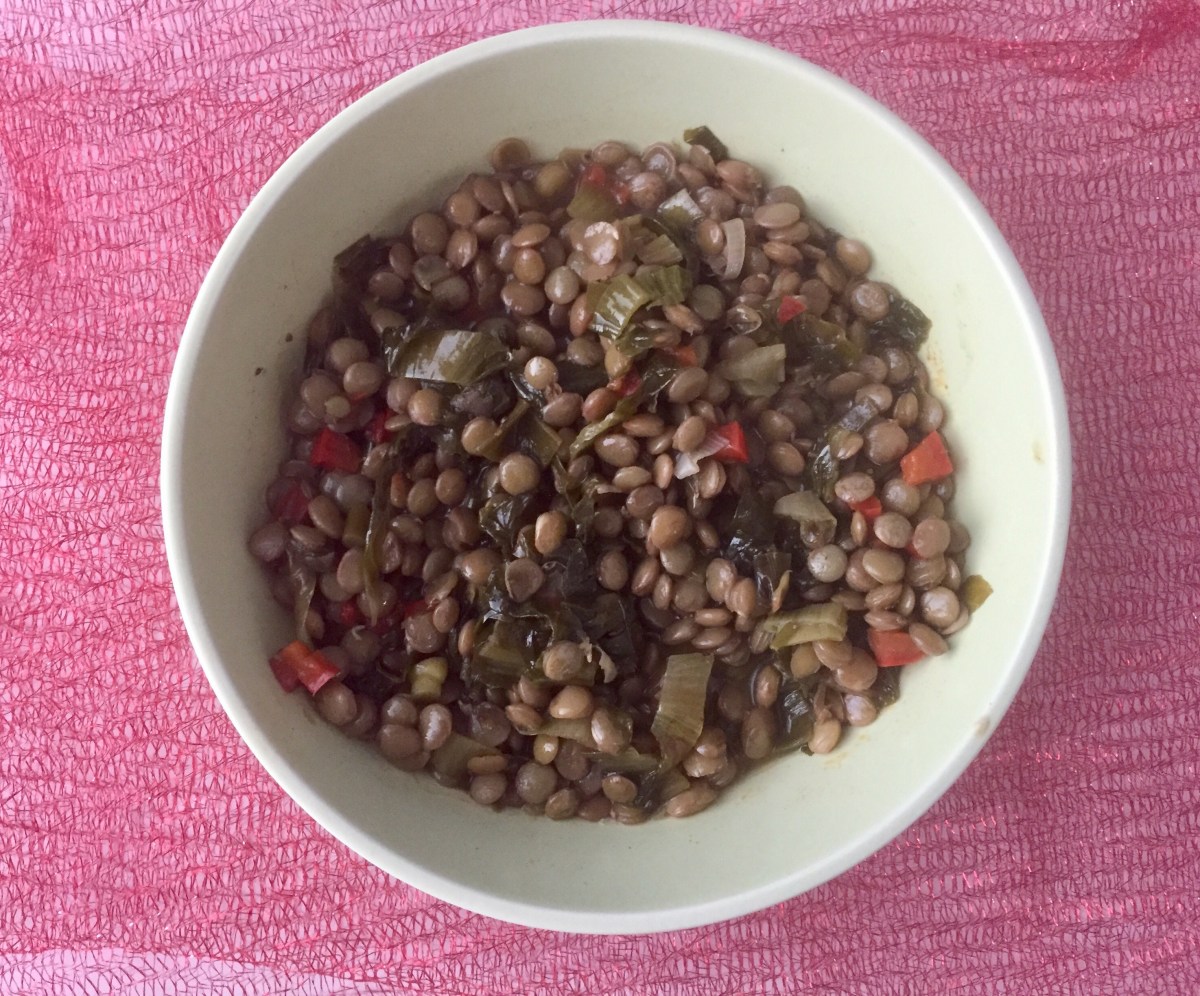
Escarole and Lentil Soup, via Eat the Vegan Rainbow

Soups are some of the easiest types of meals you can make. They can, of course, be light and serve to open your appetite and cleanse your palate – so if you are up for a five course meal don’t skip your soup! Having said that, that type of a soup is not what this post is about.

One-pot dinner wonders

Hearty soups are those wonder recipes that take only a handful ingredients and a single pot to make a huge amount of food to feed an army. Hearty soups, and, to be honest, soups in general, freeze well as well as taste even better the next day! This all means that if you have an hour of time, a chopping board, and a large pot you can make yourself a big batch that can see you through for a while.

How to make a hearty, yet meatless soup

Many may think that meat is the only way to boost the heartiness. This is a myth and simple to dispel. All you need is a nice selection of some soup basics, like onions, celery, garlic, carrots, parsnips, peppers – these types of ingredients will make a flavor base for your soup.

Another type of flavoring agents you may want to employ are vegetable stock, bouillon cubes or bouillon base. I use the stock fairly often – you do need to experiment a bit to find one you like. However, I find both the bouillon cubes and base to be too salty and full of stuff I don’t need/want. It’s up to you to decide whether these are the best way to enhance flavors of your soups and other dishes.

Additional key ingredients for a hearty plant-based soup are the legumes (beans, lentils, chickpeas, peas), and starches (potatoes, noodles, and rice). You can use both legumes and starches together, of course, but in the recipe below I use lentils only.

Finally, you can really refresh your hearty soup by throwing in some nice green leafy vegetables. Things like kale, spinach, chard, and escarole are all an excellent addition. This kale soup is a good example from a while back!

Re-thinking escarole and bean soup

In this one pot hearty soup recipe, I decided to play around with a very traditional escarole and bean soup recipe. Instead of the beans, the recipe uses brown lentils. Moreover, it starts with a mix of scallions and diced red pepper, this completely abandoning the traditional onion and celery. The result is a thick soup, where richness of lentils is balanced out by the escarole. Overall, one head of escarole and one pound of lentils go a long way, making this a budget-friendly recipe. Lastly, since the recipe is wholesome and uses only main stream ingredients, this is something you can serve with vegans and non-vegans alike.

Escarole and Lentil Soup

What you’ll need:

1 tablespoon olive oil

2-3 scallions, trimmed and finely sliced

1 sweet red pepper, finely diced

1 escarole, washed and chopped into bite sized pieces

1 lbs (454 g) brown lentils, rinsed and sorted

4 cups vegetable broth

2-4 cups water


What you’ll do:

  1. Place a large and heavy pot over the medium high heat – I recommend using a Dutch oven, but any heavy and large pot will do. Add oil and chopped scallions and brown for 1-2 minutes.
  2. Add the diced peppers, lower the heat to medium low, and sauté for 5-8 minutes.
  3. While the scallions and peppers are sautéing, wash and chop the escarole, and rinse and sort lentils. Add the escarole first, and let it wilt down. This will take 4-5 minutes. Then add the lentils, pour the stock in, and add 2 cups of water to begin with.
  4. Turn up the heat, bring the pot to boil, then lower the heat down to a gentle simmer. Let the soup simmer for 45 minutes or so, with occasional stirring. If you think the soup is getting too dense, add some more water in – but do go slow and only add 1/4 cup to 1/2 cup of water at a time. After about 45 minutes of simmering the soup will be ready to enjoy. Taste test first to make sure it is salty enough for you (I don’t add extra salt since the vegetable stock I use is usually enough, but this is something you can easily adjust depending on your preferences), and that lentils are fully cooked – they should be soft by this point.
  5. Enjoy the soup with some bread, or with a salad. You can top it with a dollop of vegan sour cream, yogurt (my favorite brand is kite hill plain almond milk yogurt), or parmesan cheese, and sprinkle of fresh chives or fresh flat leaf parsley!

Copyright © Eat the Vegan Rainbow, 2018